Iran’s latest evacuation warnings for Gulf oil and gas sites have pushed energy markets back into panic mode—putting American families one new price spike away from another inflation squeeze.
Quick Take
- Iran’s IRGC named specific energy facilities in Saudi Arabia, the UAE, and Qatar as “legitimate targets” after an Israeli strike hit Iran’s South Pars gas processing infrastructure.
- Brent crude jumped sharply, briefly trading around $110 after reports of threats and the expanding conflict around critical energy supply routes.
- Gulf officials moved into urgent coordination talks in Riyadh while evacuations and heightened defenses signaled the threats were being treated seriously.
- President Trump moved to reduce shipping constraints and pressed allies to do more to secure the Strait of Hormuz, a chokepoint with outsized impact on global fuel prices.
Iran’s Target List Raises the Stakes for Global Energy Security
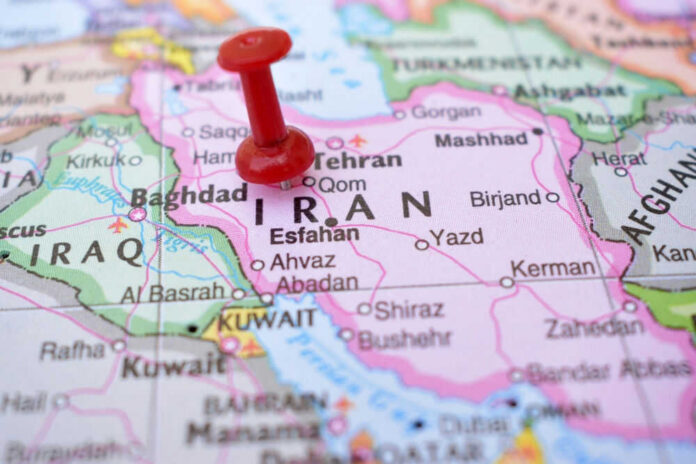
Iran’s Islamic Revolutionary Guard Corps issued evacuation warnings and publicly identified Gulf energy infrastructure as potential targets after an Israeli strike on Iran’s South Pars gas processing plant in Bushehr province.
The named sites included Saudi Arabia’s Samref refinery and the Jubail Petrochemical Complex, the UAE’s Al Hosn gas field, and multiple Qatari facilities tied to Mesaieed and Ras Laffan. The specificity matters: targeting industrial hubs threatens production, worker safety, and shipping confidence.
Market reaction was immediate. Brent crude surged more than 6% in a single move and traded near $110 a barrel as traders priced in a wider energy war. That jump sits on top of an already steep rise since late February, when the broader U.S.-Israel conflict with Iran began.
Because these facilities sit at the heart of Gulf export capacity, even “warnings” can disrupt operations through evacuations, insurance costs, and reduced tanker availability.
From Military Strikes to Energy Infrastructure, the Conflict Expands
The current escalation follows a shift in targeting. Reports indicated earlier U.S. strikes were limited to military targets around Iran’s Kharg Island oil export hub, but the subsequent strike on South Pars marked a step into upstream energy infrastructure.
South Pars—paired with Qatar’s North Dome—forms the world’s largest gas field, so damage there reverberates well beyond Iran. When energy assets become battlefield objectives, price volatility becomes a feature, not a bug.
Bloomberg reports that multiple oil and gas facilities in Saudi Arabia, Qatar, and the United Arab Emirates have been evacuated so far today, following Israel’s strikes this morning against several energy sites in Southern Iran and threats made by Iran’s Islamic Revolutionary… pic.twitter.com/LiI68Bs8FB
— OSINTdefender (@sentdefender) March 18, 2026
The Strait of Hormuz has become the strategic pressure point. With traffic reportedly disrupted and the chokepoint effectively constrained, the risk is not only lost barrels today but the market’s fear of sustained interruption.
Gulf energy exports power large portions of global oil and LNG trade, meaning shockwaves travel quickly into diesel, jet fuel, and consumer gasoline. For Americans, that translates into the exact pocketbook pain voters rejected in the inflationary years of fiscal mismanagement.
Gulf States Move to Contain Risk as Evacuations Spread
Regional governments treated the threats as more than rhetoric. Qatar reportedly moved to evacuate Ras Laffan, and Gulf foreign ministers convened for urgent talks in Riyadh as defenses were raised against missiles and drones.
This is the uncomfortable reality of modern warfare in the region: even without confirmed strikes on the named facilities, the cost of readiness is real. Every evacuation, shutdown, or delay creates friction that tightens supply and elevates prices.
The dispute also exposes complicated alliances. Qatar condemned the strike on South Pars as dangerous and warned about broad environmental and global security consequences, reflecting the shared nature of the gas field and the blowback risk.
Saudi Arabia and the UAE, longstanding targets of Iranian pressure, face the challenge of protecting critical sites while maintaining export continuity. The reporting also noted public messaging from UAE-linked officials about resilience and opposition to destabilizing behavior.
Trump’s Market-Stabilization Moves Highlight the Costs of Weak Deterrence
President Trump responded with measures aimed at preventing energy chaos from spreading into U.S. domestic hardship. Reporting indicated the administration waived a shipping mandate to ease logistical strain and pushed allies to do more to secure Hormuz, signaling a burden-sharing approach rather than open-ended American underwriting.
The administration also moved through market-stabilization channels, including steps tied to petroleum reserves, as prices climbed and volatility intensified.
Oil prices top $107 after Iran threatens oil facilities in Saudi Arabia, UAE and Qatar https://t.co/xMt1hNbazm
— Pradheep J. Shanker, M.D. (@neoavatara) March 18, 2026
Two facts remain critical for readers tracking this story. First, no confirmed IRGC strike on the named Gulf facilities had been reported at the time of the warnings, so the immediate damage is largely risk-driven rather than impact-driven.
Second, risk-driven spikes still hit working families because fuel is a foundational input for food delivery, commuting, and home budgets. Limited government cannot insulate consumers from global shocks, but credible deterrence and secure sea lanes can reduce their frequency.
Sources:
Iran continues strikes on gulf states day after US threatens oil facilities
Iran threatens energy assets in Saudi Arabia, Qatar and the …