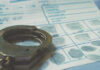
Olympic glory is supposed to last a lifetime—but at Milan-Cortina, some medals are literally coming apart in athletes’ hands.
See the video further down.
Quick Take
- Multiple athletes at the 2026 Winter Olympics reported medals breaking or detaching from their ribbons during celebrations.
- The Milan-Cortina organizing committee says the defect involves only “a small number of medals,” and an investigation is underway.
- Incidents have been reported across several sports, including downhill skiing, figure skating, biathlon, and cross-country.
- Athletes have adjusted their behavior in real time—avoiding jumping, storing medals carefully, and calling for a backup plan.
Medal Defects Overshadow Early Olympic Moments
Organizers of the 2026 Winter Olympics in Milan-Cortina, Italy, are investigating reports that some medals are breaking or separating from their ribbons during post-event celebrations.
The issue surfaced in the opening days of competition, with athletes sharing videos and comments, making it hard to ignore. Reporting describes failures largely tied to the medal-and-ribbon attachment rather than the face of the medal itself.
2026 Winter Olympics committee looking into medals breaking and "taking the issue seriously" https://t.co/tpqtBSq1hU
— CBS Mornings (@CBSMornings) February 9, 2026
Several of the documented cases involve Team USA athletes, which has increased the controversy’s visibility in American media. Downhill skier Breezy Johnson, for example, reportedly broke her medal while celebrating and later warned others not to jump while wearing theirs.
Figure skater Alysa Liu said her ribbon detached, while other figure skaters said they were taking extra precautions to avoid a similar result.
What the Organizing Committee Has Said So Far
The organizing committee has acknowledged the complaints and said it is taking them seriously while looking into the cause. Public statements characterize the problem as affecting only a small number of medals, a phrasing that signals officials are trying to prevent a broader credibility crisis.
As of this week, published reporting does not include a confirmed root cause, a timeline for conclusions, or a detailed repair or replacement policy.
That absence of specifics leaves key questions unanswered: whether the defect stems from a single batch, a particular attachment design, or a handling or durability issue that should have been caught before medals were distributed.
Media coverage also has not included on-the-record explanations from the manufacturer or independent quality-control experts. Until those details emerge, the public is left with a visible failure and limited transparency about what went wrong.
Athletes’ Reactions Reveal the Real Cost of “Small” Failures
Olympic medals carry enormous personal and national meaning, so even a “small number” of defects can land like a major scandal. Athletes described the failures happening at the worst possible time—right as they were celebrating, posing for photos, or moving through snow and crowded venues.
Germany’s Justus Strelow reportedly had a medal break and fall to the ground, and Sweden’s Ebba Andersson reportedly saw hers break in two in the snow.
Some athletes have tried to keep perspective, but their comments also underline an expectation that Olympic organizers must get the basics right. One athlete’s social post joked that the medal didn’t need the ribbon, while others have said they are storing medals carefully to prevent damage.
Andersson’s remark about hoping organizers have a “Plan B” reflects the obvious: the committee must be able to fix this quickly without diminishing the athletes’ moment or the Games’ reputation.
Why This Matters Beyond Sports: Trust, Competence, and Accountability
Americans watching from home are used to hearing elite institutions promise competence, then deliver excuses and “investigations.” This story is not about partisan politics, but it does highlight a larger issue conservatives regularly point to: public-facing institutions often struggle with basic execution while demanding public trust.
The Olympics sell excellence, tradition, and credibility; when medals fail, the brand promise collapses into something that looks like bureaucracy managing embarrassment.
The available reporting still leaves real limits on what can be concluded. No source cited has identified the technical failure mode, confirmed how many medals are affected, or explained whether winners will automatically receive replacements.
If the committee wants to restore confidence, the next steps are straightforward: disclose the scope, explain the fix, and make athletes whole—fast. Until then, every podium moment risks being paired with a new question: will it hold together?
Sources:
2026 Winter Olympics committee looking into medals breaking and “taking the issue seriously”
Winter Olympics committee investigating why medals are breaking
Winter Olympics committee says looking into why medals are breaking
2026 Winter Olympics: Medals breaking prompts investigation