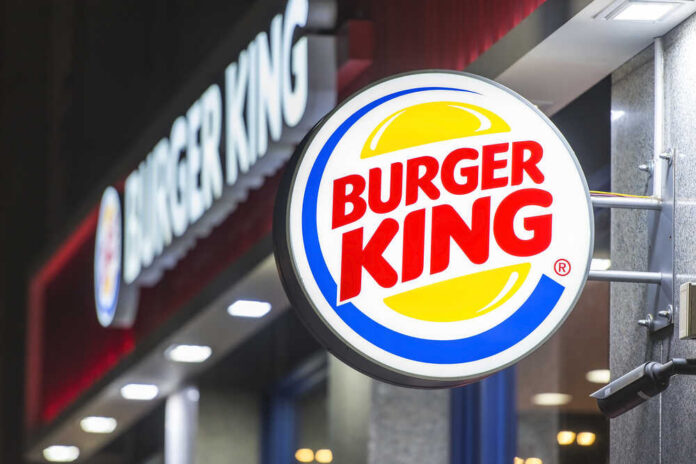
Burger King just “fixed” the Whopper after years of complaints—by changing the bun, the mayo, and even the box—without touching the flame-grilled heart of the sandwich.
Quick Take
- Burger King rolled out its first major Whopper update in nearly a decade on Feb. 26, 2026.
- The changes focus on a premium bun, upgraded mayonnaise, and a clamshell box designed to prevent “squished” burgers.
- Company leadership says the updates came directly from customer feedback, including calls and texts to Burger King’s U.S. president.
- Franchise operators are expected to absorb added costs—about $4,000 a year per location—while being advised not to raise prices.
A rare fast-food overhaul focused on execution, not reinvention
Burger King announced that it is updating the Whopper nationwide, marking the first significant change to the signature burger in roughly a decade.
The company is not swapping out the familiar flame-grilled patty or the classic toppings; instead, it is upgrading the supporting cast: a new premium bun, a reformulated mayonnaise, and new clamshell packaging.
The stated goal is simple—deliver a better Whopper experience without turning it into something unrecognizable.
This kind of change matters because it targets the everyday frustrations customers actually feel, especially takeout and delivery problems that have become normal during the last several years. Burger King’s leadership has pointed to recurring complaints about burgers arriving crushed and messy.
For a legacy brand trying to compete in a crowded, price-sensitive market, improving the basics—structure, texture, and consistency—can be a safer bet than chasing gimmicks that disappear as quickly as the marketing budget.
What exactly changed: bun, mayo, and the “anti-squish” box
The update is built around three practical tweaks. First is a thicker, more premium bun intended to hold up better under heat and moisture. Second is upgraded mayonnaise that early reviews describe as creamier while keeping the core flavor profile intact.
Third is a clamshell-style box that replaces traditional paper wrapping, designed to protect the sandwich during transport. Together, those adjustments target a specific quality issue: a Whopper that looks and eats like it was assembled with care, not compressed on the ride home.
Burger King, home of the Whopper, is making the first changes to its best-selling menu item in nearly 10 years after consumers complained. https://t.co/zv03FZTiAy
— WKTV (@WKTV) February 27, 2026
Early testing and first-day purchases reported by reviewers suggested the “new” Whopper still tastes like a Whopper, but holds together better and feels less soggy.
Pricing remains inconsistent by market—some examples show totals similar to or even slightly lower than a prior purchase, while other areas still price the Whopper as a premium fast-food item.
Burger King has framed the move as an elevation of an icon, not a reinvention, and executives have hinted that additional menu updates could follow.
Customer feedback drove the change—down to direct calls and texts
Burger King’s U.S. and Canada president, Tom Curtis, has tied the makeover directly to customer feedback gathered over time, including a campaign that let customers contact him.
That detail stands out in an era when many corporations hide behind “stakeholder” language and top-down messaging.
Here, the company is saying the market spoke plainly: people like the Whopper’s identity, but they don’t like paying for a burger that arrives flattened. The clamshell box, in particular, signals that the company heard the delivery-era complaint.
From an accountability standpoint, the logic is straightforward. Customers did not demand a “woke” rebrand, a political lecture, or a novelty recipe designed for social media clicks.
They wanted the product they already buy to be executed well—hot, intact, and consistent. Burger King’s approach reflects a broader “premiumization” trend in fast food, where chains try to justify consumer spending by improving quality cues without forcing dramatic changes. That strategy also avoids provoking backlash from loyal customers who dislike needless tinkering.
The franchisee angle: higher operating costs with limited pricing flexibility
The rollout is not cost-free. Franchisees—who operate many Burger King locations—are expected to incur additional expenses of about $4,000 per store annually for the new components.
At the same time, corporate messaging has indicated operators are not being encouraged to raise prices. That tension is familiar to anyone watching post-inflation consumer behavior: customers are more selective, yet operators face higher input costs. The business question is whether better execution boosts traffic enough to offset those increases.
Burger King makes changes to signature Whopper for first time in nearly a decade https://t.co/jLgGfYeF7z
— FOX Business (@FoxBusiness) February 28, 2026
For consumers, the near-term impact is clearer than the long-term math. A sturdier bun, upgraded mayo, and packaging that protects the sandwich should produce a more reliable meal—especially for drive-thru families and takeout customers who don’t want dinner ruined by a smashed burger.
For Burger King, the bet is that improving a flagship item reinforces brand trust at a time when Americans are tired of paying more and getting less. The company’s own messaging suggests the Whopper remains the same classic—just delivered with more discipline.
Sources:
Why Burger King is changing the Whopper recipe as fast food shifts toward “premiumization”
Review: Burger King’s updated Whopper is a clear upgrade
Burger King makes changes to signature Whopper for first time in nearly a decade
Burger King Elevates Its Most Iconic Product, The Whopper®
Burger King Elevates Its Most Iconic Product, The Whopper®