America faces $100 oil and 1970s-style energy shortages as Iran’s threats halt tanker traffic through the Strait of Hormuz, threatening President Trump’s economic recovery.
Story Snapshot
- Brent crude surges 10% to $80/barrel after U.S.-Israel strikes prompt IRGC warnings and shipping halts.
- Hundreds of tankers anchor; Maersk suspends crossings, effectively stopping 20% of global oil flow.
- Analysts warn that a prolonged closure could spike prices to $100+, echoing the painful 1970s gas lines under weak leadership.
- President Trump’s firm stance against Iran protects U.S. interests, unlike past administrations’ hesitancy.
Tanker Traffic Grinds to Halt
U.S.-Israel airstrikes on Iran began early Saturday, triggering IRGC warnings against ships in the Strait of Hormuz. Tanker owners immediately suspended shipments. Hundreds of tankers anchored as Greece advised avoidance of the Persian Gulf and Hormuz.
Maersk halted crossings due to safety risks and surging insurance costs. At least two ships suffered strikes amid the chaos. This chokepoint carries 20% of global oil, or 18-21 million barrels daily, exposing vulnerabilities long ignored by globalist policies.
$100 oil? Prolonged Hormuz closure could spark a 1970s-style energy shock https://t.co/3HrDyzTcVj
— CNBC (@CNBC) March 1, 2026
Oil Prices Spike Amid Escalation Risks
Brent crude jumped 10% to $80 per barrel by Sunday, up from a 7-month high of $73 days earlier. Trading executives predict ships will remain sidelined for days. Iran’s Foreign Minister denied current plans to close the strait, but IRGC statements banned passage. No mines deployed yet, yet precautionary halts created an effective blockade.
President Trump’s decisive actions curb Iran’s nuclear and export ambitions, safeguarding American energy independence against foreign aggressors.
Historical Precedents and Strategic Stakes
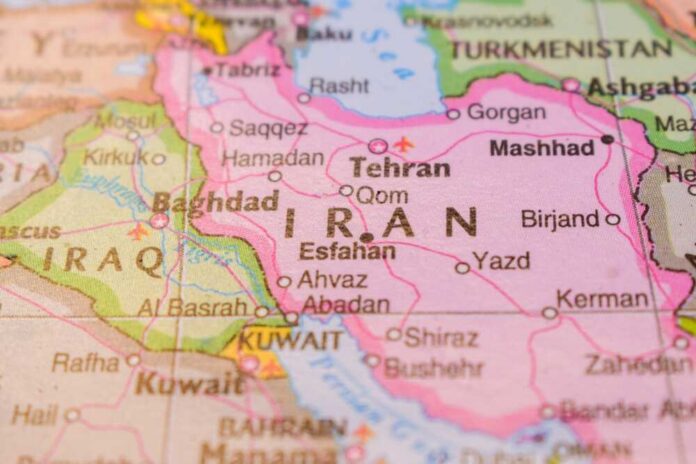
The 21-mile-wide Strait of Hormuz has faced threats since Iran’s 1979 Revolution, reminiscent of 1980s Tanker War disruptions. Past incidents include 2019 attacks and 2022 Ukraine war spikes to $130/barrel on smaller supply risks.
Iran exports 4.7 million barrels per day mostly to China via shadow fleets, evading U.S. sanctions. U.S. and Israel target these capabilities. Shipping firms prioritize safety; OPEC+ plans minor April hikes, but Saudi spare capacity offers limited relief. Trump’s maximum pressure restores deterrence.
Power dynamics pit Iran’s asymmetric control against U.S. naval superiority. China faces import losses, bidding up prices. Gulf exporters like Saudi Arabia and UAE see flows throttled. This underscores the need for domestic production over reliance on hostile regimes.
Potential Impacts on American Families
Short-term, gasoline exceeds $3/gallon in the U.S., with freight and insurance surges hitting consumers. Prolonged closure risks $100-130/barrel, dwarfing Ukraine shocks due to 18 million barrels/day at stake.
Limited bypasses like Saudi pipelines handle fractions of flows. CSIS scenarios predict $90+ oil for weeks of Hormuz disruption, or historic spikes if Gulf facilities hit. Families recall 1970s inflation under Carter; Trump’s energy policies aim to prevent repeats through strength.
Sources:
CSIS analysis on oil disruption scenarios from Hormuz closure and strikes.