
Iran deliberately choked off the world’s most critical oil artery while negotiating with the United States, exposing how Tehran weaponizes global energy security to extort concessions and threaten American interests.
Story Snapshot
- Iran’s Islamic Revolutionary Guard Corps announced a partial closure of the Strait of Hormuz on February 17, 2026, conducting live-fire missile drills during indirect U.S. nuclear talks in Geneva
- The Strait handles 20% of global oil shipments, making this unprecedented closure since the 1980s Iran-Iraq War a direct threat to worldwide energy markets and American economic interests
- The timing reveals Iran’s calculated brinkmanship strategy, flexing military muscle precisely when diplomats discussed curbing Tehran’s near-weapons-grade uranium enrichment
- President Trump’s administration faces Iranian defiance despite deploying carrier strike groups, highlighting the regime’s willingness to risk global conflict over its nuclear ambitions
Tehran’s Provocative Power Play During Diplomacy
Iran’s Islamic Revolutionary Guard Corps conducted live-fire naval exercises in the Strait of Hormuz on February 17, 2026, coinciding exactly with indirect nuclear negotiations between Iranian Foreign Minister Abbas Araghchi and U.S. representatives in Geneva. The regime announced a temporary partial closure lasting several hours, firing missiles and deploying advanced drones at targets within the narrow waterway.
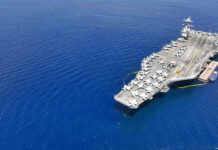
This marked the first announced closure since President Trump deployed USS Abraham Lincoln and Ford carrier groups to the region in January following Iran’s brutal crackdown that killed approximately 7,015 protesters, according to activist reports.
Iran partially closed the strategically vital Strait of Hormuz on Tuesday, state media reported, citing “security precautions” as Tehran’s Revolutionary Guards conduct military drills in the waterway. https://t.co/0Wbx7GQzce pic.twitter.com/HudTsdibth
— CNBC (@CNBC) February 17, 2026
Stranglehold on Global Energy Supply
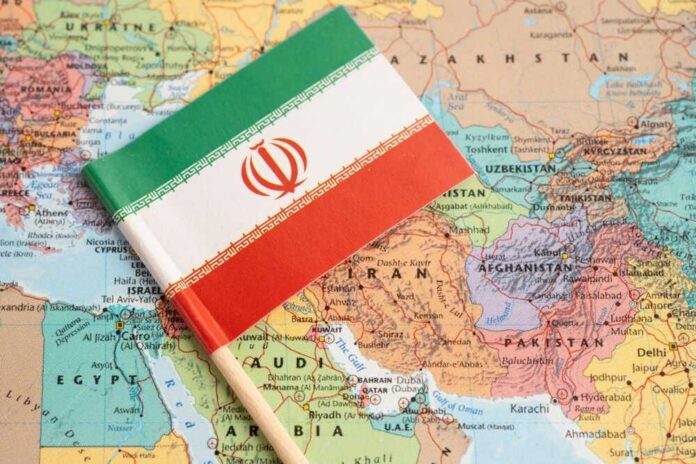
The Strait of Hormuz between Iran and Oman represents an irreplaceable chokepoint for global commerce, facilitating passage of roughly 20% of the world’s oil supply destined primarily for Asian and European markets. Iran’s willingness to disrupt this vital artery demonstrates the regime’s calculated strategy to leverage geography against Western interests, particularly as energy prices remain vulnerable to supply shocks.
This threatens American consumers already burdened by inflation from previous administrations’ fiscal mismanagement. The Trump administration’s economic recovery efforts face direct sabotage from a regime that views energy infrastructure as a weapon rather than respecting free market principles and international commerce norms.
Escalation Amid Nuclear Brinkmanship
The military exercises followed months of deteriorating relations since June 2025, when U.S. forces bombed Iranian nuclear facilities and destroyed centrifuges following an Israel-Iran conflict. Iran subsequently enriched uranium to 60% purity, approaching weapons-grade levels that directly threaten regional stability and American allies.
Supreme Leader Ayatollah Ali Khamenei warned that U.S. warships remain vulnerable, while President Trump stated Iran understands the consequences of refusing diplomatic resolution.
Security analyst Danny Citrinowicz from Israel’s Institute for National Security Studies confirmed this closure represents an unprecedented escalation since the 1980s, sending a clear message that strikes against Iranian facilities would trigger global economic disruption.
Diplomatic Theater With Dangerous Stakes
Following approximately three hours of Geneva discussions, Foreign Minister Araghchi announced negotiators reached understanding on “guiding principles” but acknowledged no imminent agreement exists. Oman’s Foreign Minister Badr Albusaidi reported progress, yet Iran’s simultaneous military demonstration reveals the regime’s dual-track approach of feigning diplomatic engagement while advancing military threats.
This mirrors Iran’s historical pattern of negotiating in bad faith, exploiting Western desire for peaceful resolution while building nuclear capabilities and regional military infrastructure. The talks focused solely on nuclear issues, deliberately excluding discussion of Tehran’s savage suppression of domestic protesters, which originally prompted renewed American pressure.
Constitutional and Strategic Implications
Iran’s brazen actions underscore the necessity of President Trump’s America First approach prioritizing military readiness and energy independence over globalist diplomatic frameworks that empower hostile regimes.
The Biden administration’s weakness encouraged Iranian aggression through appeasing negotiations and reduced pressure, allowing Tehran to rebuild nuclear infrastructure and embolden proxy forces across the Middle East. Protecting American interests requires maintaining credible military deterrence while pursuing domestic energy production that reduces vulnerability to foreign manipulation of global oil supplies.
Iran’s willingness to threaten worldwide economic stability demonstrates why constitutional conservatives recognize that peace derives from strength, not from endless negotiations with regimes that view diplomacy as cover for advancing dangerous ambitions threatening American security and prosperity.
Sources:
Iran Temporarily Closed Strait of Hormuz as It Held Latest Round of Indirect Talks with U.S.
Iran Partially Closes Strait of Hormuz Amid Nuclear Talks with US
Iran Says It Temporarily Closed Strait of Hormuz as It Held More Indirect Talks with US
Iran Temporarily Closing Strait of Hormuz for Live Fire Drills as Nuclear Talks with US