Chuck Negron, the powerhouse voice behind Three Dog Night’s biggest hits who battled addiction and found redemption through faith, has died at 83, reminding us that even in an industry consumed by excess, personal resilience and God-given talent can leave an enduring legacy.
Story Highlights
- Chuck Negron died February 2, 2026, from heart failure and COPD at his Studio City home, surrounded by family
- His powerful vocals drove seven gold singles for Three Dog Night, including “Joy to the World,” as part of a band that sold 60 million records
- After heroin addiction led to homelessness in 1985, Negron achieved sobriety in 1991 through faith and rebuilt his life with a solo career
- Bandmate Danny Hutton shared an emotional reunion that occurred five months before Negron’s death, healing decades-old wounds
Voice of an Era Silenced
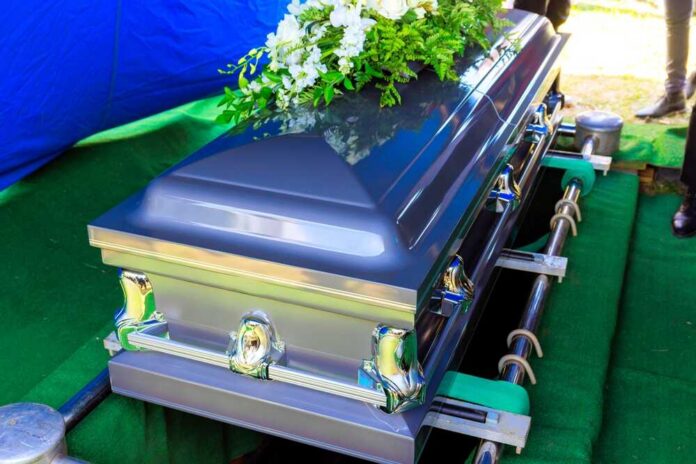
Chuck Negron passed away on February 2, 2026, at age 83 in his Studio City, California, home, with family by his side. The founding lead vocalist of Three Dog Night succumbed to complications from heart failure and chronic obstructive pulmonary disease, conditions worsened by decades of health struggles.
His publicist confirmed the death on February 3, prompting tributes from rock media and fans worldwide. Born in the Bronx on June 8, 1942, Negron’s gritty, soaring vocals defined an era when rock music celebrated raw talent and authenticity, values increasingly absent in today’s manufactured entertainment landscape.
Chuck Negron, lead singer on ‘Joy to the World’ and other Three Dog Night hits, dies at 83 https://t.co/yEltgnjQ5M
— The Denver Gazette (@DenverGazette) February 3, 2026
Building a Rock Legacy Through Unique Collaboration
Danny Hutton recruited Negron in 1967 to form Three Dog Night alongside Cory Wells, creating a distinctive three-lead-singer format that dominated 1969-1975 with 21 Top 40 hits. The band’s catalog includes “Mama Told Me Not to Come,” “Joy to the World,” “One,” “Black and White,” and “The Show Must Go On,” collectively selling 60 million records despite not writing their own material.
Negron’s voice carried seven gold singles, showcasing an ability to interpret songs with emotional depth and power. This collaborative approach emphasized individual excellence working toward a common goal—a principle that built America’s greatest achievements but seems lost on today’s collectivist culture.
Addiction’s Devastating Toll
Negron developed a heroin addiction during the early 1970s amid the band’s peak success, reflecting the rock excess era’s destructive side. A 1975 NME report documented his cocaine arrest as substance abuse escalated, culminating in the band’s 1976 disbandment. Band managers fired Negron in 1985 due to his addiction, leaving him homeless and desperate.
He endured over 30 rehabilitation attempts before achieving sobriety in September 1991, a journey he attributed to faith and personal determination. His 1999 autobiography, “Three Dog Nightmare,” revised in 2008 and 2018, chronicled this battle with unflinching honesty—demonstrating accountability and redemption that government programs rarely achieve.
Redemption and Final Reconciliation
After achieving sobriety, Negron launched a solo career, releasing seven albums, including “Negron Generations” in 2017, proving that personal transformation is possible through individual effort and spiritual commitment. COVID-19 halted his touring as COPD made him vulnerable, forcing him into the final chapter of health decline.
Five months before his death, his wife, Ami, contacted Danny Hutton about Chuck’s illness, leading to a reunion Hutton described on Facebook as “beautiful and deeply meaningful,” involving hugs, tears, and shared stories after years of estrangement. Hutton stated, “We rarely spoke… I will always be grateful for the music we made together,” honoring a legacy that transcended personal conflicts.
Negron’s death leaves Danny Hutton as the sole surviving founding member actively touring with Three Dog Night, following Cory Wells’ 2015 passing. His story underscores that talent, when grounded in faith and personal responsibility, can overcome even the darkest valleys—a lesson worth remembering in an age where victimhood culture encourages blame over accountability.
Rock fans and family members now celebrate a voice that brought joy to millions while acknowledging the human struggle behind the music, ensuring Chuck Negron’s contributions to American rock history endure for generations seeking authenticity and resilience.
Sources:
Three Dog Night Singer Chuck Negron Dead at 83