Colombian Navy forces intercepted a speedboat crew that dumped 115 kilograms of cocaine worth $5.6 million into the Pacific Ocean while fleeing capture, in yet another reminder of how Colombia’s narco-traffickers continue to operate with impunity despite escalating U.S. pressure and diplomatic tensions.
Story Highlights
- The Colombian Navy recovered 116 packages containing 115.7 kilograms of cocaine from Pacific waters after the speedboat crew fled and jettisoned the cargo
- Seizure worth $5.6 million represents 289,000 doses, announced the same day as the strained Trump-Petro White House meeting
- Trafficking crew escaped without arrest, highlighting ongoing challenges despite Colombia’s recent multi-ton cocaine busts
- Operation occurred amid U.S. military strikes killing over 100 traffickers since September and Treasury sanctions on President Petro
Pacific Interdiction Operation Nets Abandoned Drug Load
Colombian Navy authorities conducted an interdiction operation approximately 55 nautical miles off the Pacific coast, targeting a “go-fast” speedboat commonly used by transnational criminal organizations.
As naval forces approached the vessel, the crew detected their presence and decided to abandon their $5.6 million cargo rather than face capture.
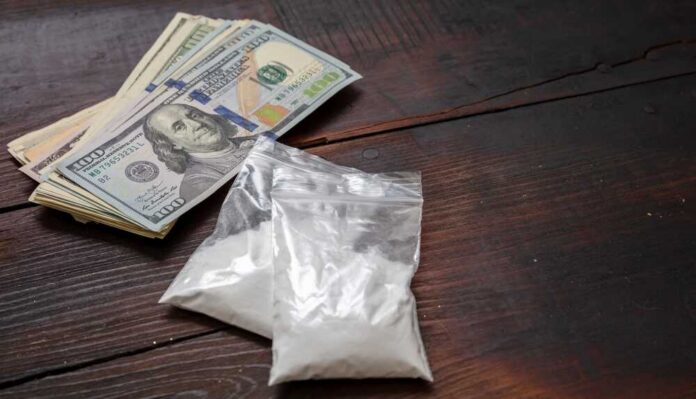
Officers recovered 116 rectangular packages from the ocean containing 115.7 kilograms of cocaine, preventing an estimated 289,000 doses from reaching streets across North America, Europe, or Australia, where Colombian cartels increasingly ship their product.
Boat crew tosses 115 kilos of cocaine in Pacific while fleeing navy, Colombia says
https://t.co/93CmgustjT— CBS News (@CBSNews) February 3, 2026
Diplomatic Timing Underscores U.S.-Colombia Drug War Tensions
The Navy announced the seizure on the same day Colombian President Gustavo Petro met with President Trump at the White House, amid severe diplomatic strain.
Trump’s administration previously labeled Petro an “illegal drug leader” and imposed Treasury sanctions on him and his family through Secretary Scott Bessent.
Colombia was removed from the U.S. list of drug war allies, a stunning reversal for a nation that has cooperated with American counter-narcotics efforts for decades.
This timing appears calculated to demonstrate Colombian resolve amid criticisms that the Petro government has failed to control cocaine production in a country that remains the world’s largest producer.
Escalating Military Action Replaces Traditional Cooperation
Since September, the U.S. military has launched direct strikes against suspected drug trafficking vessels in the Pacific and Caribbean, killing over 100 people in operations that bypass traditional Colombian sovereignty and cooperative frameworks.
This represents a dramatic shift from past strategies emphasizing joint operations and capacity building. Colombia has responded with intensified interdiction efforts, including 14 tons seized at Buenaventura port in November, over 7 tons from speedboats and a narco-submarine, and 2 tons from a merchant vessel north of Santa Marta on January 26, 2026. The Navy also raided 34 coca processing laboratories between September and October, targeting the supply chain at its source.
Escaped Crew Highlights Operational Challenges
Unlike many recent busts that led to arrests, the speedboat crew successfully evaded capture after dumping their cargo, highlighting persistent challenges in Colombia’s interdiction capabilities.
Pacific coast regions, including Nariño, Buenaventura, and Tumaco, serve as primary departure points for trafficking operations due to their proximity to coca-growing areas and limited surveillance infrastructure.
These “go-fast” boats, equipped with high-capacity fuel tanks and powerful engines, can outrun many naval vessels when crews jettison weight by discarding drugs.
This 115.7-kilogram seizure pales compared to Colombia’s recent multi-ton busts, yet the escape underscores how traffickers adapt tactics to minimize losses while preserving operational capacity and personnel for future runs.
Production Surge Drives Cartel Route Diversification
Colombia’s cocaine production has spiked due to political instability and economic factors that incentivize cultivation, leading to falling prices and expanded trafficking routes beyond traditional North American markets.
Cartels increasingly target European and Australian destinations where prices remain higher, using merchant vessels with hidden compartments, sea chests, and semisubmersibles to evade detection.
Recent seizures demonstrate this diversification: authorities found more than 200 kilograms in a ship’s sea chest at Buenaventura and 450 pounds hidden beneath a Europe-bound vessel.
U.S. military strikes may be shifting routes rather than reducing production, a pattern reminiscent of the “balloon effect” where enforcement pressure in one area simply displaces trafficking to another without addressing root causes or demand drivers.
Sources:
Boat crew tosses 115 kilos of cocaine in Pacific while fleeing navy, Colombia says – CBS News
Cocaine seized from speedboat in Pacific Ocean – CBS News
Colombian Navy seizes two tons of cocaine worth $200 million from merchant vessel – Newsflare
Colombian Navy Seizes 200 Kilos of Cocaine from a Ship’s Sea Chest – Maritime Executive
Colombian Navy Seizes 450 Pounds Of Cocaine Hidden Beneath Europe-Bound Ship – Marine Insight