

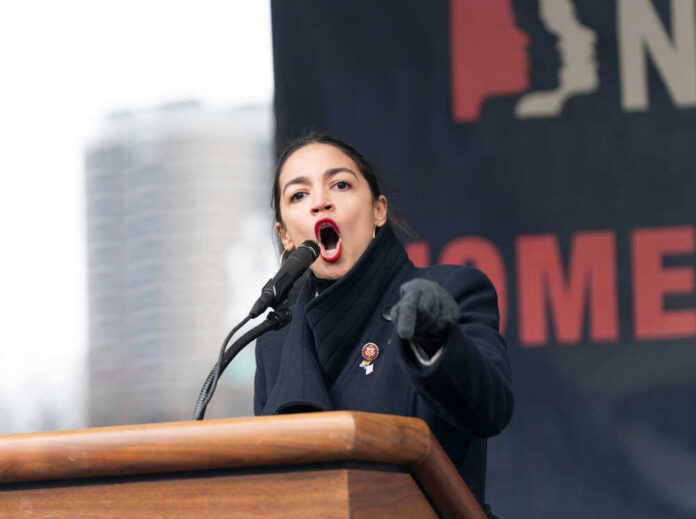
Representative Alexandria Ocasio-Cortez refused to back Chuck Schumer for Senate leader, and the dam of quiet doubts finally cracked.
Story Snapshot
- Multiple Democrats withheld public support for Schumer or called for new leadership.
- Chris Van Hollen urged colleagues to delay commitments until Schumer outlined a vision.
- Elissa Slotkin tied her vote to a concrete first-100-days plan.
- Schumer’s allies say he already locked the votes and delivered a sweeping win.
A public crack in a private vote
Representative Alexandria Ocasio-Cortez’s refusal to endorse Senate leader Chuck Schumer gave a public face to an internal push that was already building. Several Democratic senators and senators-elect had signaled discomfort with automatically renewing Schumer’s leadership. Senator Chris Van Hollen told colleagues to hold their fire until Schumer laid out a governing vision, and he kept himself in “listening mode” about a bid. Senator Elissa Slotkin warned she would not vote for any leader without a clear plan for the first 100 days.
AOC DECLINES BACKING SCHUMER: Rep. Alexandria Ocasio-Cortez, who has left open a possible 2028 challenge for Senate Minority Leader Chuck Schumer's New York seat, declined to endorse his bid to lead the incoming Democrat Senate majority.
Asked by reporters outside the Capitol… pic.twitter.com/bVNyUInUUG
— NEWSMAX (@NEWSMAX) November 10, 2026
The dissenters did not come from one wing or a single state. Reporting named incoming Democrats Troy Jackson, Annie Andrews, and Peggy Flanagan as voices for change, while others echoed the call for a roadmap before pledges. The election will be by secret ballot, which means public silence does not equal private support. Members can nod in hallways and still vote no in the room that counts. That setup favors last-minute swings and private leverage.
What critics want, in plain English
The critics’ demand is simple: show the plan. They want a first-100-days agenda, clear committee priorities, and a timeline for votes that hit pocketbook issues fast. Slotkin linked her support to that test, and Van Hollen’s stance amplified it into a caucus-wide pause. This is not just about age or personality. It is about whether the majority will move bills, cut deals where needed, and force sharp contrasts where not. Voters notice motion; they punish drift.
Some skeptics campaigned on refreshing Senate leadership and now face a promise-keeping moment. They argue that the party won on energy and candidates, not on automatic loyalty to old structures. That case has gaps. No formal challenger had launched, and some critics stopped short of a hard no on Schumer. Without a named alternative and a whip count, frustration can evaporate when the ballots come out.
Schumer’s strength: victory and receipts
Schumer’s team points to a blunt scoreboard. They say his recruiting, fundraising, and strategy powered a $550 million push that flipped seats and produced the largest Democratic Senate majority since Barack Obama’s first term. Senator Chris Coons praised Schumer’s mix of recruiting and messaging. The Democratic Senatorial Campaign Committee highlighted a map expanded into tough states, with targeted spending that paid off. Allies claim he has already locked the votes to remain leader in the closed-door election.
Schumer himself framed the moment as duty, not identity. He said the issue is delivering what voters asked for, not his title, and pledged a focus on costs, chaos, and corruption — themes designed to signal action on prices and basic order. That argument lands with many practical Democrats: you do not bench the coach who just won the pennant. The pitch is clear common sense — reward results, then demand faster results in governing.
The math, the mood, and the test ahead
Leadership elections in the Senate are quiet knife fights. Secret ballots protect independence but also reward organization. If a challenger does not exist on paper, momentum rarely appears by magic inside the room. The New York Times described Schumer as on track to stay leader, with commitments in hand unless a rival stands up fast. That does not erase the message from AOC and others. It sets a bar. If Schumer publishes a tight 100-day plan and hits it, the doubt fades. If not, the next revolt grows teeth.
For readers who value accountability, the standard here should be simple. Celebrate the win. Then demand urgency. Voters hired this majority to make life easier and safer. That means passing bills that cut costs, fixing broken parts of government, and showing basic competence every week. If Schumer delivers that, he will have earned the job again in deed, not just in vote math. If he stalls, the caucus should have a ready alternative who can move the ball without drama.
Why this fight matters to you
The Senate leader controls the calendar, the floor, and the focus. That power decides which bills get a vote and which promises stay press releases. The skeptics are right to say: show the plan. Schumer’s allies are right to say: wins count. The wise course blends both truths. Keep the proven organizer, but bind him to a public, dated checklist. That is how adults run things. It respects the voters, honors the victory, and leaves no place to hide when the clock starts on day one.
Sources:
townhall.com, nytimes.com, newsweek.com, democrats.senate.gov, nwaonline.com, sandiegouniontribune.com, nbcnews.com