
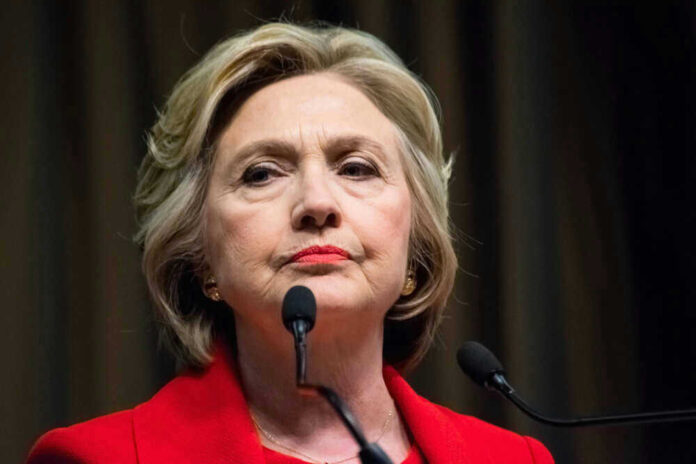
The Department of Justice (DOJ) has dropped a bombshell: the FBI actually botched the Clinton email probe.
Specifically, the bureau overlooked key evidence, raising serious questions about equal justice under the law and political corruption.
At a Glance
- DOJ declassifies a report showing the FBI failed to fully investigate Clinton’s email server.
- Key evidence was reportedly overlooked, including several unexamined thumb drives.
- Senator Grassley leads the charge for accountability, calling it a severe lapse in duty.
- Renewed debates over the FBI’s impartiality and transparency have been ignited.
DOJ Calls Out FBI on Clinton Probe
A newly declassified Department of Justice report has thrown gasoline on the smoldering fire of the Hillary Clinton email investigation. Released in July 2025, the report reveals that the FBI, under then-Director James Comey, failed to investigate all available evidence thoroughly.
This includes several crucial thumb drives that were never examined, potentially containing sensitive data relevant to the case. This revelation raises the specter of political bias and procedural negligence at the highest levels of federal law enforcement.
The report, known as the “Clinton annex,” was a classified appendix from a 2018 DOJ Office of Inspector General review.
Its declassification was the result of persistent efforts by Senate Judiciary Committee Chairman Chuck Grassley and others who demanded transparency and accountability.
The findings have reignited debates over the FBI’s handling of politically sensitive investigations, especially when compared to their approach to the Trump-Russia probe.
The Players and Their Motivations
The key figures in this drama include Hillary Clinton, who maintains her actions were not criminal, and the FBI, accused of both overreach and negligence. The Senate Judiciary Committee, led by Grassley, has been pivotal in pushing for oversight.
Attorney General Pam Bondi oversaw the DOJ’s release of the annex. The power dynamics here are a microcosm of the broader tensions between congressional oversight and federal law enforcement agencies.
Grassley’s statement following the release was scathing. He highlighted the lack of due diligence in investigating Clinton’s email usage and handling of classified information.
Some see the annex’s release as vindication for those who believed the original investigation was mishandled.
Others argue that politicizing law enforcement oversight could undermine the rule of law, but it’s hard to ignore the apparent inconsistencies in the FBI’s approach.
Impact and Implications
In the short term, the declassified report has sparked renewed political debate over the FBI’s impartiality and effectiveness.
Congressional hearings or further investigations may be on the horizon, as calls for accountability grow louder.
In the long term, this could erode public trust in federal law enforcement and prompt reforms to investigative procedures and oversight mechanisms.
The political establishment is already feeling the heat, with intensified partisan divisions and debates over law enforcement accountability.
The situation contributes to public skepticism about government transparency and fairness. While the direct economic impact is minimal, the broader implications for government credibility are significant.
This sets a precedent for transparency and oversight in high-profile federal investigations, possibly prompting other agencies to review and improve their protocols.
Expert Analysis
Legal and political analysts have weighed in, noting that the annex’s findings reinforce longstanding concerns about inconsistent investigative standards at the FBI.
Some argue that failing to review key evidence could have altered the outcome or public perception of the Clinton investigation.
Scholars emphasize the importance of procedural rigor and transparency in maintaining institutional legitimacy.
This annex is a crucial piece of the puzzle for critics of the FBI’s conduct, who cite it as evidence of systemic issues within federal law enforcement.
The debate is likely to continue, as the findings highlight the need for rigorous oversight and the potential consequences of procedural lapses in high-profile federal cases.