

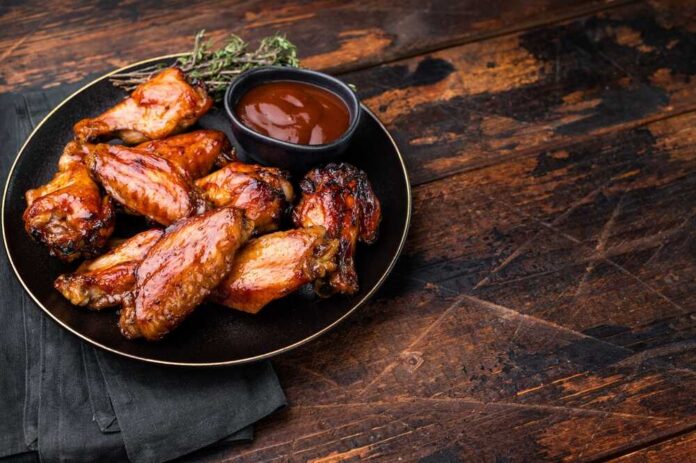
Wingstop and the SOUR PATCH KIDS brand turned Halloween week into a sour-then-sweet dare with a candy-topped wing flavor sold nationwide for a limited time.
Story Snapshot
- Wingstop launched SOUR PATCH KIDS Wicked Punch as a limited-time menu flavor.
- The glaze promised a sour-then-sweet Redberry taste, topped with SOUR PATCH KIDS candy bits.
- Early access began October 23 for Club Wingstop; nationwide rollout followed October 27.
- Major outlets echoed the timing, topping, and flavor profile in coverage.
Wingstop’s Halloween play: a named, candy-first collaboration
Wingstop announced a direct collaboration with the SOUR PATCH KIDS brand called Wicked Punch, not just a flavor nod. The company described a Redberry glaze that hits sour first and then sweet, finished with actual SOUR PATCH KIDS candy pieces, branded as “Bitz”. The flavor appeared as a limited-time offer across wings and other proteins at participating United States locations, orderable through the Wingstop app and website. The move anchored Halloween week with a stunt that still delivered a real retail product, not a one-off pop-up.
Wingstop set a crisp rollout plan. Club Wingstop members, the chain’s loyalty base, received first crack on October 23. The public launch followed on October 27, with availability set while supplies lasted. That cadence reflected a common fast-food playbook: reward the “insiders” first, then light up social media and news hits with broader access. Coverage from FOX Business, People, and Allrecipes repeated the key details and reinforced the core promise: a sour-then-sweet glaze plus a candy topping.
What exactly landed in the box
The official description framed the taste as a sequence: sour up front, sweet on the finish, using a Redberry base tied to the classic candy profile. The topping involved chopped SOUR PATCH KIDS pieces for a clear candy cue in each bite, rather than a vague “candy-inspired” syrup. The company positioned Wicked Punch across its proteins, letting fans choose bone-in wings, boneless, or tenders. The pitch made sense for Halloween week, when playful and bold flavors earn attention without needing a long run.
Shoppers still had to find a participating location, and supply determined how long the item stayed. Reports varied slightly on the end date in summaries, which is common with limited-time offers that hinge on inventory and regional pacing. The company’s statement leaned on “while supplies last,” a standard limiter that gives operators flexibility when demand spikes or traffic shifts by market. A short availability window also maintains urgency, which often boosts trial for novelty flavors.
Why this mash-up works in the market
Co-branded menu items grow reach by merging two familiar signals into a single purchase. Research on co-branding finds that brand fit, scarcity, and social buzz can raise intent to try a product, especially when the tie-in is clear and the clock is ticking. Wicked Punch checked all three boxes. The SOUR PATCH KIDS name set the taste target. The candy bits proved the link. The Halloween timing and limited run nudged fans to act now rather than wait. That is basic, effective retail psychology.
Wingstop is teaming up with a popular candy brand to offer a wild new Halloween treat: Sour Patch Kids Wicked Punch wings. The limited-time flavor features chicken wings coated in a sweet and sour red berry glaze, topped with actual pieces of Sour Patch Kids candy. pic.twitter.com/l7a6kPC7A1
— FOX 5 NY (@fox5ny) October 14, 2026
For conservative readers who value straight talk and personal choice, the frame is simple. A private company made a clear offer, priced it in an open market, and let customers vote with dollars. The marketing claimed a specific taste order—sour then sweet—and used recognizable candy to back it up. Newsrooms reported the dates, the candy topping, and the access plan without contradiction. The rest is up to the eater. Some will love the bold hit. Others will pass and order classic lemon pepper.
The fine print and the path forward
Wingstop’s release did not publish a recipe card, lab data, or fixed topping weights per serving. That is normal for limited-time flavors at major chains. The company also did not promise every location would stock the item; it said participating restaurants, while supplies last. One brief caveat matters for planners: secondary outlets noted slightly different end dates. That likely reflects inventory and local discretion, not a dispute over facts.
The collaboration delivered what it claimed at launch: a named, candy-forward glaze, an official topping, and a set window to try it. If Wingstop wants to extend the idea, two steps would deepen trust and interest. First, publish allergen and ingredient highlights for the glaze and the candy topping in one customer-facing sheet. Second, share a basic sensory readout that shows how most tasters ranked sour versus sweet on first bite. Neither is required, but both would sharpen the next bold flavor drop.
Sources:
foxbusiness.com, ir.wingstop.com, people.com, chron.com, allrecipes.com