
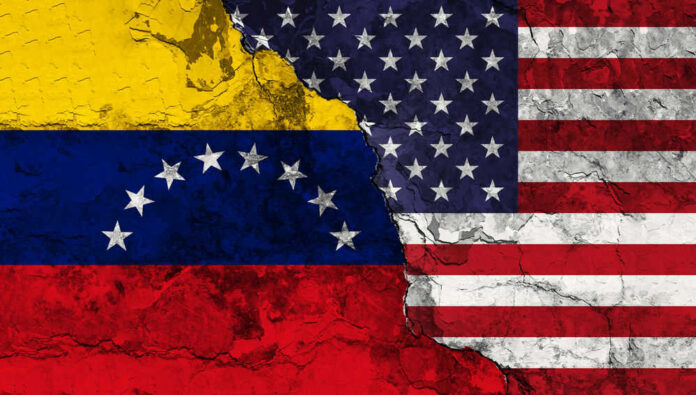
President Trump’s decision to call off a second strike on Venezuela shows strength abroad while exposing how Washington’s war powers bureaucracy still fights his America First agenda at home.
Story Snapshot
- Trump cancels a planned second wave of U.S. attacks on Venezuela after securing prisoner releases and major oil concessions.
- U.S. forces keep a hard perimeter around Venezuela as leverage, even as kinetic strikes pause.
- Venezuela agrees to channel new oil wealth into U.S.-made goods, from food to critical infrastructure equipment.
- Congress pushes a War Powers resolution to rein in Trump, reviving deep concerns about unelected elites tying the president’s hands.
Trump Trades Second Strike for Prisoners and Leverage
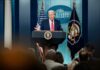
President Trump’s overnight announcement that he cancelled a “previously expected second Wave of Attacks” on Venezuela caps a whirlwind week that began with U.S. forces capturing Nicolás Maduro in a surprise operation.
The White House now frames the decision as a tactical pivot, not a retreat, built on concrete concessions from Caracas. Venezuelan authorities have begun releasing large numbers of political prisoners and opening the doors to sweeping cooperation with U.S. companies in rebuilding the country’s shattered oil and gas sector.
Trump cancels second wave of attacks on Venezuela after cooperation https://t.co/rVprZyY3dt pic.twitter.com/vltRXQuflX
— New York Post (@nypost) January 9, 2026
For conservatives who watched the Biden years of apologies and weakness, the contrast is stark. Instead of endless talk about “dialogue” while socialists crushed dissent, Trump used targeted force to remove a dictator and then immediately tied further military action to measurable steps on human rights and energy.
That is precisely the kind of peace through strength many voters demanded: no nation gets a blank check to traffic drugs north or jail its opposition and still expect business as usual with the United States.
Oil Deals, American Jobs, and a New “Don’t Send Drugs” Doctrine
Trump’s team is now racing to turn military leverage into economic advantage for American workers and consumers. Caracas has agreed that revenue from renewed oil exports will be spent on U.S.-made products, including agricultural goods, medicines, medical devices, and equipment to rebuild Venezuela’s electric grid and energy facilities.
At the same time, Trump is preparing to host top oil executives at the White House to discuss at least $100 billion in planned investment, positioning U.S. firms—not Beijing or Brussels—as the primary partners in Venezuela’s recovery.
This strategy also fits inside a clearer foreign policy rule that many conservatives find refreshingly straightforward: do not send drugs into our country. Trump has repeatedly tied Venezuela’s fate to its role in narcotics flows and corruption. Under this doctrine, rogue regimes that profit from poisoning American communities face decisive consequences.
Yet force is not the end goal. By pausing additional strikes while keeping U.S. naval power in place offshore, Trump signals that cooperation can bring stability, investment, and a path out of socialism, but only on terms that respect American security and sovereignty.
War Powers Fight Pits America First Against D.C. Restraints
Even as Venezuela starts releasing prisoners and talking oil, the Washington establishment is already moving to box in the president. The Senate advanced a War Powers resolution aimed squarely at limiting Trump’s ability to launch future strikes on Venezuela without additional congressional approval.
Some Republicans joined Democrats, citing procedural concerns, but the practical effect is to send a message to hostile regimes that Congress may second-guess the very leverage now forcing Caracas to change course.
For many constitutional conservatives, the debate cuts both ways. The Founders clearly vested Congress with authority to declare war, and executive power should never be a blank check.
Yet modern War Powers maneuvers often appear less about defending the Constitution and more about tying the hands of presidents who actually challenge globalist inertia.
When lawmakers rush to constrain action just as an authoritarian regime starts to fold, it raises hard questions about whether D.C. is more comfortable with endless process than with results that free political prisoners and secure better energy terms for Americans.
Conservative Concerns: Mission Creep, Sovereignty, and the Endgame
Trump’s comment that the United States would temporarily “run” Venezuela while leaving Delcy Rodríguez as interim president has triggered unease even among some on the right. The concern is not sympathy for Maduro’s failed socialism, but the risk of drifting into an open-ended quasi-protectorate.
History shows how quickly limited missions can grow into costly nation-building projects. Skeptical lawmakers warn that diplomats, security teams, and contractors could steadily expand America’s footprint, dragging the country toward another long-term foreign entanglement.
For readers who value national sovereignty and limited government, the key test will be how firmly Trump resists that drift. Using leverage to free political prisoners, crush cartel networks, and secure favorable energy deals aligns with conservative priorities and punishes a hostile regime without sacrificing American lives in large ground wars.
But any move toward running another country’s day-to-day politics from Washington would clash with the same America First principle that rejects globalist experiments, expansive foreign aid schemes, and endless attempts to remake other societies in our image.
Sources:
President Trump says the US will not attack Venezuela again due to cooperation
Venezuela live updates as Trump calls off ‘second wave of attacks’