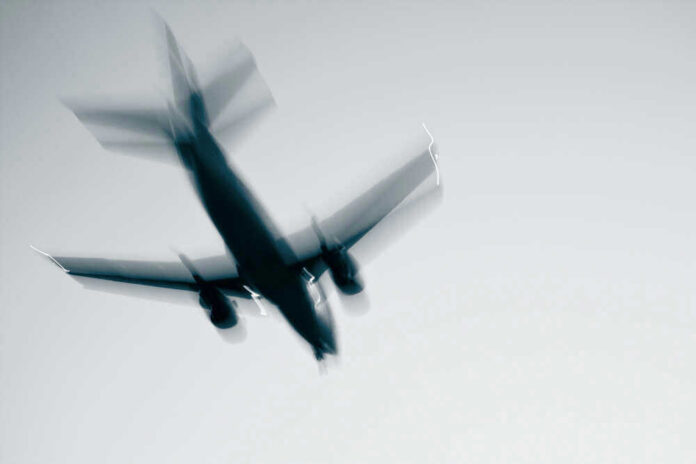
Questions about how a modern airline could let this many passengers get so badly hurt in the skies arose minutes after a Delta Air Lines flight was rocked by extreme turbulence that sent 25 people to the hospital.
At a Glance
- Delta Air Lines Flight 56, Salt Lake City to Amsterdam, diverted after severe turbulence.
- 25 passengers and crew hospitalized, an unusually high number for such incidents.
- Emergency crews met the aircraft immediately on landing in Minneapolis-St. Paul.
- Airlines and regulators face renewed scrutiny over turbulence safety protocols.
Severe Turbulence Forces Emergency Landing and Hospitalizations
Delta Flight 56, an Airbus A330-900 packed with 275 passengers and 13 crew, departed Salt Lake City for Amsterdam. Any sense of calm was shattered mid-flight when the plane encountered what Delta later called “significant turbulence.”
The situation grew so dire that the pilots diverted to Minneapolis-St. Paul International Airport, where the aircraft landed safely.
Emergency responders rushed to the scene, ultimately transporting 25 people to local hospitals. In an era when every minor inconvenience is scrutinized, it’s hard to fathom how a top-tier airline can lose control of a situation so completely, especially with all the technology and supposed safety protocols in place.
Passengers—some likely just trying to get a little shut-eye—were tossed with enough force to cause mass injuries, reminding everyone that even the “friendly skies” aren’t immune to chaos.
The response from authorities was, at least, swift. The Minneapolis-St. Paul Fire Department, paramedics, and the Metropolitan Airports Commission coordinated a rapid triage effort right at the gate.
hile the exact conditions of the hospitalized remain undisclosed, Delta’s PR machine issued statements touting their “number one value” of safety—nice words, but they do little to settle nerves or answer the obvious question: if safety is so important, why were so many left hurt?
Rising Frequency of Turbulence and Airline Accountability
This isn’t the first time turbulence has thrown passengers into the hospital, but 25 injuries is an outlier that’s hard to ignore. Industry experts point out that turbulence is a common hazard—usually resulting in minor bumps or bruises, not three busloads’ worth of hospital visits.
In recent years, studies have shown the frequency of severe turbulence is ticking up. Some blame shifting jet streams, some point to climate change, and others just say it’s bad luck. Regardless, Delta and the FAA are now facing uncomfortable questions about whether current detection and prevention measures are up to the job.
Passengers are repeatedly told to keep their seatbelts fastened, but what good is that advice when the plane itself seems caught off guard? The airline industry touts advanced safety features, but in practice, these technologies haven’t stopped these dangerous—and entirely avoidable—incidents from happening.
This isn’t a situation calling for government red tape or more “task forces.” What’s needed is real, visible accountability for airlines and regulators who have let safety become a buzzword rather than a guarantee. If 25 hospitalizations on a single flight isn’t a flashing red warning sign, what is?
Broken Promises and Real Consequences for Passengers
For the 25 passengers and crew members sent to local hospitals, this incident is more than a news headline—it’s a gut punch. It’s a reminder of the disconnect between what airlines promise and what they deliver. Families waiting at home aren’t comforted by statements about “swift response” or “ongoing investigations.”
They want to know why their loved ones were at risk in the first place, and what, if anything, will change. Delta’s “care team” is reportedly working with affected passengers, but the public is left to wonder how much actual support those individuals will receive, and how quickly airlines will move to prevent this from happening again.
The FAA, meanwhile, will review the case, but the agency’s track record for action—especially when it conflicts with powerful airline interests—doesn’t inspire confidence.
Beyond the immediate trauma, there’s a ripple effect on future passengers, many of whom may now question the assurances given by airlines. The industry’s reputation takes another hit, and for what? To save money on real-time turbulence detection? To avoid disrupting flight schedules?
Scrutiny on Industry Standards and Regulatory Response
Delta’s response is under the microscope not only because of the number of injuries, but because this incident underscores a larger problem: too many airlines and regulators are relying on outdated safety protocols while patting themselves on the back for “innovation.”
When the rubber meets the runway, it’s regular Americans who pay the price. With the FAA and Delta promising thorough reviews, time will tell if this is another case of bureaucratic box-checking or if real, meaningful changes are on the way.
For now, passengers are left hoping they’re not the next ones caught in harm’s way—and that the industry finally wakes up to the reality that safety must come before profit or PR spin.
The truth is simple: Americans expect better. They expect that getting on a plane for a routine international flight won’t end with a trip to the ER. Airlines and regulators alike need to remember who they serve—and stop making excuses when things go wrong. The country is watching, and patience for empty promises is running out.