
Iranian strikes have inflicted billions in hidden damage on U.S. bases across the Gulf, shattering the Trump administration’s assurances of minimal losses and exposing critical defense flaws.
Story Snapshot
- NBC News reveals damage far worse than admitted, with repair costs exceeding $5 billion, according to insider accounts.
- Strikes hit dozens of targets in seven countries after U.S. attack on February 28, 2026, using missiles, drones, and F-5 jets that breached Patriot systems.
- Bases like Al Udeid in Qatar and Ali Al-Salem in Kuwait are now uninhabitable, forcing troops into remote operations from hotels.
- Initial $800 million damage escalated to billions, with satellite imagery confirming craters on runways and hangars.
Timeline of the Iranian Retaliation
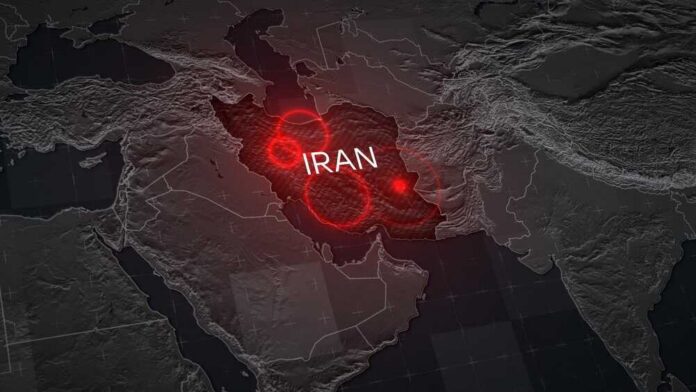
On February 28, 2026, the Trump administration launched attacks on Iran, triggering immediate retaliation against U.S. bases. Iranian forces struck dozens of targets across seven Middle East countries within hours.
Missiles, drones, and F-5 jets overwhelmed Patriot defenses in Operation Epic Fury, marking an unprecedented direct assault. Early March saw $800 million in initial damage reported by CSIS and BBC analyses.
Report: Iran has caused billions in damage to US military bases in Gulf regionhttps://t.co/9CnpPVmSDN
— The Hill (@thehill) April 26, 2026
Specific Bases Devastated
Satellite imagery from late March and April confirmed destruction at key sites. Al Udeid Air Base in Qatar lost its runway, rendering it useless for operations. Bahrain’s naval base, headquarters of the U.S. 5th Fleet, suffered heavy hits to command centers.
In Kuwait, Ali Al-Salem Air Base saw hangars and warehouses demolished, while Port Shuaiba lost six U.S. personnel in a strike on its operations center. Al-Ruwais in UAE and Prince Sultan in Saudi Arabia also faced severe impacts.
Trump Administration’s Damage Minimization
President Donald Trump and Secretary of Defense Pete Hegseth publicly downplayed the strikes’ effects to maintain optics during the conflict. NBC News, citing three U.S. officials, two congressional aides, and an informed source, exposed the discrepancy on April 25, 2026.
Insiders described bases as “all but uninhabitable,” with troops abandoning sites for hotel-based remote work. This contrast fuels questions about transparency, though common sense demands protecting operational security over full disclosure in active hostilities.
Expert Assessments of U.S. Vulnerabilities
Marc Lynch of George Washington University stated Iran rendered the U.S. Gulf base architecture “useless in a month.” Middle East experts at Arab Center DC argued the sites now pose more risks than benefits to hosts like Qatar, Bahrain, and Kuwait.
CSIS quantified early $800 million losses from visible craters, while NYT officials noted degraded warfighting capability. Gulf allies depleted interceptors, closing airports and schools amid energy site hits.
Report: Iran has caused billions in damage to US military bases in Gulf region #USmilitary #Iran #Airdefensehttps://t.co/WlmoioxXOB
— Maureen H Sullivan (@MaureenHSulliv2) April 26, 2026
Short-Term Chaos and Long-Term Costs
Troops face remote operations, with official casualties at 12-plus but rumors of higher tolls. A fragile ceasefire holds, yet vulnerabilities persist. Repairing runways, radars, hangars, and aircraft will cost billions and take years, burdening U.S. taxpayers.
Gulf economies suffer from disruptions, questioning the value of hosting U.S. forces. Politically, revelations reshape perceptions of American primacy, highlighting how concentrated bases became bullseyes for Iran.
Sources:
NBC News Drops Bombshell Report on Trump War Battle Damage: ‘Far Worse’ Than Trump Team Said
U.S. Troops Abandon Military Bases Amid Iran Strikes
US military bases in Gulf ‘useless’ after Iranian strikes, experts say
Report: Many Middle East US Bases All But Uninhabitable Due to Iran Strikes
How massive US footprint in the Gulf became a bullseye overnight