The deadly ambush left investigators facing more questions than answers as police pieced together the events; disturbing evidence began to emerge about what may have happened beforehand.
Story Snapshot
- Police are investigating the Tucson bar shooting as a possible hate crime.
- Officers say the suspect had a note naming LGBTQ-associated businesses.
- Two men were confronted and fatally shot in the Venture-N parking lot.
- Police increased patrols at LGBTQ establishments after the attack.
What Police Say Happened Outside Venture-N
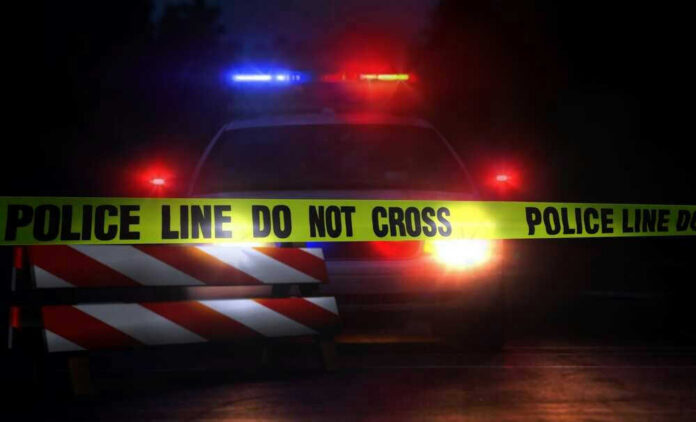
Tucson Police Department officers responded late on August 31 to the Venture-N parking lot, a gay bar in midtown Tucson. Investigators say a man confronted two patrons there, then shot and killed them before dying at the scene.
Police identified the location as an LGBTQ bar and said they are investigating the case as a possible hate crime. Officials said the suspect acted alone and that there was no ongoing public threat.
Police named the suspect as Ousman Ceesay, 44, and said he had a piece of paper listing several LGBTQ-associated businesses. That detail is central to detectives’ review of bias as a motive.
Officials also reported that officers stepped up patrols at LGBTQ venues around the city to calm fear and support the community while the homicide investigation continues.
Why Investigators Are Weighing Hate-Crime Motive
Bias reviews start with facts indicating possible targeting. In this case, the site was an LGBTQ bar, the victims were confronted in its parking lot, and police report finding a note naming LGBTQ-linked businesses.
Federal guidance says agencies should label a hate crime when sufficient evidence would lead a reasonable person to conclude bias motivation. That standard asks for objective facts, not just a hunch. One brief caveat: the legal classification will come from prosecutors, not early reports.
Tucson, Arizona, police investigate gay bar shooting as a possible hate crime https://t.co/k6JDf1ZcCK
— The Washington Times (@WashTimes) September 2, 2026
Law enforcement also weighs the base rate for different bias categories. Federal data show sexual-orientation bias made up about 17 percent of single-bias hate-crime incidents in 2024, while race and religion remain the most common categories.
Those statistics do not decide motive in any one case. They do show anti-LGBTQ bias appears often enough that police treat signs of targeting as serious, especially when it involves a known LGBTQ venue.
Community Shock Meets A Measured Police Response
Community members and bar staff described Venture-N as a long-running safe space for LGBTQ patrons. They now face grief and anger after a deadly attack in their own parking lot.
Police leadership said the department would increase presence at LGBTQ establishments to deter copycats and to reassure patrons who still want to show up for each other.
Advocacy voices called the shooting an anti-LGBTQ attack and urged vigilance and support for the victims’ families. Police echoed the need for tips and patience while they sort evidence. That balance matters.
The public needs to know what happened and how to stay safe. Investigators need time to test each lead and build a clean case. Both can happen when officials speak clearly and act promptly, as they did with visible patrols and early updates.
What Accountability Looks Like From Here
Detectives will keep building the timeline: where the suspect went, why he approached the victims, and how the scene unfolded. Forensic work and witness interviews will press on details that point to motive and intent.
If prosecutors later add a hate-crime enhancement, they will do so because the evidence meets the standard, not because of headlines. That is how equal justice works: specific facts, clear charges, and a record that holds up in court.
A shooting in Tucson, Arizona, is being investigated as a hate crime and double-murder suicide after a man killed two people in the parking lot of a gay bar. The shooter was injured at the scene and later died at a local hospital from his injuries. pic.twitter.com/2JaZaTrY6a
— 41NBC / WMGT-DT (@41NBC) September 2, 2026
Public safety does not wait on paperwork. The faster police identify risk signals, the sooner they can protect likely targets. Tucson police read the setting, seized the note, and surged patrols.
That approach fits: protect life, deter further harm, and focus on facts over slogans. People should be able to enjoy a night out without fear. Keeping that promise starts with swift, visible action and a case built on evidence.
Sources:
news.azpm.org, tucson.com, glaad.org, youtube.com, abcnews.com, kold.com, reuters.com