
A 28-year-old nurse finished an overnight shift, crossed Third Avenue, and never made it home.
Story Snapshot
- Police say nurse Jiayi Zheng was fatally struck at 55th Street and Third Avenue in Sunset Park.
- Zheng had just left her night shift at NYU Langone Hospital-Brooklyn and was walking home.
- The driver fled; New York Police Department investigators are searching for the vehicle.
- Advocates renewed calls to fix the deadly Third Avenue corridor under the expressway.
What Happened On Third Avenue
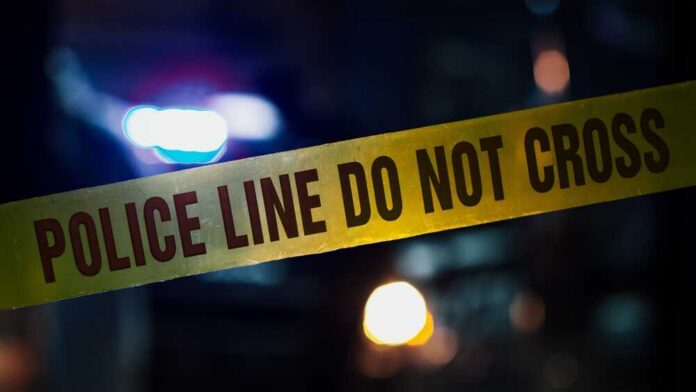
New York Police Department officers responded Saturday morning to 55th Street and Third Avenue in Sunset Park. They found 28-year-old nurse Jiayi Zheng with critical injuries from a crash.
She had just finished an overnight shift at NYU Langone Hospital-Brooklyn and was heading home when a driver struck her and fled. Zheng did not survive. Police said the striking vehicle was a Cadillac sedan and asked for public help to identify the driver.
A Brooklyn nurse was struck and killed in a hit-and-run after working the night shift at NYU Langone Hospital. Surveillance video shows Jiayi Zheng waiting at the light at 3rd Ave and 55th St before she was struck by a southbound Cadillac sedan. pic.twitter.com/zhW8AE9nHq
— FOX 5 NY (@fox5ny) August 31, 2026
Reporters and community leaders gathered at the scene under the elevated highway. They pointed to the long, wide corridor, fast traffic, and limited crossing times. Local television coverage showed police marking debris and canvassing for security video.
Officials confirmed the timeline and location and urged the driver to surrender. The request was simple: do the right thing, call detectives, and face the law. The search continued into the next day.
Why This Corridor Keeps Taking Lives
Third Avenue in Sunset Park runs under a web of ramps and pillars that hide sightlines and invite speeding. Safety advocates have flagged this stretch for years due to repeated pedestrian and cyclist deaths.
They called for slower speeds, clearer crosswalks, and safer signal timing. City Vision Zero reports show traffic deaths have fallen about 31 percent since 2014, but repeat danger zones like this persist and demand a redesign that matches real-world behavior, not wishful thinking.
Streetsblog and local data trackers have documented a pattern on this corridor. High-speed hits, late-night or early-morning crashes, and drivers who run red lights or fail to yield keep showing up.
Several fatal hit-and-runs on Third Avenue in recent years triggered crackdowns and proposals, yet many fixes stalled or moved slowly. The result is no surprise to anyone who walks here at dawn or dusk: one mistake or selfish choice can erase a life in seconds.
How Police Build A Hit-And-Run Case
Detectives start with fragments: paint, broken lights, mirror caps, skid marks, and camera angles. Then they chase registration records, body shop logs, and tips. Prosecutors later need proof that the driver knew, or should have known, they hit someone and fled.
That legal bar is not a loophole; it is a standard a jury must trust. Brooklyn prosecutors have spelled out that burden before, and it shapes how fast charges can land after a crash.
That gap between the horror on the street and a courtroom charge can frustrate families. It also reminds drivers of a basic duty: stop, call 911, and render aid. Leaving the scene compounds harm and invites tougher counts once police find the car and its driver.
In nearby cases, suspects faced charges that stacked from leaving the scene to manslaughter when speed, red lights, or impairment entered the picture. Choices after impact matter to both justice and mercy.
What Accountability Should Look Like Now
Police should keep pushing video pulls and canvas auto shops within hours, not days. City agencies should treat this intersection like an active hazard and move temporary steps fast: longer walk times, daylighting at corners, and visible crosswalk paint.
The city touts safer streets progress, but a corridor with this record has to climb to the top of the list. A strong city does first things first: protect life at known danger spots and keep its promises.
Common sense points to three pillars: personal responsibility, swift enforcement, and design that respects human error. The driver who fled must face the consequences. The New York Police Department needs the tools and staffing to close the case.
The city must harden the street so one bad choice does not equal a death sentence. Families should see action measured in weeks, not in another vigil. That is how leaders honor Jiayi Zheng and prevent the next call to a stunned parent.
Sources:
abc7.com, abc7ny.com, longisland.news12.com, brooklyn.news12.com, youtube.com, cbsnews.com, nyc.gov