

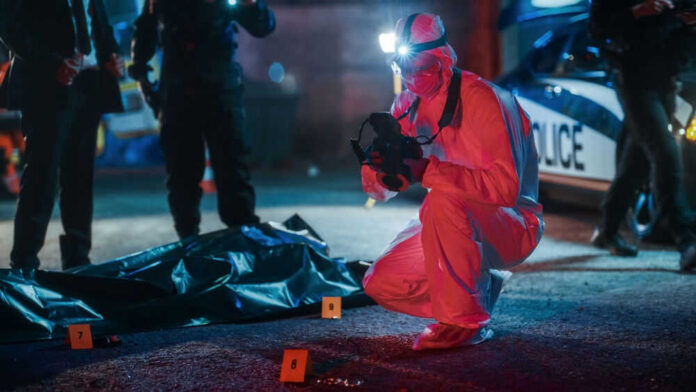
A Mexican judge convicted three men of premeditated murder for killing two Australian brothers and their American friend on a Baja surf trip, closing a case built on robbery, gunfire, and a hurried attempt to hide the bodies.
Story Snapshot
- A judge found all three defendants guilty of aggravated homicide and related crimes.
- Key testimony described a confession, pleas for mercy, and a robbery motive.
- Ballistic findings cited 9mm and.45-caliber evidence at the campsite.
- Defense challenged witness credibility and the lack of a single murder weapon.
What The Court Decided And Why It Mattered
Judge Raúl Hernández issued a guilty verdict for aggravated homicide and other offenses after a trial that gripped three countries. Reports said the court ruled the killings were planned, not random or accidental, and included aggravated robbery and vehicle theft counts. The victims were found in a makeshift well near a remote campsite, a detail that prosecutors used to show a cover-up after the shootings. Families packed the court and asked for the harshest sentence allowed under state law.
Prosecutors leaned on two pillars: witness accounts and physical traces. Ari Gisell Silva Raya, the former girlfriend of accused man Jesús Gerardo, testified that he confessed to a nighttime robbery that turned into murder. She said he arrived with a 9mm handgun, the men handed over belongings, and one begged for his life. She described the victims crying before the gunfire. The state tied her account to a plan to steal valuable tires and phones from the foreigners’ truck.
The Evidence The Prosecution Said Tied It Together
Investigators presented ballistic and scene evidence that pointed to two guns. They said a 9mm bullet was recovered from Jake Robinson’s thigh and two.45-caliber casings were found at the campsite. Prosecutors linked Gerardo to a 9mm handgun found in his truck and asserted that co-defendant Irineo Francisco commonly carried a.45-caliber weapon. A protected witness, said to be Gerardo’s stepson, placed himself in a Ford Ranger tied to the attack and described threats during the incident.
The bodies’ discovery in a crude well near the Punta San José campsite, along with abandoned vehicle evidence, supported the state’s theory of a quick concealment effort after the shootings. The judge’s verdict, covered by several outlets, confirmed guilt and premeditation across all three defendants, aligning multiple independent reports with the prosecution’s timeline.
Where The Defense Pushed Back Hard
Defense counsel told the court the state never proved who fired the fatal shots. They argued prosecutors failed to link any defendant to the killings with blood, genetic material, or a clear ballistic match. They said none of the state’s witnesses saw the crime happen, and they challenged the stepson’s account as too distant to be reliable. They also raised possible scene contamination and contradictions among state agents about the abandoned Ford Ranger.
🚨BREAKING: Three men have been found guilty of murdering Australian brothers Jake and Callum Robinson and their American friend Carter Rhoad during a surfing trip in Baja California in 2024.
A judge in Ensenada ruled on Friday that Jesús Gerardo García, known as “El Kekas,”… pic.twitter.com/dqdUlUwJLU
— Annie🇺🇸 (@ag_0012) October 10, 2026
Defense attacks focused on the guns. A ballistics expert attributed the fatal head wounds to a.45-caliber weapon, not the 9mm round connected to Gerardo’s handgun, which left the state without a publicly identified murder weapon matched to a specific defendant. One forensic witness also said a shell casing found in the well might be old and that its age could not be determined. These points framed the defense claim that the case lacked a firm forensic anchor.
What This Verdict Says About Justice And Risk
The judge weighed those gaps and still found the case proved beyond a reasonable doubt. That reflects a common pattern in Mexico’s homicide cases, where trials often combine witness accounts, scene work, and a plausible motive. The court appears to have credited the girlfriend’s testimony, the robbery plan, the gun evidence, and the concealment steps as a coherent whole, even if lab tests did not tie one gun to all three deaths.
Readers should separate two ideas. First, the legal result is clear: the court found premeditated murder and related crimes. Second, some evidence questions remain open for appeals or future scrutiny. That includes fuller ballistic links, the precise roles of each man, and the reliability of a witness who had her own legal exposure. The prosecution sought long terms, but reporting noted a state maximum near 60 years, not the triple-digit figures they asked for.
What Comes Next For Families, Travelers, And The System
The families asked the court for the maximum punishment and closure. Their grief drove media attention and public pressure. For tourists, the lesson is blunt: remote beach camping carries risks when criminal groups hunt for vehicles and gear. For Mexico’s justice system, the case shows both progress and strain: a completed trial and conviction, alongside familiar fights over witness credibility and evidence handling. Accountability arrived, but so did fair questions about how it was built.
Future clarity depends on the written judgment and a full record of exhibits, forensics, and credibility findings. That record would show how the judge resolved conflicts in testimony, weighed the gun evidence, and assigned roles to each man. Until then, this case stands as a rare, hard-won murder conviction in a rugged region where the ocean draws visitors, and the backroads can still go dark fast.
Sources:
foxnews.com, abc.net.au, aljazeera.com, bbc.co.uk, courthousenews.com, thewest.com.au, amp.dw.com, sbs.com.au, ksl.com