

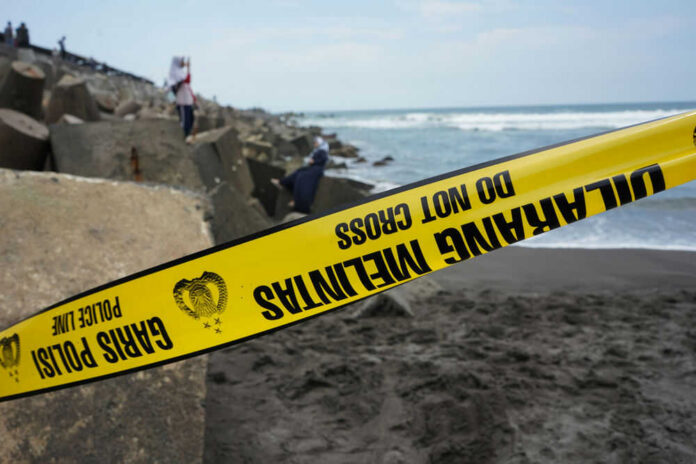
Two American tourists died after strong currents swept a group of swimmers off North Bimini, and the rescue came minutes too late.
Story Snapshot
- Police say strong currents pulled several swimmers near North Bimini.
- A ferry crew helped rescue swimmers; two Americans were recovered unresponsive.
- Victims were a 38-year-old man and a 40-year-old woman, according to reports.
- Doctors pronounced both dead at a local clinic; autopsies are pending.
Police: Currents Overpowered Swimmers Near Bimini Harbor
The Royal Bahamas Police Force reported a possible drowning call shortly before 3 p.m. at the southern point of North Bimini, near the entrance to Bimini Harbor. Officers said strong currents swept several swimmers away. A nearby ferry assisted people in the water. First responders recovered two Americans who were unresponsive. Crews performed cardiopulmonary resuscitation and moved both to a local clinic, where a physician pronounced them dead shortly before 4 p.m.
News outlets reported the victims as a 38-year-old man and a 40-year-old woman. Police had not released their names at the time of publication. Reports also relayed that swimmers were in an area with a warning sign, though authorities did not release further details on the sign or its placement. Police said foul play was not suspected and that the investigation remained open, with autopsies to determine the cause of death.
Rescue Sequence Matches Suspected Drowning Protocol
The timeline aligns with standard emergency care for suspected drowning. Witness calls came in mid-afternoon. A ferry crew pulled swimmers from the current and moved them toward responders. Police and medical staff performed cardiopulmonary resuscitation on shore. Clinicians then pronounced both victims dead within about an hour of the initial call. That sequence—rescue, field resuscitation, clinic transfer, pronouncement—tracks with accepted response steps for water emergencies in coastal settings.
Multiple outlets carried the same core facts from the police account. Each report cited the location near North Bimini, the strong currents affecting swimmers, rescue help from a nearby ferry, and the victims’ unresponsive condition on recovery. Consistent descriptions across separate reports support the central event narrative while leaving space for the final medical finding. The autopsy step matters because drowning can involve overlapping factors, including exhaustion, heart strain, or other medical issues.
Tourist Drownings Are A Known, Repeating Risk
The Bahamas draws travelers to clear water and open beaches, which can hide fast-moving currents. Federal health guidance notes that drowning accounts for about one in ten deaths among United States travelers abroad and is the leading cause of death for Americans in several water-focused destinations, including the Bahamas. The pattern is not rare or exotic; it is a known travel hazard that rewards basic caution, local advice, and swimming near lifeguards whenever possible.
Two Americans are dead after strong currents swept away a group of swimmers near North Bimini in the Bahamas, authorities said. https://t.co/wJX6VreNjk
— USA TODAY (@USATODAY) November 16, 2026
Public safety groups point to rip currents as a frequent driver of rescues and deaths. The United States Lifesaving Association estimates that rip currents cause about 100 deaths each year in the United States and account for most lifeguard rescues. Safety advice is simple and lifesaving: don’t fight the current; float, call for help, and swim along the shore until you’re clear. Obey posted signs and local warnings. These steps are basic, but they turn panic into a plan.
Practical Takeaways For Travelers And Hosts
Travelers should treat water like traffic: know the rules, scan conditions, and respect local signs. Ask hotel staff or lifeguards about currents before swimming, especially near channels, inlets, or harbor entrances where water moves fast. Swim with a buddy and within sight of trained responders when possible. Hosts and operators should keep hazard signs clear, large, and maintained, and brief guests on currents at check-in. These low-cost habits save lives without dampening anyone’s vacation.
Sources:
abcnews.com, upi.com, cbsnews.com, rnli.org, nesdis.noaa.gov