
A street fight on Barracks Row turned into gunfire when a suspect shot a National Guard member on duty.
Story Snapshot
- Police say a National Guard member was shot while stopping a fight in Southeast D.C.
- The incident happened on 8th Street SE.
- Guard members returned fire, wounding a suspect; both were hospitalized with non-life-threatening injuries.
- The case highlights why cities tap the Guard for public safety support during volatile hours.
Guard Patrol Confronts Street Fight, Then Gunfire
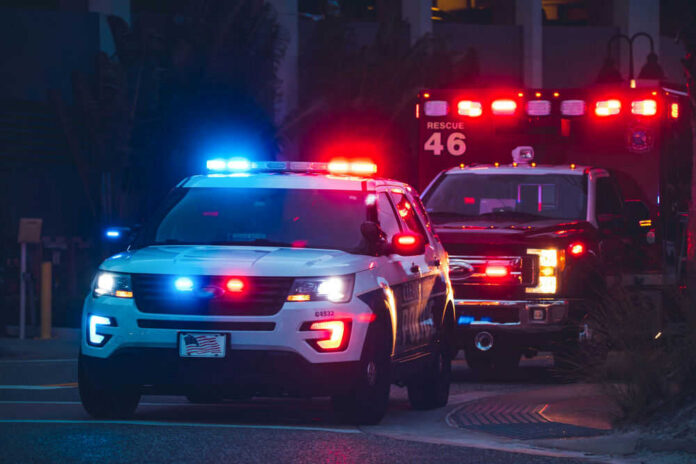
The Metropolitan Police Department reported that National Guard members saw a fight on the 400 block of 8th Street Southeast and moved to break it up late Sunday, October 18, 2026. Police said a suspect pulled a gun and fired toward the Guard detail, hitting one service member. Guard members fired back and wounded the suspect. Officers arrived within minutes. Medics took both the Guard member and suspect to nearby hospitals. Police said their injuries were not life-threatening.
Police placed the scene near a fire and emergency station off Barracks Row, a busy stretch that mixes night life, restaurants, and residences. Interim Police Chief Jeffrey Carroll said the Guard team included several members working a corridor patrol. The Guard has supported public safety in the area during late hours when fights and alcohol-fueled disputes can spike. The department’s Internal Affairs Bureau opened a standard investigation to review the use of force by Guard personnel.
Why The Guard Was There On A Sunday Night
City leaders use the National Guard to support police when crowds, events, or repeat crime hot spots stretch resources. American law allows state-controlled Guard units to assist with public safety tasks under civil authority. That support often focuses on presence, traffic control, and de-escalation. The approach fits a long record of domestic Guard missions since World War II that range from disaster response to public order support, depending on need and legal authority.
Residents often judge these deployments by results on their own block. A visible patrol can cool tempers before things break bad. Yet a single armed assailant can turn a fight into a shooting in seconds. That is why training, clear rules, and tight police coordination matter. The Guard’s job in these missions is not to replace police but to add steadiness and numbers so officers can respond faster and safer when trouble pops.
The Line Between Support And Enforcement
Law sets limits on how the military operates inside our borders. The Posse Comitatus Act restricts the use of federal military forces for law enforcement. But state-controlled National Guard units under a governor’s command can support civil authorities in defined roles. That is why cities often request the Guard for crowd management or patrol support, while keeping arrests, investigations, and prosecutions with the police and prosecutors who own that lane.
Common sense says the mission should be simple: deter violence, back up the cops, and go home safe. That also reflects a core conservative view of order and responsibility. Keep authority close to the community, use the lightest force needed, and hold criminals accountable fast. When a suspect fires into a uniformed patrol, the blame sits with the trigger-puller. Swift arrest and a strong case send the right message.
What Comes Next In The Investigation
Detectives will gather witness statements, video, and ballistics to map every round fired. Internal Affairs will review timing, commands, and distance to confirm that the Guard team acted within policy. Prosecutors will decide charges for the suspected gunman based on assault with a firearm, unlawful possession, and any related offenses. The Guard member who was shot will receive follow-up care and evaluation before returning to duty. Police said the review is routine after any shooting with uniformed personnel.
BREAKING: NATIONAL GUARD MEMBER SHOT IN THE LEG AFTER TRYING TO STOP A STREET FIGHT WHEN MAN PULLED A GUN IN SOUTHEAST WASHINGTON D.C.
A @NationalGuard Member & An Armed Man Were Both Shot Late Sunday Night Near Eastern Market In Washington DC After Guard Members Got Out Of… pic.twitter.com/UxPrkgshm9
— John Basham (@JohnBasham) October 19, 2026
The bigger question is whether this patrol model reduces violence on corridors like Barracks Row. History suggests it can, when paired with focused policing, working cameras, and quick prosecution. The public wants safe streets they can enjoy at night, without turning neighborhoods into militarized zones. Done right, the Guard can help restore calm, then hand the street back to regular patrols. Done wrong, it blurs lines. The facts in this case point to a clear threat met with a disciplined response.
Sources:
foxnews.com, thehill.com, link.springer.com