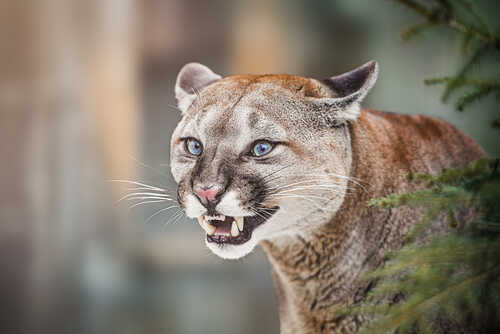
On a sunny afternoon in Olympic National Park, a four-year-old’s playful adventure turned into a harrowing encounter with a mountain lion.
At a Glance
- Mountain lion attack on a child at Olympic National Park.
- The child was airlifted to a Seattle hospital for treatment.
- Authorities swiftly located and dispatched the collared cougar.
- Public safety measures and investigations are ongoing.
A Day at Olympic National Park Turns Dangerous
A seemingly ordinary day at Olympic National Park took a dramatic turn when a mountain lion attacked a four-year-old child near Victoria Overlook on Hurricane Ridge.
This popular trail is a favorite among tourists seeking to enjoy its breathtaking views and family-friendly terrain. However, it’s also home to the elusive mountain lion, a creature that rarely makes an appearance in human company.
The child, accompanied by family, was bitten by a collared mountain lion, indicating it was part of a research program. The incident sent shockwaves through the park, raising immediate concerns about safety and wildlife interactions.
With swift action, park rangers and emergency responders arrived on the scene, ensuring the child’s immediate transfer to a Level 1 Trauma Center in Seattle.
Swift Action and Public Safety
Within hours of the attack, park rangers launched a search operation to locate the mountain lion. Utilizing a canine team, they tracked the animal’s movements through the dense underbrush it calls home.
By the following morning, the rangers had found and dispatched the cougar, eliminating any immediate threat to park visitors. The National Park Service (NPS) was quick to assure the public that the area was once again safe.
In their official statements, the NPS emphasized that such attacks are rare and that the park’s wildlife management protocols are designed to minimize human-wildlife conflicts.
Despite the rarity of these incidents, the NPS is taking steps to review and potentially enhance its safety measures to prevent future occurrences.
The Broader Impact and Community Response
The attack has reverberated beyond the immediate concerns of park safety. The child’s recovery is a key focus, with medical and psychological support being provided.
Meanwhile, the local community and frequent park visitors are grappling with heightened safety concerns and the temporary closure of certain areas within the park.
This incident also sparks a larger conversation about wildlife conservation and human encroachment on natural habitats. With the increase in park visitation post-pandemic, such interactions, although rare, have become more likely.
Wildlife experts point out that while mountain lions can pose a threat, they are typically solitary creatures that avoid human contact. The collared status of the attacking lion underscores the importance of ongoing research and monitoring efforts.
Looking to the Future
In the wake of this incident, there’s a renewed call for public education on how to safely enjoy natural spaces inhabited by large predators. The NPS and wildlife researchers are working together to ensure visitors are equipped with the knowledge to minimize risks and respond effectively if they encounter wildlife.
Furthermore, this event may influence policy changes in how wildlife is monitored and managed within national parks. There’s a delicate balance to maintain between ensuring public safety and preserving the natural behaviors and habitats of wildlife.
As investigations continue, stakeholders remain focused on learning from this incident to foster a safe and harmonious coexistence in our national parks.