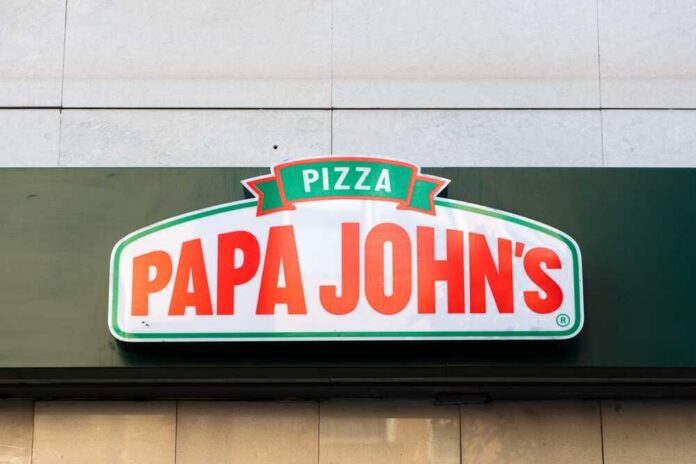
Papa John’s printed plea for tips on pizza boxes reveals the uncomfortable truth about American wages: corporations now openly ask customers to subsidize worker pay while pocketing delivery fees themselves.
Quick Take
- A viral TikTok video exposed Papa John’s box message stating “DELIVERY FEE IS NOT A TIP,” sparking widespread backlash over corporate responsibility for worker compensation.
- The incident reflects a broader “tipflation” crisis, with 90% of Americans viewing tipping culture as out of control and 77% saying it has gone too far.
- Delivery fee confusion causes real harm: in-house drivers receive full online tips, while third-party drivers through DoorDash or Uber Eats may not, leaving workers advising customers to pay only in cash.
- Papa John’s has issued no official response, while the debate exposes the wage gap between executives earning millions and drivers relying on customer generosity.
The Message That Started a Firestorm
Last week, TikTok user @sydneeee___ posted a video showing a Papa John’s pizza box with a stark message printed directly on the cardboard: “DELIVERY FEE IS NOT A TIP. Please reward your driver for outstanding service.” The post ignited immediate backlash.
Comments flooded social media questioning the logic: if Papa John’s collects a delivery fee, why doesn’t that money reach the driver? The message, intended perhaps as a helpful clarification, instead exposed what many customers saw as corporate buck-passing—asking them to cover wages the company should provide.
Papa John's box message telling customers to tip delivery drivers sparks fierce tipping culture debate online https://t.co/US3b8QIv3J
— FOX Business (@FoxBusiness) April 21, 2026
America’s Tipping Crisis Reaches a Breaking Point
Papa John’s box message arrived at a cultural inflection point. A WalletHub survey from March found that 90% of Americans view tipping as out of control.
A separate Popmenu report showed that 77% believe tipping has gone too far, with 66% admitting they tip out of guilt rather than genuine appreciation.
Tipping has metastasized beyond restaurants and delivery into fast food, kiosks, and self-service contexts, creating relentless social pressure. Papa John’s message crystallized this frustration: here was a major corporation, in writing, essentially saying, “We won’t pay our workers enough, so you must.”
The Hidden Tip Trap Nobody Talks About
The controversy deepens when examining where online tips actually go. Papa John’s delivery drivers employed directly by the company receive their full online tips.
However, when customers order through third-party apps like DoorDash or Uber Eats, the situation becomes murky. According to delivery workers sharing experiences online, some third-party drivers report that tips don’t reach them in full—stores allegedly take cuts, or tips are processed through payroll, where they are subject to taxation.
This discrepancy has sparked a near-universal recommendation among drivers: always pay cash. One former pizza delivery driver commented bluntly: “Always cash tips. Always. If it goes to her paycheck via the store, the store takes a cut and the tips are taxed.”
The message on the box, while technically accurate about delivery fees, obscures this complex reality.
Corporate Silence and Worker Reality
As of mid-April 2026, Papa John’s has issued no official statement addressing the backlash. The company’s silence speaks volumes. Meanwhile, customers and workers debate the fundamental question the box raised: what exactly is a delivery fee for if not driver compensation?
Social media comments capture the frustration: “Companies telling us to tip their workers knowing they won’t pay them is crazy.”
Others questioned the math: “So wtf are we paying a delivery fee for?” The lack of response from Papa John’s leadership suggests the company is hoping the viral moment passes without requiring policy changes or wage adjustments.
What This Means for the Delivery Industry
Papa John’s is not alone in this practice. Domino’s, Pizza Hut, and countless other chains use similar fee structures. The viral moment, however, may accelerate scrutiny across the entire sector.
If 90% of Americans already view tipping as excessive, and 77% believe it has gone too far, the public tolerance for corporate wage-shifting is collapsing.
Chains now face a choice: raise base wages for drivers or accept eroding customer trust and potential boycotts. The economics are simple: a driver earning $15 per hour base pay plus tips is cheaper for corporations than paying $20 or $25 hourly.
But that math increasingly conflicts with public sentiment about fairness and corporate responsibility.
Sources:
Do Papa John’s Delivery Drivers Get Online Tips?