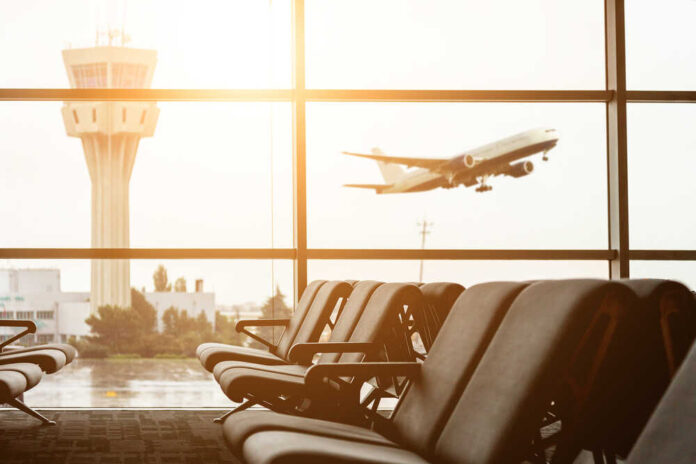
Federal orders tied to the government shutdown have forced major airlines to cancel flights at 40 U.S. airports, highlighting how political gridlock can disrupt the travel plans of law-abiding Americans and put critical infrastructure at risk.
Story Snapshot
- Airlines cancel hundreds of flights at 40 major airports, citing FAA directives stemming from staffing shortages caused by the shutdown.
- Travelers face widespread disruption, while airlines scramble to maintain safety and minimize inconvenience.
- Flight cancellations are not weather-related but stem directly from federal government mandates and the fallout from the shutdown.
- This event exposes the vulnerability of essential services—and the American public—to political brinkmanship and government overreach.
Government Mandates Trigger Widespread Flight Disruption
On November 7, 2025, major airlines including Delta and American Airlines began enacting mass flight cancellations and reductions at 40 of the nation’s busiest airports. This unprecedented move came in response to a direct order from the Federal Aviation Administration and the Department of Transportation, both of which cited staffing shortages in air traffic control caused by the ongoing government shutdown. Unlike disruptions from weather or technical failures, these cancellations are a direct outcome of federal directives, raising questions about the real-world costs of Washington’s political gridlock for ordinary Americans.
Over the first two days, hundreds of flights were cancelled, with American Airlines alone slashing its schedule by four percent at impacted airports—about 220 flights between November 7 and 10. Delta and other carriers completed their planned reductions for November 7–8, and more cuts are expected if the shutdown persists. For many conservative Americans, this event is a stark reminder of how unchecked government dysfunction can ripple through the private sector, disrupting lives and businesses far beyond Washington’s corridors.
Travelers and Airlines Bear the Consequences
The brunt of the disruption has fallen on passengers—families, business travelers, and workers—who now face last-minute cancellations, rebookings, and uncertainty. Airlines, forced into compliance by federal order, have scrambled to minimize customer pain by offering flexible rebooking, refunds, and waivers. Delta publicly stated its commitment to informing customers as soon as possible and apologized for the inconvenience caused. Yet, despite these efforts, the experience for many Americans is one of frustration and helplessness, as their plans are upended by government actions over which they have no control.
Meanwhile, airline staff and remaining air traffic controllers face increased workloads and mounting pressure to maintain safety in a stretched system. The financial impact on airlines is significant, with lost revenue and additional costs for customer care. Small businesses and logistics firms that rely on air travel are also caught in the crossfire, suffering economic losses due to delays and unpredictability. The disruption has prompted renewed debate about the wisdom of allowing political stalemates to compromise essential national infrastructure and services.
Safety and National Security at Stake Amid Political Gridlock
For many in the conservative community, the larger concern is what this episode reveals about the nation’s vulnerability to government overreach and mismanagement. A functioning air travel system is not just a convenience—it’s a pillar of economic vitality and national security. The fact that political disputes can so easily threaten its operation is alarming. The FAA’s top-down directive, while aimed at maintaining safety, has exposed the fragility of systems Americans rely on daily, and highlights the need for reforms that shield critical infrastructure from the fallout of Congressional dysfunction.
Industry experts argue that while the FAA must prioritize safety, the broader system should not be so susceptible to shutdowns. The repeated exposure of essential services to partisan battles signals the urgent necessity of rethinking how federal agencies are funded and how critical operations are protected. Without such safeguards, every budget standoff risks triggering chaos for millions of American families and businesses.
Lasting Implications: Calls for Reform and Accountability
The current wave of flight cancellations is a wake-up call for lawmakers and citizens alike. In the short term, travelers and airline workers are left to deal with the consequences, but the long-term risk is an erosion of public confidence in government and vital institutions. As the disruption continues, pressure will mount on Congress to resolve the shutdown and on federal agencies to develop contingency plans that prevent a repeat of this chaos.
Ultimately, this episode underscores a fundamental truth: when government overreach and gridlock go unchecked, it’s everyday Americans who suffer. The conservative movement has long called for limited, accountable government—and this crisis provides a powerful example of why that principle matters for the country’s future stability and prosperity.
Sources:
Delta Cares for Customers, Reduces Flights Beginning Nov. 7 in Compliance with FAA Directive
An Update on the FAA Directive (American Airlines)