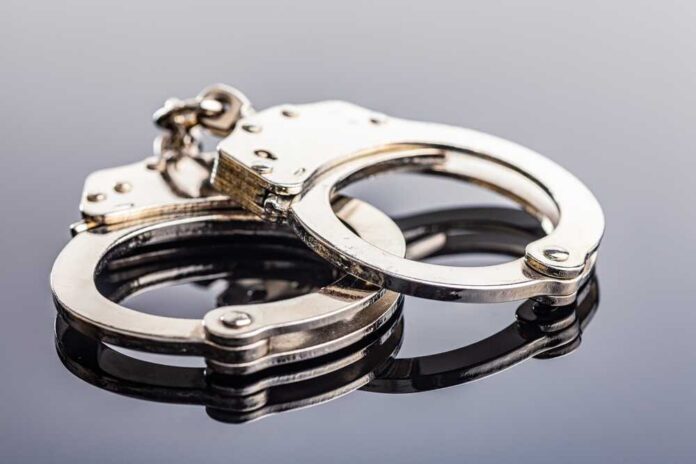
A traffic stop on I-43 ended with Tony Romo in handcuffs and a court date on the calendar.
Story Snapshot
- Milwaukee County deputies arrested Romo on suspicion of operating while intoxicated.
- Reports cite failed field sobriety tests before the arrest.
- Romo was booked and later released, with a court date noted.
- Wisconsin uses “operating while intoxicated” instead of “driving under the influence.”
What Happened On That Milwaukee Bridge
Milwaukee County Sheriff’s Office deputies stopped Tony Romo on Interstate 43 near downtown Milwaukee on July 23, 2026. Newsrooms that reviewed the arrest-detention report say deputies arrested him on suspicion of operating while intoxicated.
The Athletic reported he was taken into custody after the stop and later released the same night, with a case path that included a September court date listed in county records. Details across outlets line up on the stop location and the arrest basis.
Several outlets say the arrest documentation describes poor performance on standardized field sobriety tests before the arrest decision. That is common in Wisconsin impaired driving stops. The reports, however, do not include a breath test result or a toxicology number.
Absent a number, the only on-record indicators remain the deputy’s observations and the test notes in the report. That gap is normal at this early stage, but it also sets the limits on what anyone can claim today.
Tony Romo arrested in Milwaukee on suspicion of operating under the influence | Click on the image to read the full story https://t.co/keHVSaUYdS
— koconews (@koconews) July 25, 2026
Why The Words Matter: OWI Versus DUI
Wisconsin law uses “operating while intoxicated” to cover more than driving. The word “operating” can include control of a vehicle even if it is not moving. Many national headlines rewrite that as “DUI,” which is not the state’s term and can cause confusion when readers compare cases across states.
In practical terms, first-offense operating while intoxicated in Wisconsin is often a civil forfeiture, not a criminal misdemeanor, unless aggravators apply, like injury or a very high alcohol level.
That context helps separate heat from light. An arrest is not a conviction. A booking photo is not proof. The right approach is simple: stick to what the record shows, press for the full report, and wait for the court docket to clarify outcomes. That is how due process should work, for celebrities and for everyone else. When coverage races ahead of the file, the public gets hype instead of facts, and trust takes the hit.
The Evidence We Have And The Evidence We Do Not
On the record: a stop on southbound I-43, a field sobriety sequence, an arrest for suspicion of operating while intoxicated, booking, release, and a scheduled court date. Multiple independent outlets cite the same sheriff’s office source, including local television, national desks, and sports media. Timelines vary by an hour or two across reports, which happens in breaking news. The shared core details remain the same in each report reviewed so far.
Tony Romo withdraws from next golf tournament after DUI arrest https://t.co/wB6KaR1iL3 pic.twitter.com/J3kcVm1aLf
— New York Post (@nypost) July 26, 2026
Not on the record yet: the full arrest narrative, dashcam or body-worn camera video, and any chemical test results or refusal forms. Those items settle arguments fast. They show driving behavior, speech, balance, and the exact test flow.
They also show how the deputy explained instructions and scored each step. Until those pieces appear, claims beyond the basics drift from reporting into guesswork. Good coverage draws that line and keeps it bright.
How To Think About This Without The Noise
Public safety and equal treatment under the law both matter. If the facts support the charge, the penalty should match Wisconsin rules. If the facts fall short, the state should not stretch them because the driver is famous.
That is the reading of justice: standards first, not status. The next clear markers will be the court docket entries and any released video. Those will tell more than hot takes or social clips ever will.
Sources:
abcnews.com, nytimes.com, nypost.com, wisn.com, abc11.com, audacy.com, facebook.com