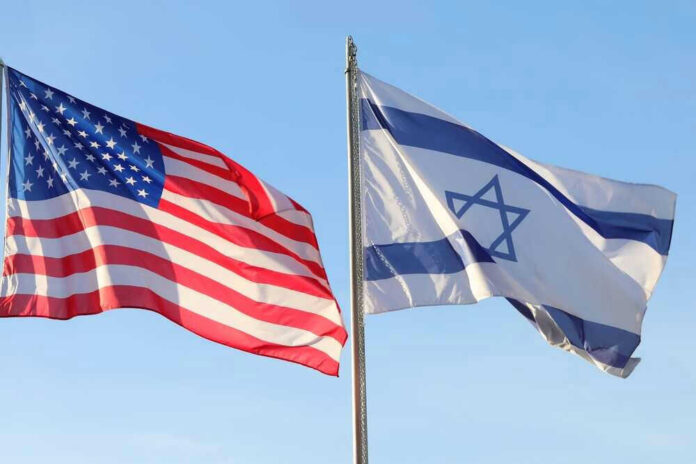
Israel’s Cabinet has approved 19 new settlements in the occupied West Bank, directly defying international pressure and potentially undermining U.S.-brokered ceasefire efforts while America’s closest Middle East ally expands territorial control.
Story Highlights
- Israeli Cabinet approves 19 new West Bank settlements, bringing total to 69 over two years
- Settlement expansion increases by nearly 50% under current government, from 141 to 210 total
- Decision comes as U.S. pushes for Gaza ceasefire with pathway to Palestinian state
- Finance Minister Smotrich explicitly states settlements aim to prevent Palestinian statehood
Cabinet Decision Expands Settlement Network
Finance Minister Betzalel Smotrich announced Israel’s Cabinet approved 19 new settlements in the West Bank on December 21, 2025. The decision includes two settlements previously evacuated during Israel’s 2005 disengagement plan, marking a reversal of prior policy.
Smotrich, a leading advocate for settlement expansion, confirmed the approval brings the total number of new settlements to 69 over the past two years, demonstrating accelerated territorial development under the current administration.
19 new Jewish settlements in the occupied West Bank approved by Israeli Cabinet https://t.co/2q4dtkHhWz pic.twitter.com/7nUsR50vao
— The Independent (@Independent) December 21, 2025
Settlement Numbers Surge Under Current Government
The approval represents a dramatic increase in settlement activity, with numbers rising from 141 settlements in 2022 to 210 following this latest decision, according to Peace Now watchdog group. This nearly 50% expansion during the current government’s tenure reflects the influence of far-right coalition members who prioritize territorial control.
The Cabinet decision included retroactive legalization of existing settlement outposts and neighborhoods, while creating new settlements on land where Palestinians were previously evacuated.
Strategic Timing Challenges U.S. Diplomatic Efforts
The settlement approval coincides with American efforts to advance the next phase of the Gaza ceasefire that took effect October 10, 2025. The U.S.-brokered plan includes a potential pathway to Palestinian statehood, which Smotrich explicitly opposes through settlement expansion.
This timing suggests Israel’s right-wing government is moving to establish facts on the ground that would complicate future diplomatic solutions, potentially creating tension with Trump administration Middle East policies.
Escalating Violence Accompanies Settlement Growth
United Nations data reveals settler attacks against Palestinians have intensified alongside expansion efforts. During October’s olive harvest, settlers launched an average of eight daily attacks, the highest rate since data collection began in 2006.
Palestinian officials report settlers burned cars, desecrated mosques, ransacked industrial facilities, and destroyed agricultural land. Israeli authorities condemned the violence but made few arrests, raising questions about enforcement of law and order in contested territories.
International Law and American Settler Population
The United Nations and international community consider West Bank settlements illegal under international law, creating diplomatic complications for Israel’s allies. Israel has settled over 500,000 Jews in the West Bank since capturing the territory in 1967, with an additional 200,000 in contested east Jerusalem.
Approximately 15% of settlers hold American citizenship, potentially creating diplomatic sensitivities for U.S. policy toward the region as the Trump administration develops its Middle East strategy.