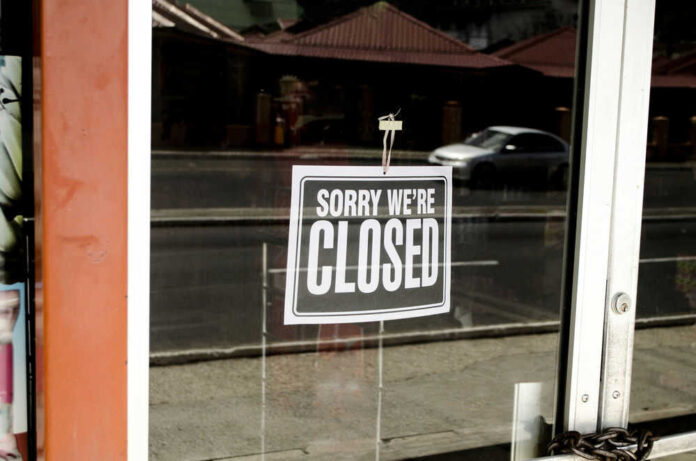
Jim Beam’s decision to shutter its main Kentucky distillery for all of 2026 exposes how Trump’s strategic trade policies are forcing American industries to adapt while foreign competitors struggle to keep pace.
Story Highlights
Jim Beam pausing production at main Clermont distillery throughout 2026 due to market conditions
Kentucky bourbon industry cuts production by 28% as Trump’s trade war impacts global exports
Canada’s retaliatory boycott slashes U.S. whiskey sales by over 60% through October
Japanese-owned Suntory Global Spirits reassessing workforce while investing in facility upgrades
Industry-Wide Production Cuts Signal Market Reset
Kentucky’s $9 billion bourbon industry faces unprecedented challenges as producers slash output by more than 55 million proof-gallons through August 2025. This 28% reduction marks the lowest production levels since 2018, with Jim Beam leading major distilleries in strategic pullbacks. The industry grapples with oversupply domestically while export markets remain constrained by ongoing trade disputes initiated under Trump’s America First policies.
Major Kentucky bourbon maker Jim Beam shuttering distillery for 2026 https://t.co/MD91HeO5Ni
Trump’s Trade Strategy Reshapes Global Spirits Market
Canada’s retaliatory boycott of American spirits demonstrates the real-world impact of Trump’s aggressive trade negotiations. Since March, Canadian consumers have avoided U.S. whiskey, creating a 60% drop in sales to America’s northern neighbor through October. This trade war strategy, while painful short-term for producers, positions American distillers to renegotiate more favorable long-term agreements that protect domestic interests and workers.
Foreign Ownership Complicates American Industry Decisions
Suntory Global Spirits, the Japanese parent company that acquired Jim Beam in 2014, now controls production decisions affecting nearly 1,500 Kentucky workers. The foreign ownership structure raises questions about commitment to American manufacturing jobs during economic pressures. While Suntory claims $540 million in facility investments, the temporary shutdown reveals how international corporations prioritize global market conditions over local employment stability in American heartland communities.
Worker Protections and Union Negotiations Take Center Stage
Jim Beam’s conversations with United Food and Commercial Workers union represent crucial negotiations for Kentucky families dependent on bourbon manufacturing. The company has not filed layoff notices under the state’s WARN Act, suggesting potential workforce redeployment rather than permanent job losses. However, the uncertainty surrounding 1,500 employees highlights the vulnerability of American workers when foreign-owned corporations make strategic decisions based on international market pressures rather than domestic priorities.
Tourism Revenue Remains Stable Despite Production Halt
The James B. Beam campus visitor center will continue operating throughout the production pause, maintaining access for Kentucky Bourbon Trail tourists. More than 100,000 visitors annually generate significant revenue for local communities, demonstrating the industry’s broader economic impact beyond manufacturing. This tourism component provides economic stability while production adjusts to market realities, supporting service sector jobs that complement traditional manufacturing employment in rural Kentucky communities.