
Airbnb just drew a bright red line: pay a cleaning fee, skip the checkout chores.
Story Snapshot
- Airbnb banned most mandatory checkout chores for new bookings after November 20.
- Hosts cannot require dishwashing, bed stripping, or off-site trash runs.
- Simple asks like piling towels or leaving dishes in the sink remain allowed.
- Exceptions cover real-world limits, such as bear-country trash rules.
What Exactly Changed And When It Applies
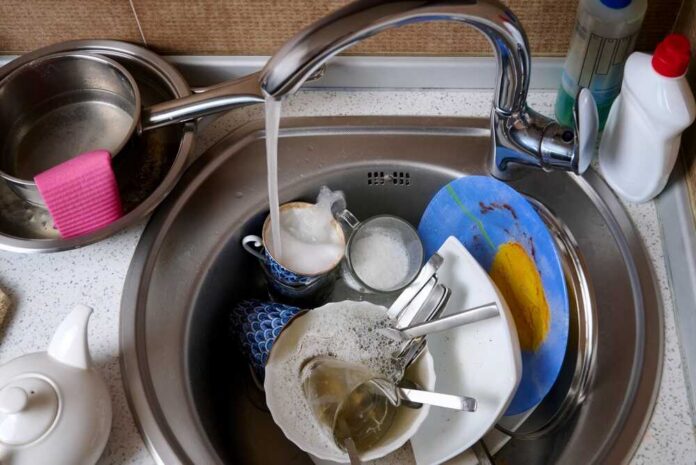
Airbnb updated its house-rules guidance to limit what hosts can demand at checkout. The policy covers reservations booked on or after November 20. Hosts may not require tasks that take real time or would be done by a cleaner. That means no washing and putting away dishes, no stripping beds, and no hauling trash off-site. The company also barred fees tied to those tasks. Airbnb published the ground rules and enforcement process in its Help Center.
Airbnb still allows small, common-sense steps. Guests can be asked to place used dishes in the sink, gather used towels, and sort trash and recycling into indoor bins. Those steps don’t add much work or take long. They also match what many travelers already do without being told. This line keeps the real cleaning with cleaners and the quick tidy with guests, which was the company’s clear goal.
Why Airbnb Drew The Line Where It Did
Airbnb faced a fairness gap. Guests paid cleaning fees but still saw lists of chores that felt like unpaid work. The new rule aims to match fees with labor. If guests pay for cleaning, cleaners do the cleaning. That position threads a needle. The company also wrote in clear exceptions for local realities, such as animal-proof trash in bear areas or water-use limits during droughts. Those carve-outs show the policy is firm but not blind to place-based needs.
The change also fits a longer push toward price clarity across short-term rentals. Platforms have faced heat over add-on fees and confusing totals. Studies and reporting have tracked how cleaning fees shape bookings, especially for one-night stays where a flat fee looms large. When platforms make fees obvious, some hosts lower them or rebalance the nightly rate. That trend likely nudged Airbnb to simplify the guest workload tied to those fees.
How Enforcement Works And What Hosts Can Expect
Airbnb says guests and users can flag listings that demand banned chores. The platform can ask hosts to change house rules that cross the line. Hosts can appeal if they think Airbnb misread their rules. Crucially, hosts can no longer charge any fee for skipped chores now forbidden by policy. That removes the threat of a surprise penalty at checkout and shifts disputes into Airbnb’s own review process, not a host’s one-sided fine print.
Hosts warn costs will rise. Some say cleaners will spend more time on dishes, laundry, and trash. They predict higher cleaning fees or nightly rates as a result. One host interviewed on television said price increases are likely, especially for off-site owners who depend on cleaners and face tight turnarounds. That view is a prediction, not a measured outcome, but it reflects a real concern about labor and margins in short-term rentals.
Sorting The Pushback From The Practical
Hosts also argue the rule weakens hygiene control. A few say asking guests to take trash a short distance keeps smells and pests down. Those points deserve a fair hearing. The policy addresses some of it with exceptions and permitted light tasks. It also bans only the heavy lifts. That aligns with common sense and with a basic consumer standard: if a platform sells cleaning as part of the stay, it should deliver cleaning without turning guests into unpaid staff.
Airbnb is banning hosts from requiring guests to wash dishes, do laundry or complete other unreasonable checkout chores under new rules taking effect November 20
Hosts who violate the policy could face warnings, flagged listings and reduced visibility in search results pic.twitter.com/iNIQUGssJw
— non aesthetic things (@PicturesFoIder) October 21, 2026
The open questions sit in the gray areas. Some edge cases will test what counts as “reasonable.” The help page does not list every scenario. Enforcement may vary as cases arise, and that could spark more noise. The strongest path forward is sunlight. Airbnb can publish anonymized examples of decisions and appeals, plus trends in complaints. Clear guidance and steady enforcement would calm both sides faster than slogans or petitions.
What To Watch Next: Prices, Behavior, And Bookings
Three signals matter now. First, prices. If cleaning costs truly rise, we should see higher totals, not just talk. Second, guest behavior. If chores drop but messes rise, cleaners will notice, and reviews will reflect it. Third, bookings. If guests feel the stays are simpler and fairer, repeat rates should climb. Clear rules reduce friction. If the market rewards clarity, hosts who adapt will keep their calendars full, even if they tweak fees to match real cleaning work.
The headline is simple and welcome: shorter checkout lists, fewer gotchas, and rules that match what you paid for. The hard part lives behind the scenes, where cleaners, schedules, and costs meet reality. Guests should do their part with basic care. Hosts should price for the service they provide. Platforms should enforce what they promise. That balance, not a chore chart on the fridge, is how trust gets rebuilt in home sharing.
Sources:
cbsnews.com, bbc.com, airbnb.com, news.sbs.co.kr, reddit.com