A stunning Financial Times report reveals Defense Secretary Pete Hegseth’s broker attempted to invest millions in a defense contractor fund weeks before the Iran military campaign—timing that raises serious questions about whether government officials are profiting from wars they orchestrate.
Story Snapshot
- Hegseth’s Morgan Stanley broker contacted BlackRock in February 2026 about investing in a defense contractor ETF holding Lockheed Martin, Northrop Grumman, and RTX Corp
- The inquiry occurred just weeks before the US-Israeli military strikes against Iran that Hegseth helped lead as Defense Secretary
- The Pentagon immediately denied the report as “entirely false and fabricated,” demanding a retraction from the Financial Times
- The investment never proceeded because the fund wasn’t available on Morgan Stanley’s platform, though it remains unclear if alternative defense investments were pursued
Suspicious Timing Raises Conflict of Interest Questions
Defense Secretary Pete Hegseth’s Morgan Stanley broker contacted BlackRock in February 2026 seeking to invest millions in the iShares Defense Industrials Active ETF, according to the Financial Times citing three sources familiar with the matter.
The fund holds major defense contractors, including RTX Corp, Lockheed Martin, Northrop Grumman, and Palantir—companies positioned to profit substantially from increased military operations.
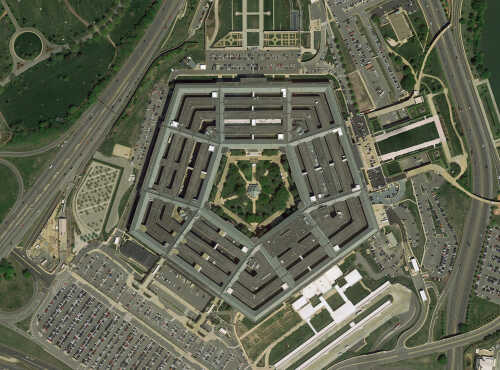
This inquiry came just weeks before the US-Israeli military campaign against Iran began in early March 2026, with Hegseth briefing at the Pentagon on March 2 about operations he helped plan and execute.
JUST IN: 🇺🇸🇮🇷 Secretary of War Pete Hegseth's broker attempted large defense stock investments weeks before US attacked Iran, FT reports. pic.twitter.com/NkHTW9rrS4
— Watcher.Guru (@WatcherGuru) March 30, 2026
Americans who value government accountability and ethical leadership cannot ignore the optics of this timing. When defense officials with advance knowledge of military operations attempt to position their personal portfolios to profit from wars, it fundamentally violates the public trust.
This represents exactly the kind of swamp behavior that frustrates hardworking Americans who expect their leaders to serve the nation’s interests rather than their investment accounts. Whether Hegseth personally authorized or even knew about his broker’s inquiry remains unclear, but the pattern demands transparency.
Pentagon Issues Forceful Denial
Sean Parnell, the Pentagon’s Assistant Secretary for Public Affairs, swiftly responded to the Financial Times report with an unequivocal denial. Writing on X, Parnell declared the allegation “entirely false and fabricated,” demanding a retraction from the British newspaper.
The Pentagon’s forceful pushback suggests the Trump administration views this report as a potentially damaging smear against one of its key cabinet members during active military operations.
However, neither Hegseth himself, Morgan Stanley, nor BlackRock has issued public statements confirming or denying the specific details about the February inquiry.
Investment Never Completed Due to Platform Restrictions
According to the Financial Times, the multimillion-dollar investment in BlackRock’s defense fund never proceeded because the ETF was not available on Morgan Stanley’s brokerage platform at the time of the inquiry.
The $3.1 billion fund, launched in May 2025, tracks defense industrial companies that typically see increased demand during military conflicts.
Interestingly, LSEG data show the ETF actually lost 12.4 percent in the month surrounding the start of the Iran war, suggesting defense stocks faced volatility despite the military action.
It remains unknown whether Hegseth’s broker pursued alternative defense investments after the initial BlackRock inquiry failed.
War Profiteering Concerns Resurface
This controversy reignites longstanding conservative concerns about the military-industrial complex and government officials financially benefiting from wars they help initiate.
Americans across the political spectrum have grown weary of endless foreign interventions that enrich defense contractors while costing taxpayers trillions and sacrificing young American lives.
The Trump administration campaigned on ending wasteful foreign wars and draining the Washington swamp of corruption.
If verified, this incident would represent exactly the kind of ethical failure that erodes public confidence in government leadership, regardless of the official’s political affiliation or party loyalty.
The conflict between the Financial Times’ reporting—backed by three anonymous sources—and the Pentagon’s categorical denial leaves Americans searching for truth.
Without transparency regarding Hegseth’s knowledge of his broker’s actions, the extent of his broker’s autonomy in investment decisions, and whether any alternative defense investments were pursued, suspicions will persist.
The Trump administration must prioritize accountability and ensure no member of its team profits personally from military decisions made in their official capacity, maintaining the ethical standards patriots expect from their government.
Sources:
Financial Times report claims Hegseth broker sought defence investments before Iran war – Tribune
Pete Hegseth’s broker looked to buy defence fund before Iran attack – Investing Live
Hegseth’s broker explored investment in defence firms before Iran attack – Times of India
Pete Hegseth’s broker attempted defense fund purchase before Iran strikes – Jerusalem Post