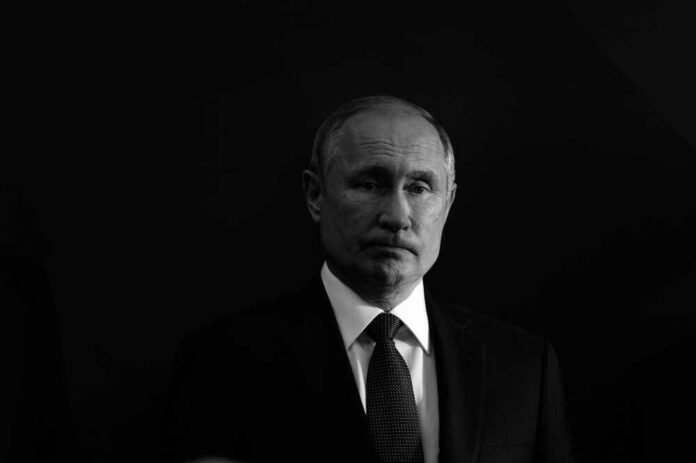
Four years into Europe’s bloodiest war in generations, Putin is still signaling “no quit,” even as U.S.-brokered talks stall and drone strikes expand the battlefield far beyond the front lines.
At a Glance
- February 24, 2026, marks four years since Russia’s full-scale invasion of Ukraine began on February 24, 2022.
- Russia continues pressing incremental advances while Ukraine relies heavily on drone warfare and deep strikes on energy and military targets.
- U.S.-brokered trilateral talks in Geneva ended February 18, 202,6 without a breakthrough, underscoring a grinding stalemate.
- Ukraine’s leadership has cited severe losses, including a reported 55,000 Ukrainian troops killed as of early February 2026.
Four-Year Mark: A War That Didn’t End When the Headlines Moved On
February 24 remains the defining date: Russia launched its full-scale invasion of Ukraine on February 24, 2022 after a long prelude that included troop buildups, Moscow’s demands over NATO, and Russia’s recognition of separatist regions.
Major turning points followed quickly—Kherson’s capture in March 2022, Russia’s claimed annexations in September 2022, and a later withdrawal from parts of Kherson that November—yet the conflict never resolved into a stable peace.
By early 2026, the war’s basic reality is grim and familiar: Russia still occupies about 20% of Ukraine, while Ukraine continues to resist and seeks deeper integration with Western institutions.
The public anniversary messaging highlights endurance on both sides—Ukrainians emphasizing national survival and Russians signaling persistence—while the battlefield record shows steady attrition rather than decisive breakthroughs. The anniversary serves less as a milestone than a reminder that time alone doesn’t deliver peace.
Diplomacy in 2026: Geneva Talks End, Stalemate Remains
U.S.-brokered trilateral negotiations in Geneva concluded on February 18, 2026, without a reported breakthrough, reinforcing that neither side has accepted terms the other can live with. The diplomatic picture is complicated by the reality that negotiations and battlefield operations run in parallel, notin sequence.
Even temporary pauses can be tactical and limited, and the record from prior failed arrangements shows that ceasefires and corridors can collapse when military incentives change.
Separate from the Geneva channel, reporting in the research points to a Kremlin halt of strikes on Kyiv until February 1 following a U.S. request. That episode illustrates the leverage Washington can sometimes exert at the margins, even when it cannot compel a full settlement.
For Americans watching from afar—especially after years of overseas commitments—this is the central policy dilemma: diplomatic influence exists, but it doesn’t automatically translate into a durable end state.
To mark 4 years of Ukraine’s resistance to russia’s full-scale invasion, iconic landmarks across the world once again shone in blue and yellow🇺🇦
Thank you for these beautiful gestures of solidarity and support💙💛 pic.twitter.com/xrg0YQTvj3
— UNITED24 (@U24_gov_ua) February 24, 2026
How the Battlefield Changed: Drones, Deep Strikes, and Energy Targets
By late 2025 and into 2026, drones became a defining feature of the conflict, including Russia’s creation of Unmanned Systems Forces in November 2025. January and February 2026 reporting reflects frequent reciprocal strikes: Ukrainian drones hit targets such as oil depots and facilities inside Russia, while Russian forces continued launching attacks across Ukrainian cities and infrastructure.
This pattern shows a war expanding in reach, with rear areas increasingly exposed.
The research also reflects contested claims and the fog of war, with some battlefield reports disputed between Russian assertions and Ukrainian denials.
That uncertainty is not a side issue; it shapes public understanding and policy debates, especially when decisions about aid, escalation, or negotiations are driven by reports that can be hard to independently verify in real time. What is clearer is the direction: more unmanned systems, more long-range strikes, and fewer “safe” zones.
The Human Cost and the Strategic Pressure on the West
Ukraine’s leadership has publicly cited heavy casualties, including a reported 55,000 Ukrainian troops killed by February 4, 2026, alongside ongoing civilian deaths from airstrikes and drone attacks.
Those figures are inherently difficult to verify independently, but the overall trend—large-scale military and civilian suffering—aligns with four years of sustained, high-intensity combat. Meanwhile, border regions and contested areas continue to absorb repeated attacks that degrade infrastructure and daily life.
For a U.S. audience that lived through years of inflation pain and frustration with globalist priorities, the key takeaway is that this war remains a long-run test of strategy and limits, not just sympathy.
The collapse of the Black Sea grain deal in 2023 showed how quickly conflict can ripple into food and energy markets. With Russia still holding significant territory and talks failing to produce a breakthrough, policymakers face an old problem: how to pursue stability without writing blank checks or drifting into open-ended commitments.
Sources:
Timeline: 4 years of Russia-Ukraine war: key turning points
Timeline of the Russo-Ukrainian war (2022–present)
2022 Russian invasion of Ukraine
Timeline of the Russo-Ukrainian war (1 January 2026 – present)