
New York City now has five people dead from a disease most residents had barely heard of, and the real story is how an invisible rooftop risk quietly turned into a citywide test of public health, building safety, and common sense.
Story Snapshot
- Five deaths and more than 80 infections tied to Legionnaires’ disease on Manhattan’s Upper East Side.
- City health officials moved quickly to test and order cleaning of dozens of building cooling towers.
- Legionnaires’ disease spreads through airborne mist, not drinking water or home air conditioners.
- The outbreak exposes how aging infrastructure and warm, humid summers can quietly threaten urban life.
Deadly pneumonia in one of New York’s wealthiest neighborhoods
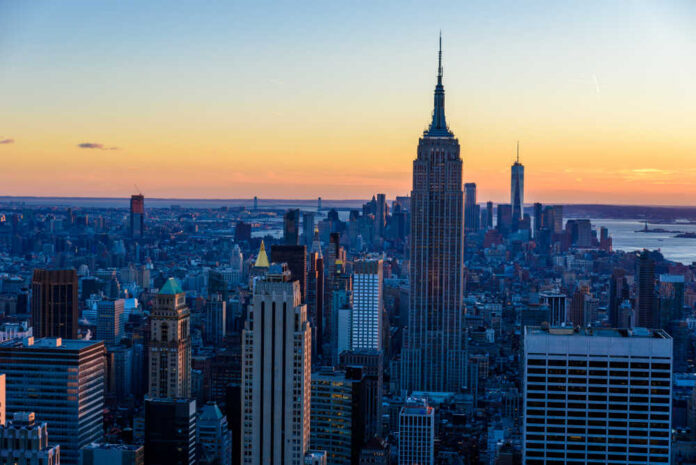
The New York City Health Department says at least 82 people have been sickened and five have died in a Legionnaires’ disease cluster centered on the Upper East Side neighborhood. Cases stretch across the Carnegie Hill and Yorkville areas, between Central Park and the East River.
Many patients are older adults with health problems, the people most likely to die when a “routine” pneumonia turns out to be Legionnaires’ instead. The numbers sound small until you remember this is one neighborhood, not the whole city.
Fifth person dies in Legionnaires' disease outbreak in NYC https://t.co/CgEvBBUQaa pic.twitter.com/8fO0rAhDBL
— New York Post (@nypost) July 22, 2026
Health officials describe a classic pattern: residents notice more people in the hospital with severe pneumonia, doctors start testing, and the Health Department spots an unusual cluster of positive Legionnaires’ lab results tied to a few zip codes.
Once that cluster appears, the race begins to find the source before the next wave of cases. In this outbreak, the hunt focused quickly on one suspect that has burned New York before: rooftop cooling towers.
Cooling towers become prime suspects again
Cooling towers are large water systems on top of big buildings that help central air conditioning and refrigeration work. Warm, stagnant water inside them is perfect for Legionella bacteria to grow. When fans push air through the towers, they can release a fine mist carrying the bacteria into the neighborhood air.
If you walk nearby and breathe that mist, you can get sick. You do not get Legionnaires’ from drinking tap water or from a window air conditioner in your apartment.
New York’s health commissioner and mayor ordered a massive rooftop survey once the Upper East Side cluster was confirmed. Teams sampled nearly 160 cooling towers in the affected zip codes and found Legionella bacteria in dozens of them.
Owners of towers that tested positive were given strict orders: drain, clean, disinfect, and prove the job is done. City officials emphasized that this outbreak was not coming from plumbing systems, tap water, or home sprinklers, pushing back against online panic and rumor.
From Harlem to the Upper East Side, a repeating playbook
This is not New York City’s first Legionnaires’ scare, and that history explains why officials moved so fast. In Harlem, just last year, more than 100 people were infected and at least seven died in a cluster later traced to cooling towers at Harlem Hospital and a new public health lab.
In the South Bronx in 2015, whole genome sequencing ultimately tied the largest outbreak in city history to a single hotel cooling tower. In both cases, once contaminated towers were disinfected, new cases quickly dropped.
That pattern shapes today’s response. Health authorities now treat cooling towers as known repeat offenders and use aggressive testing and cleanup orders whenever a neighborhood cluster appears.
From a common-sense point of view, this approach lines up with basic responsibilities: if city government forces property owners to follow clear maintenance rules and punishes those who ignore them, innocent residents are less likely to pay with their lives later. The real debate is often about how quickly those rules are enforced, not whether the science is sound.
Who is really at risk and what symptoms matter
Legionnaires’ disease is a severe form of pneumonia caused by breathing in mist that contains Legionella bacteria. Symptoms usually start with fever, cough, shortness of breath, muscle aches, and headache.
Many people exposed never get sick, but those who do can end up in intensive care. Older adults, smokers, and people with weak immune systems have the highest risk of hospitalization and death, which is why this outbreak has hit seniors in a relatively affluent area so hard.
New York City officials have urged anyone who lives, works, or spends time in the affected zip codes to call a doctor right away if they develop flu-like symptoms.
That message may sound alarmist, but it reflects a learned lesson from past outbreaks: catching Legionnaires’ early lets hospitals give strong antibiotics and breathing support before the disease spirals. For people over 50, waiting “to see if it passes” can be the difference between a week in bed and a funeral.
Infrastructure, climate, and accountability
The Upper East Side cluster also raises bigger questions that matter far beyond one Manhattan neighborhood. Legionnaires’ thrives in warm, humid conditions and in aging or poorly maintained water systems.
Climate experts warn that hotter summers and more intense heat waves will make rooftop cooling towers work harder and stay wetter, creating more chances for bacteria to grow if maintenance slips. Cities that ignore this link between climate, infrastructure, and public health do so at their residents’ risk.
The stakes are clear. People expect government to do a few core things well: protect life, enforce fair rules, and be transparent when danger appears. In this outbreak, New York’s health officials have publicly named affected buildings, ordered strong remediation, and explained the difference between real risks and media fear.
The harder question is whether every building owner did their job before the crisis. When five neighbors die from a preventable disease tied to rooftop systems, “trust us, the towers have been cleaned” is not enough. Responsible oversight, honest reporting, and real consequences for neglect are what keep this kind of invisible threat from becoming the new normal.
Sources:
abcnews.com, bbc.com, healthbeat.org, yahoo.com, facebook.com, nytimes.com, nbcnewyork.com, nyc.gov, nypost.com, wwwnc.cdc.gov, nyas.org