
The clock on emergency SNAP support stops on September 30, and the remaining rules will bite hard if states and recipients aren’t ready.
Story Highlights
- Federal rules require work compliance for many SNAP adults, with benefits lost for noncompliance.
- The national SNAP payment error rate jumped to 10.62% for 2025, triggering stricter state accountability.
- Congress set a SNAP contingency fund that was only available through September 30, 2026.
- Starting in 2028, states will share benefit costs based on payment errors, raising pressure now.
What changes on September 30, and why it matters
Congress limited the special SNAP backup fund to September 30, 2026, setting a clear end date for emergency support. That fund helped smooth shocks when regular appropriations ran tight.
When the reserve expires, states carry more risk from month-to-month swings. That shift comes as many offices already face busy caseloads. Put simply, the margin for error shrinks right when accuracy and speed must rise.
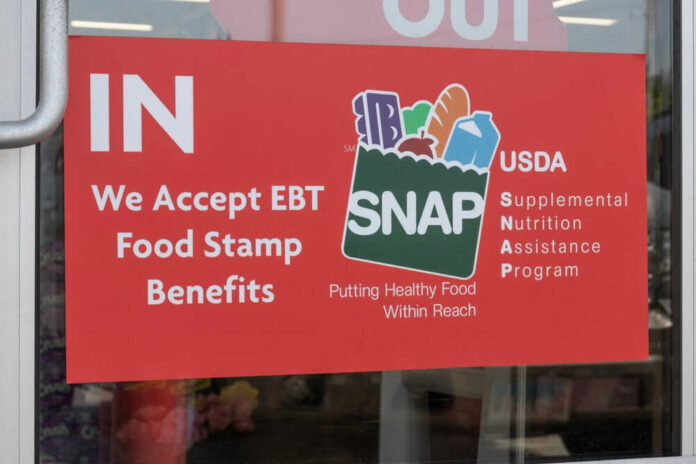
The United States Department of Agriculture says most adults must meet work rules to remain eligible for the Supplemental Nutrition Assistance Program. Those rules include job search steps and, for adults without dependents, meeting monthly work or training hours.
Failing to comply can mean disqualification, which is a hard stop for benefits until the person cures the issue or qualifies for an exemption. When hours tracking, notices, or interviews break down, people can lose access.
Work rules, the 80-hour bar, and where closures happen
Federal policy sets a clear standard for able-bodied adults without dependents: work at least 80 hours a month, do at least 80 hours in a work program, or combine both to hit 80 hours.
Those who fall short can face time limits and case closures unless they have an approved exemption, such as a verified health condition or caregiving duty.
The rule is not new, but enforcement intensity matters. Tighter checks can turn small paperwork gaps into real terminations for otherwise eligible people.
Nationwide, about 5 million Americans have lost access to SNAP benefits since the One Big Beautiful Bill became law, according to the Center on Budget and Policy Priorities, and SNAP funding could face a major shake-up at the end of September.
Read more: https://t.co/ZpcLLWR3Ld pic.twitter.com/YogSU7nf6X
— ABC News (@ABC) September 14, 2026
Research and case reporting show how that tension plays out. Kansas groups and the state agency described more paperwork, missed recertifications, and sudden closures under new procedures. Families said they did not get clear notices or enough time to respond.
The state also faced heavier workloads that slowed benefits and raised error risk. These accounts map to a known pattern: when rules tighten fast, churn rises, even if a share of those closures later get reversed on appeal.
Error rates surged, and states now face the bill
The United States Department of Agriculture reported a national payment error rate of 10.62% for fiscal year 2025, far above the 6% benchmark that Congress referenced for cost-sharing.
That level forces states with high errors to pay a share of benefit costs, between five and fifteen percent, and to file a corrective action plan. This is not a warning label; it is a bill that lands on state budgets if errors persist. That pressure rewards speed and accuracy.
The United States Department of Agriculture’s economic report states that, beginning in fiscal year 2028, states will fund a share of benefit costs tied to their payment error rates. That future date is close enough to drive action today.
Agencies want to lower errors now, before the financial exposure grows. That urgency meets the September reserve deadline, which leaves less room to absorb late fixes and backlogs. The result is a stricter operating climate with real pocketbook stakes.
Claims of “millions cut” versus what the record shows
Advocacy groups claim millions have already lost access to food aid under recent changes and urge Congress to delay more shifts. Public reports cite large drops in participation and stress on families, and some Senate Democrats pushed to pause the cost shift to states.
These claims describe real pain, yet they mix several forces at once: work-rule enforcement, payment-error controls, and the fading contingency fund. That blend makes clean cause-and-effect hard to prove from the public record alone.
The established facts support a simpler bottom line. Work rules are part of eligibility. Failure to comply risks disqualification. The payment error rate spiked above the benchmark, and states with high errors must now share benefit costs and fix their systems.
The contingency reserve expires September 30. These facts point to tougher enforcement and tighter timelines ahead, not to an automatic, nationwide cutoff. Prepared states and informed recipients can avoid many losses through clean paperwork and verified exemptions.
States should audit their notices, interviews, and data matches this month. Fix wrong addresses. Send clear, short letters. Offer same-day callbacks for missed interviews. Track cases at risk of closure due to hours, and verify exemptions quickly.
Recipients should keep copies of pay stubs, training logs, and medical notes. Call local offices to confirm work-rule status. Ask about exemptions if health or caregiving applies. These steps cut preventable closures while still enforcing the law.
Sources:
abcnews.com, fna.usda.gov, californiatoday.com, newsweek.com, ers.usda.gov, congress.gov