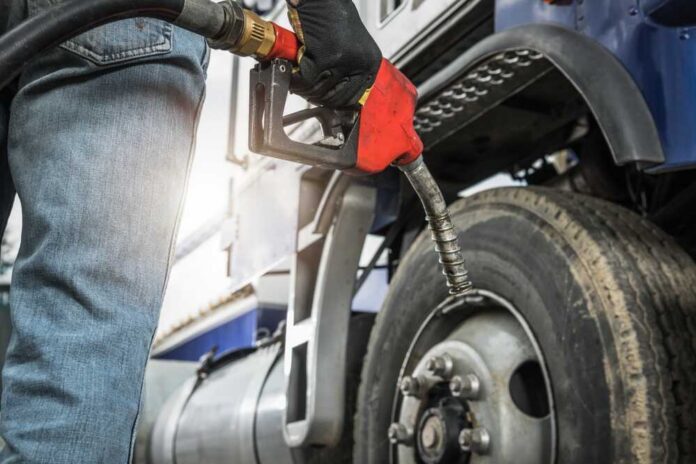
Ford is recalling 223,472 F-150 trucks because some fuel tanks can loosen, leak, or fall off while driving.
At a Glance
- Recall covers certain 2023–2027 F-150 trucks with misassembled front fuel tank straps.
- Risk includes fuel leaks, stalling, fire, and the tank detaching from the truck.
- Ford says dealers will inspect and replace fuel tank straps at no cost.
- Ford’s filing estimates about 1% of the trucks actually have the defect.
What Ford And Regulators Say Is Wrong
The National Highway Traffic Safety Administration said some F-150 trucks left the factory with front fuel tank strap slots not seated in the frame rail.
That mistake can let the tank shift, leak fuel, or detach on the road, raising fire risk and potentially stranding drivers. Ford’s recall notice lists 223,472 trucks from model years 2023 through 2027. The company told regulators it would contact owners and fix the problem through its dealer network.
Ford recalls nearly a quarter-million F-150 trucks over scary fuel tank hazard https://t.co/fQdUYqnW5D pic.twitter.com/xK7jIwJX5X
— New York Post (@nypost) September 15, 2026
Ford’s defect report points to a defined build window and an assembly verification change implemented to prevent repeats. The company’s filing estimates only about 1% of the trucks in the recall population will need parts, but every vehicle will get inspected to make sure the straps are properly seated. Owners will not pay for the inspection or any needed strap replacement, and Ford will send letters with instructions and timing.
Who Is Affected And How To Check
The recall covers certain F-150 trucks from the 2023, 2024, 2025, 2026, and 2027 model years. Trucks in that range may or may not be affected, depending on the strap assembly at the plant.
Owners should run their vehicle identification number on the recall lookup and contact a local dealer to schedule an inspection. The fix is quick when no parts are needed and still straightforward if new straps must be installed.
Drivers should watch for signs of trouble before their appointment. Clues include a fuel smell, a tank that looks low or loose, fluid on the driveway, warning lights, or a sudden stall.
If any of those show up, park the truck outside away from buildings and call the dealer for next steps. People can arrange towing to avoid driving a risky vehicle.
Why A Big Recall Can Still Mean A Small Fix
Automakers often cast a wide net to catch every possible build with a shared part or step. That is why recall counts can sound huge while the actual defect rate stays low.
Ford’s own filing pegs the likely defect rate at about 1% for this issue, which fits the pattern. Regulators judge success by how many owners bring trucks in to get checked, not by how loud the headlines are. That is healthy accountability for safety.
More than 223,000 Ford F-150 pickups are being recalled over a fuel tank issue that could increase the risk of a fire, engine stall or even create a road hazard if the tank detaches.
The recall covers certain 2023 through 2027 models after regulators found some fuel tank straps… pic.twitter.com/CPIOY7gcUc
— FOX Business (@FoxBusiness) September 16, 2026
There is also history here. Ford recalled older trucks years ago for fuel tank strap problems caused by corrosion. Those cases led to tanks dropping after the metal straps fractured. The current problem is different in cause, but the risk feels familiar to many truck owners.
When heavy parts hang below the frame, small assembly mistakes or rust can create outsized hazards. Fixes that prevent movement stop leaks and fires before they start.
What Owners Should Do Next
First, check your vehicle identification number online and enroll in recall alerts so you don’t miss updates. Second, book a dealer visit and plan for a quick inspection. Third, do a walk-around before each drive until your appointment. Smell for fuel and look for drips.
Fourth, keep repair records for your files and resale value. Safety recalls are free. Skipping them is not worth the risk to your family or to people driving behind you.
Bottom Line For Truck Owners
Ford’s recall is clear, the remedy is simple, and the risk is real enough to act now. A strap seated the wrong way can let a fuel tank move, leak, and, in the worst case, separate from the truck at speed.
Fix that problem before it finds you. Take the free inspection, get the repair if needed, and get back to using the truck the way it was built: safely and with confidence.
Sources:
gagadget.com, reuters.com, cars.com, kbb.com, autoremarketing.com, catalog.data.gov