

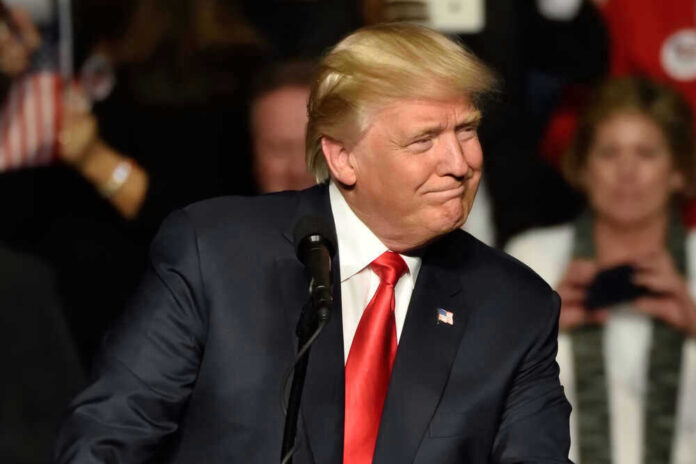
To the cheers of conservative Americans, President Trump has made a decisive move to end all federal support for windmill energy projects.
Story Snapshot
- Federal subsidies and offshore wind leasing for windmill energy were terminated by executive order.
- National security, energy reliability, and taxpayer protection are cited as key reasons.
- Thousands of renewable energy jobs and billions in investment are at immediate risk.
- The policy sparks strong reactions from the industry, blue-state leaders, and even some Republicans.
Trump’s Windmill Ban: A Turning Point in U.S. Energy Policy
President Trump has officially ended federal support for windmill energy projects, delivering on a central promise to restore common-sense priorities and protect American interests. The administration’s executive actions include halting all new offshore wind leasing, immediately phasing out subsidies for wind and solar, and tightening rules for remaining renewable tax credits. Supporters view these steps as a vital correction after years of bloated spending and unreliable energy policies. At the same time, critics warn of economic fallout and a loss of momentum in the clean energy sector.
For decades, wind energy enjoyed generous taxpayer-funded support, with federal tax credits and leasing programs fueling rapid expansion, especially in coastal and rural communities. Offshore wind leasing accelerated under previous administrations, despite growing questions about its true costs and vulnerabilities. Trump’s January 2025 memorandum withdrew all Outer Continental Shelf areas from wind leasing, and his July order ended “market-distorting” subsidies, signaling a sharp pivot away from what many see as leftist, globalist energy schemes.
National Security, Economic Stability, and Conservative Values at the Forefront
The administration’s rationale centers on national security, grid reliability, and safeguarding the American taxpayer. Officials point to the increasing foreign control over renewable supply chains, grid instability linked to unreliable wind generation, and the mounting burden of subsidies on working families. Many conservatives have long argued that Washington’s windmill obsession undermined real energy independence, imposed costs on families, and opened the door to foreign influence. The new rules aim to restore balance and prioritize constitutional principles of limited government and domestic security.
Yet, the sweeping policy shift has not been without controversy. Wind industry advocates, state leaders in Texas and Iowa, and even some Republican senators have sounded alarms about abrupt regulatory changes and threatened economic harm. Over 17,000 offshore jobs and thousands more onshore are now at risk, with billions in local investments suddenly thrown into uncertainty. Industry groups warn that existing and planned projects may be shuttered, while critics argue the move will stall innovation and cede America’s leadership in renewables to foreign competitors. Still, for supporters, these are the necessary costs of putting America first and reining in reckless spending.
Winners, Losers, and the Battle for America’s Energy Direction
Trump’s actions have exposed deep rifts not just between parties, but within the Republican ranks. Some senators—especially from wind-dependent states—have criticized the speed and scope of reforms, calling for a more gradual approach. However, the federal government’s executive authority has largely overridden local and industry interests, underscoring the administration’s commitment to bold, constitutionally grounded decision-making. While critics highlight job losses, rising costs, and missed climate targets, supporters welcome the end of what they view as government overreach and a return to common-sense priorities centered on reliable, affordable energy and national sovereignty.
Early data suggests immediate impacts: new federal wind projects are halted, investment pipelines are frozen, and industry layoffs have begun. The long-term effects remain uncertain, but the policy’s intent is clear—prioritize American security, energy reliability, and fiscal restraint over ideological agendas. Some analysts predict the fossil fuel sector may benefit from reduced competition, while others warn of lost opportunities in the global clean energy race. Regardless, the administration’s message is unmistakable: American taxpayers will no longer be forced to subsidize unreliable, foreign-influenced energy experiments at the expense of their own security and prosperity.
Trump: 'We Don't Allow Windmills'President Donald Trump declared at a Cabinet meeting that the federal government is halting windmill energy projects, citing their unattractiveness, inefficiency, and environmental harm, including bird deaths and property value reduction. He…
— 🔥BREAKING NEWS INVESTIGATIVE JOURNALISM 🔥TRUMP (@TalkAboutNews__) August 27, 2025
The decision to end federal support for wind energy is a watershed moment, reflecting the frustrations of millions who have grown weary of costly, impractical energy mandates and government overreach. As the dust settles, the nation faces a defining debate about the proper role of government, the future of American jobs, and the enduring principles that should guide national policy. For many conservatives, this is a long-overdue victory for constitutional values, energy independence, and the hardworking families who keep America strong.
Sources:
Ending Market-Distorting Subsidies for Unreliable, Foreign-Controlled Energy Sources (White House)
Trump’s War on Wind: Way Beyond Tax Credits (Fortune)