
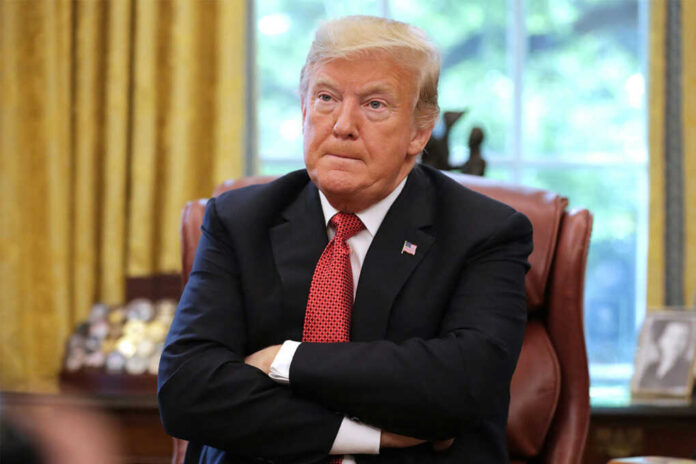
President Trump’s threat to pull World Cup games from Boston exposes the ongoing struggle between American sovereignty and international organizations, igniting fresh debate over who truly decides what happens on U.S. soil.
Story Snapshot
- Trump’s remarks challenge FIFA’s authority over World Cup host city decisions.
- Boston’s status as a potential 2026 World Cup site faces uncertainty after political intervention.
- FIFA and local organizers reaffirm exclusive control over host city selection, limiting U.S. executive influence.
- Debate grows over federal power, local interests, and the role of global institutions in American events.
Trump’s Threat Spurs Debate on Local Control and National Interest
President Donald Trump’s public statement threatening to withdraw support for Boston as a 2026 World Cup host city has reignited the conversation around the extent of executive power over international sporting events.
Trump’s move comes in the wake of years of frustration among conservative Americans, who have grown weary of globalist encroachment and bureaucratic overreach that often sideline local voices.
By raising the possibility of pulling games, Trump is advocating for greater national and local control, underscoring the tension between American interests and the authority of international organizations like FIFA.
FIFA, the international governing body for soccer, has responded by reaffirming its independence in selecting host cities. The organization, supported by local event committees, maintains that final decisions rest solely in its jurisdiction, regardless of political pressure from any national leader.
The 2026 World Cup, scheduled to be jointly hosted by the United States, Canada, and Mexico, relies on criteria such as infrastructure, financial capability, and international cooperation rather than executive preference.
This clash highlights long-standing frustration among conservatives who believe American communities should have more say in events affecting their cities, particularly when potential economic boosts are at stake.
Boston’s World Cup Future: Political Pressure Versus FIFA Protocol
Boston’s prospective role as a World Cup host city now faces uncertainty, not due to local shortcomings but because of the intersection of politics and international procedure. Trump’s assertion, although ultimately not determinative, reflects a broader conservative critique of global agencies dictating terms on U.S. soil.
While the city continues preparations and local businesses await FIFA’s final decision, the episode serves as a reminder of how easily outside institutions can override American priorities.
For many in Trump’s base, this incident is symptomatic of a larger pattern—one where international organizations diminish the sovereignty and interests of American citizens, creating frustration in communities that value self-determination.
The pushback by FIFA and local organizers against Trump’s threat underscores the limited role even the U.S. president can play in changing the outcome of internationally governed events. The organization’s prompt response reiterates that host city selection is a matter of established protocol, not political negotiation.
Despite ongoing debate, Boston remains in contention for hosting, with preparations continuing under FIFA’s guidance. This dynamic raises questions about how much influence American leaders should exert over international decisions, and whether current arrangements serve the best interests of local residents and businesses.
Broader Implications: Federal Power, Local Interests, and Conservative Values
This incident extends beyond sports, fueling ongoing debate about the proper balance between federal authority, local interests, and the reach of global institutions.
Trump’s comments reflect a persistent conservative concern: that American decision-making is being eroded by international organizations and bureaucratic processes that do not prioritize constitutional values or community needs.
The challenge to FIFA’s control over World Cup games in Boston is emblematic of broader frustrations over government overreach, the sidelining of traditional principles, and the perceived absurdity of letting foreign entities dictate American affairs.
Experts caution that political interference in international sports, while often symbolic, can have real implications for how American interests are represented on the global stage. The situation in Boston may set a precedent for future conflicts, prompting lawmakers and citizens to demand greater transparency and accountability from organizations operating within U.S. borders.
Whether or not Trump’s threat leads to substantive change, it highlights the necessity of defending local autonomy, family values, and the constitutional right of Americans to shape decisions that affect their communities.
As the World Cup approaches, conservatives remain vigilant, calling for respect of U.S. sovereignty and a return to common-sense governance.
Sources:
Trump threatens to yank World Cup games from Boston – ESPN
FIFA World Cup 2026: Host cities to be announced – BBC Sports
Information on the 2026 FIFA World Cup hosting process – FIFA Official Website