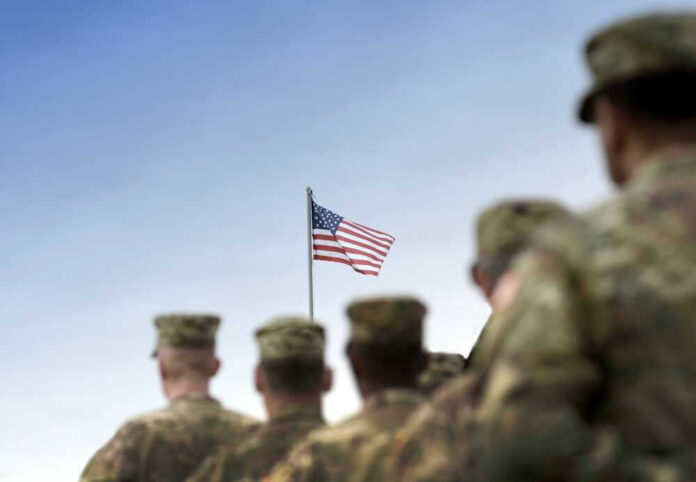
President Trump has placed 1,500 active-duty troops on standby for potential deployment to Minnesota, marking a dramatic escalation in federal response to protests over an ICE agent’s fatal shooting of an American citizen.
Story Highlights
- Pentagon orders 1,500 troops from Alaska’s 11th Airborne Division on standby for Minnesota deployment
- Deployment would mark the first Insurrection Act use since 1992, despite local Democrat opposition
- ICE shooting of American citizen Renee Good sparked Minneapolis protests and a federal crackdown
- Trump administration already deployed 3,000 ICE agents and launched criminal probes of local officials
Federal Forces Mobilized Against Local Opposition
The Pentagon has ordered approximately 1,500 active-duty soldiers from Alaska’s 11th Airborne Division to prepare for immediate deployment to Minnesota following protests over ICE operations in Minneapolis. President Trump initially threatened to invoke the Insurrection Act but later stated there was “no reason right now” to deploy the troops.
The standby order demonstrates the administration’s willingness to override explicit opposition from Minneapolis Mayor Jacob Frey and Minnesota Governor Tim Walz, both Democrats who have called for federal de-escalation.
Pentagon readies 1,500 troops for potential Minnesota deployment, U.S. officials say https://t.co/tYTe5K0THn
— CNBC Politics (@CNBCPolitics) January 18, 2026
This potential deployment would represent only the second invocation of the Insurrection Act since President George H.W. Bush sent troops to Los Angeles during the 1992 Rodney King riots.
Unlike the 1992 deployment, which occurred at the California governor’s request, the Minnesota situation involves federal forces being prepared despite local leaders’ strong objections. The administration has already deployed 3,000 ICE and Border Patrol agents to handle what officials describe as “largely peaceful protests.”
ICE Operations Trigger Constitutional Crisis
The current standoff stems from ICE enforcement operations that resulted in the fatal shooting of Minneapolis resident Renee Good, an American citizen, and the wounding of Venezuelan migrant Julio Cesar Sosa-Celis.
The Department of Homeland Security defended the agents’ actions, claiming they were being threatened, but Democrat officials dispute this characterization. The American Civil Liberties Union has filed a 72-page lawsuit alleging ICE agents violated constitutional rights and engaged in racial profiling during their Minneapolis operations.
Mayor Frey appeared on NBC’s Meet the Press to condemn the potential deployment as “a shocking step,” emphasizing that crime is down in Minneapolis and attributing current chaos to the presence of thousands of federal agents.
The mayor’s criticism highlights growing tensions between federal enforcement priorities and local governance, particularly regarding immigration enforcement in cities with significant immigrant populations.
Pattern of Federal Intervention in Democrat Cities
The Minnesota standby order reflects broader Trump administration tactics during his second term, characterized by aggressive federal intervention in Democrat-run cities nationwide.
The administration has previously deployed 4,000 National Guard members and 700 active-duty Marines to Los Angeles during anti-ICE protests in June 2025, despite objections from Governor Gavin Newsom. Additionally, more than 2,600 National Guard members remain deployed in Washington, D.C., with missions extended through 2026.
Beyond military deployments, the Trump administration has launched criminal investigations into both Mayor Frey and Governor Walz for comments they made about the protests.
This prosecutorial approach, combined with threats to withhold federal funds, demonstrates a comprehensive strategy to pressure Democrat leaders who oppose federal immigration enforcement. Governor Walz has directly appealed to Trump to “turn the temperature down” and “stop this campaign of retribution.”
Constitutional and Civil Rights Implications
Pentagon spokesman Sean Parnell stated the Department of War remains “always prepared to execute the orders of the Commander-in-Chief if called upon,” while White House officials characterized the troop readiness as “typical” preparation.
However, the potential deployment raises significant constitutional concerns about federal military power in domestic affairs and the balance between federal authority and local governance.
The ACLU lawsuit alleges that “masked federal agents in thousands are violently stopping and arresting countless Minnesotans based on nothing more than their race and perceived ethnicity.”
The situation underscores fundamental questions about civil liberties, constitutional protections, and the appropriate role of federal forces in local law enforcement.
If deployed, these troops would establish a precedent for military intervention in domestic protests, potentially normalizing such federal actions across the country. For constitutional conservatives, the deployment represents both support for law enforcement and legitimate concerns about federal overreach into traditionally state and local jurisdictions.
Sources:
Pentagon Puts 1,500 Troops On Standby For Possible Minnesota Deployment – TIME Magazine
Trump Administration Prepares Active-Duty Troop Deployment to Minnesota – Politico