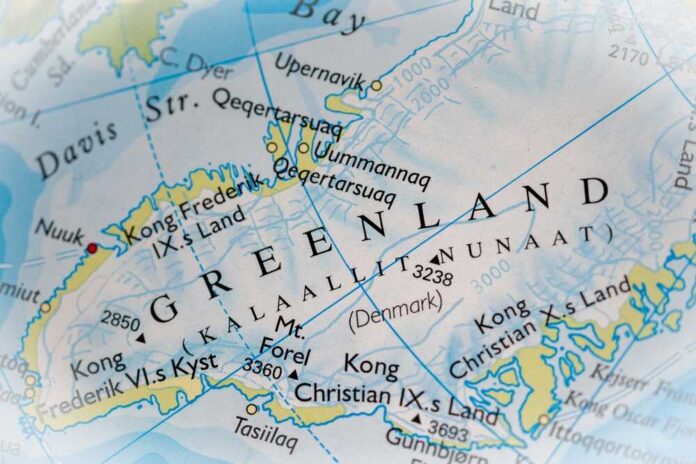
A renewed push to annex Greenland threatens to strain U.S. relations with Denmark, sparking international debate on sovereignty and global strategy.
Story Highlights
- Trump’s threats to annex Greenland raise concerns over U.S. foreign policy.
- Denmark and Greenland leaders assert their territory is not for sale or annexation.
- Escalating rhetoric results in strained NATO relationships and Arctic military buildups.
- Strategic interests in Greenland’s resources and location drive U.S. ambitions.
- Global reactions highlight potential geopolitical shifts and ally tensions.
Trump’s Greenland Agenda Sparks International Tension
In recent months, President Donald Trump’s administration has reignited international controversy by threatening to annex Greenland, a move that has met staunch opposition from Denmark and Greenland’s leaders.
Danish Prime Minister Mette Frederiksen and Greenlandic officials have publicly declared that their territory is “not for sale” and condemned the notion of annexation. This provocative stance has raised concerns about U.S. foreign policy priorities under Trump’s leadership.
The prime ministers of Greenland and Denmark called on President Donald Trump to stop threatening to take over the autonomous territory for its resources and "national security situation."https://t.co/q3a0fWUmQf
— WSBT 22 (@WSBT) January 5, 2026
Trump’s renewed interest in Greenland appears rooted in strategic considerations. The autonomous Danish territory is rich in untapped minerals and holds a critical Arctic position, which is enticing for a U.S. administration focused on countering Russian and Chinese influence in the region.
The President’s allies, such as Katie Miller, have amplified the administration’s rhetoric by posting provocative images on social media, further intensifying diplomatic tensions.
Denmark and Greenland’s Firm Stance
Denmark has responded to the U.S. threats with a significant military buildup in the Arctic, emphasizing its commitment to defending its sovereignty. In a New Year’s address, Prime Minister Frederiksen highlighted the importance of maintaining strong alliances and condemned the aggressive posturing from a historically close ally.
Greenlandic leaders have echoed this sentiment, with Foreign Affairs officials rallying defense efforts against any attempts to undermine their autonomy.
The relationship dynamics between the U.S. and Denmark are complex, given the strategic partnership within NATO. However, Trump’s actions risk alienating Denmark, a key Arctic ally, and could potentially drive a wedge in NATO’s unified front. This situation underscores the delicate balance of power and the geopolitical stakes involved in Arctic sovereignty and security.
Geopolitical Implications and Strategic Interests
The potential annexation of Greenland carries significant geopolitical implications. In the short term, it could lead to friction within NATO and prompt a Danish military surge. Long-term effects may include accelerated Greenlandic independence movements and increased Russian and Chinese influence in the Arctic.
The U.S. administration’s focus on Greenland also highlights the nation’s broader strategic priorities as it seeks to assert dominance in critical global regions.
Economic and political impacts are also at play, with Denmark pledging substantial defense investments and highlighting the potential for strained U.S.-EU relations. The situation has drawn varied reactions from international stakeholders, with some viewing it as a necessary security measure and others as reckless posturing that risks valuable alliances.
Sources:
Denmark Urges Trump to Stop Threatening to Annex Greenland
Trump Announces Chilling Timeline for Greenland Deal
Seizing Greenland: Worse than a Bad Deal
Proposed United States Acquisition of Greenland