A massive Walgreens nasal spray recall exposes serious FDA oversight gaps, raising alarms about product safety under government regulation.
Story Snapshot
- FDA recalls over 41,000 bottles of Walgreens nasal spray for contamination risk.
- Potential exposure to pseudomonas lactis bacteria could cause adverse health effects.
- Recall highlights lingering concerns about regulatory effectiveness following years of bureaucratic mismanagement.
- CDC issues updated flu season guidance and vaccine recommendations amid ongoing product safety issues.
FDA Recall of Walgreens Nasal Spray Raises Oversight Concerns
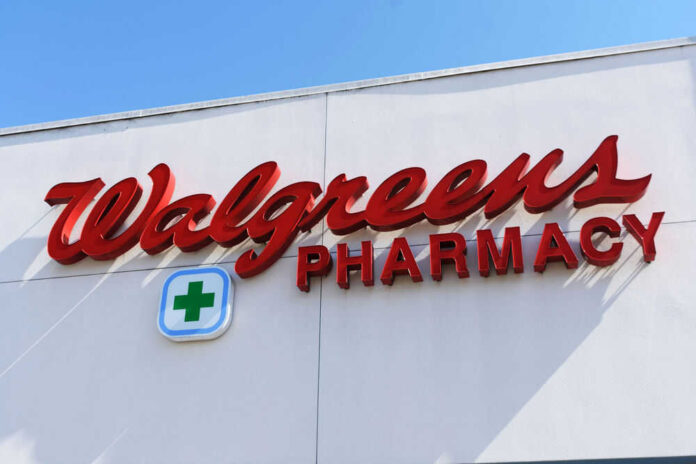
In November 2025, the Food and Drug Administration (FDA) announced a recall of 41,328 Walgreens Saline Nasal Spray bottles due to contamination fears. The affected product, containing Xylitol, may be tainted with pseudomonas lactis, a bacterium typically found in raw milk. While the recall was voluntary, it was classified as Class II, meaning users could face temporary or medically reversible health consequences. The FDA’s action underscores persistent issues with product safety oversight, a concern that resonates with Americans wary of government overreach and lax regulatory standards.
💊 CHECK YOUR CABINET: The FDA announced a recall of 41,000+ bottles of Walgreens Saline Nasal Spray with Xylitol over possible bacterial contamination.https://t.co/vHsbLtvj3F
— Fox News (@FoxNews) November 25, 2025
Recall Process and Public Health Implications
Walgreens has advised anyone in possession of the contaminated nasal spray to avoid use and return the product for a full refund. The recall applies to two specific lots, with expiration dates set for February and August 2027, affecting stores nationwide. Despite assurances from Walgreens and the FDA, authorities have not disclosed how the contamination occurred, leaving critical questions about supply chain transparency and government accountability. For many, this incident is a stark reminder of the risks posed by bureaucratic mismanagement that can undermine consumer trust and safety.
Contamination Classifications and Regulatory Shortcomings
The FDA’s decision to issue a Class II recall indicates that while the probability of serious adverse health consequences is considered remote, the risk remains significant for vulnerable populations. This episode highlights ongoing regulatory shortcomings, as Americans continue to grapple with the effects of past administrations’ expansive and inefficient health policies. The Trump administration’s promise to rein in overregulation and protect American consumers is particularly relevant, given these recurring failures in product safety oversight. Conservative observers argue that robust, common-sense regulatory reform is essential to restoring faith in federal agencies.
CDC Flu Season Guidance and the Need for Accountability
Amid the recall, the Centers for Disease Control and Prevention (CDC) updated its flu season guidelines in August 2025, recommending vaccination for all individuals six months and older, especially those at higher risk of complications. The CDC also urges frequent handwashing and isolation for sick individuals to stem flu transmission. However, the juxtaposition of government health recommendations with regulatory lapses in product safety reinforces the need for accountability and transparent leadership. Conservative Americans demand that federal agencies prioritize citizen welfare and uphold rigorous standards, rather than perpetuating bureaucratic inefficiency.