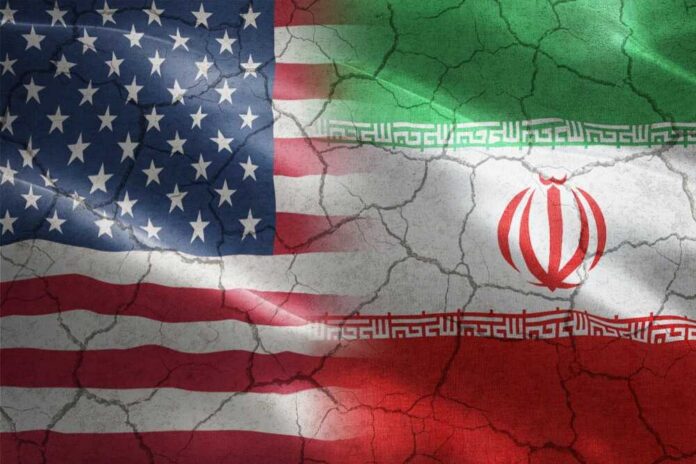
War in Iran has turned America’s gas pumps into cash machines for Big Oil — and President Trump just said he “doesn’t like it.”
Story Snapshot
- Trump says ExxonMobil and Chevron made “too much money” off war-driven oil prices.
- Both companies reported giant second-quarter profits as crude prices spiked.
- Trump demands they “give some of that back” and cut consumer fuel prices.
- The clash exposes a deep tension between free markets and fair treatment for drivers.
Trump’s public rebuke of Big Oil’s war windfall
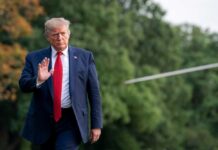
President Trump sat in the Oval Office and did something most Americans rarely see: he turned his fire on two of the country’s biggest corporate allies, ExxonMobil and Chevron. He said they were “making too much money based on a shortage” created by the war with Iran and the hit to global crude supplies.
Then he added the line that grabbed headlines and talk shows alike: “I don’t like it.” For a president who calls himself a “big free enterprise guy,” that is not a small statement.
Trump’s criticism came just days after ExxonMobil and Chevron reported second-quarter profits that would make most chief executives blush.
ExxonMobil said it earned about $14.5 billion between April and June, roughly double its profit from the same period a year earlier. Chevron posted about $12 billion, nearly a fourfold jump from the prior year’s quarter.
Those numbers were not driven by some new miracle technology. They were driven by war. The U.S. and Israel’s strikes on Iran in February choked flows through the Strait of Hormuz and pushed global oil prices sharply higher.
What drove profits up while drivers paid more
Oil markets are simple in one way: when supply is tight and demand stays strong, prices climb fast. That is exactly what happened after the Iran conflict began.
Crude prices jumped and stayed elevated, and U.S. gasoline prices climbed more than 30 percent nationwide. Refiners and integrated oil giants did not have to game the system to benefit.
They pumped and refined the same barrels, but each barrel was suddenly worth far more. War risk, shipping disruptions, and fear of future shortages all baked into the price that drivers saw at the pump.
President Trump says that despite high oil prices, companies like Chevron and Exxon Mobil are making "too much money," amid the U.S. — Iran war: "I don't like it… They ought to give some of that back to the public." pic.twitter.com/pcYg3BlsRf
— CSPAN (@cspan) August 3, 2026
From a market perspective, ExxonMobil and Chevron were doing what they always do: selling into a global price that traders, not presidents, set each day.
From a kitchen-table perspective, though, millions of Americans saw something very different. They saw $4-plus gasoline and quarterly profit headlines in the tens of billions.
Trump tapped that anger when he said, “When you look at one company, where they made 12 times what they made the year before, they ought to give some of that back to the public.”
Trump’s demand: give money back and cut pump prices
Trump did more than complain. He set an expectation. He said ExxonMobil and Chevron “are going to give some of that back to the public and they better cut the retail price, the consumer price.” That is not a legal order; it is a political warning.
The message is clear: enjoy a war windfall, but do not squeeze American families when they are already paying for the conflict through higher prices and the risk to U.S. troops. That attitude lines up with a long instinct that special gains tied to crisis should not turn into permanent pain for ordinary citizens.
🇺🇸⛽ BREAKING NEWS: U.S. gasoline prices have surged over 37% since the Iran war began in late February , with the national average reaching approximately $4.10 per gallon — a jump from around $2.98 before the conflict .
🏛️💰 President Trump has publicly condemned ExxonMobil… pic.twitter.com/9YzptTSssE
— The World Correspondent (@TheWorldCorresp) August 4, 2026
Oil executives will argue, with some truth, that they cannot just “decide” the price on every corner station. Fuel prices reflect crude costs, refinery margins, taxes, and local competition. Yet Trump’s point is less technical and more moral.
When profits multiply overnight because a war closed a key waterway, a responsible company can choose to share that spike. It can trim margins, slow shareholder buybacks, or pass a little relief to the trucker and the suburban mom filling up twice a week.
Free enterprise and war
This clash drops right into a familiar American debate: can you support free markets and still call out what looks like war profiteering? Trump’s answer, at least in these comments, is yes. He likes high output, strong companies, and American energy independence.
But he also knows voters do not accept a system where a foreign conflict sends their gas bill soaring while a handful of corporations quietly post record earnings. For many, there is nothing anti-capitalist about saying, “You crossed a line.”
War always creates winners and losers. In this case, drivers and small businesses paid more, while giant oil companies cashed in without drilling a single extra well. Trump’s push for them to “give some of that back” reflects a deeper belief that markets serve a nation, not the other way around.
He is not calling to seize profits or set prices by decree. He is using the bully pulpit to shame companies into matching their patriotism to their balance sheets. In a time of conflict, that is a test every major industry should expect to face.
Sources:
cnbc.com, thenationalnews.com, finance.yahoo.com, aol.com, theguardian.com