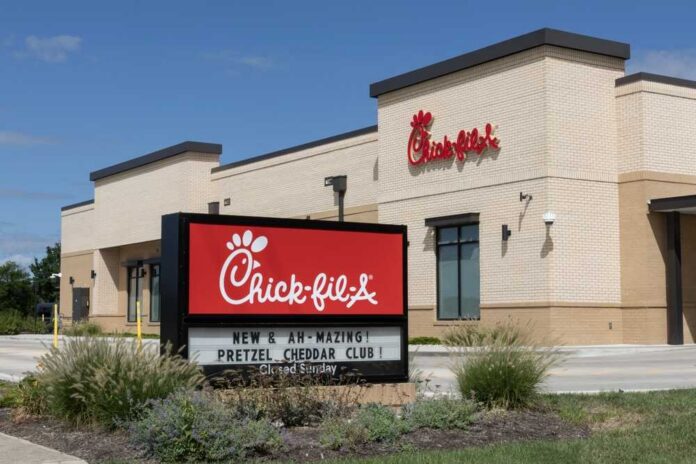
Chick-fil-A drew a clear line in the drive-thru lane: people will take your order, not a bot.
Story Snapshot
- CEO Andrew Cathy said Chick-fil-A will not use artificial intelligence for drive-thru orders.
- The company ties the decision to its core promise of human hospitality.
- Rivals test voice bots, but many restaurants still avoid customer-facing automation.
- Chick-fil-A keeps people at the order point through Face-to-Face Ordering.
Chick-fil-A rejects AI drive-thru ordering to protect hospitality
Chick-fil-A Chief Executive Officer Andrew Cathy said the chain does not plan to use artificial intelligence to take drive-thru orders. He linked the decision to the company’s focus on human warmth and service, saying the brand wants hospitality to stay “human to human” and will not swap that moment with technology. The message lands as many competitors pilot voice bots. Chick-fil-A chose a different path and tied it to its identity, not a short-term cost play.
Company press materials show this stance is not new. Chick-fil-A’s drive-thru playbook already centers people at the point of order. The chain’s Face-to-Face Ordering puts team members outside with tablets to greet drivers, take orders, and speed the line, while the kitchen systems run in sync. The brand’s 2023 design update said technology should “elevate the human touchpoints,” and guests can still choose to order from a person even in digital-forward lanes.
Competitors chase speed with bots while customers still value people
Restaurant operators have tested voice bots in drive-thrus to cut wait times, reduce errors, and ease staffing gaps. Yet industry data shows adoption of customer-facing artificial intelligence remains limited. Only a small share of restaurants use artificial intelligence to take customer orders today, even as interest in broader artificial intelligence tools rises across the sector. That pattern backs the idea that many brands see risk in automating the exact moment a guest feels the service.
Chick-fil-A’s move fits that pattern. Chains often adopt artificial intelligence where guests do not see it: forecasting, staffing, and menu optimization. Voice bots at the speaker box sit on the edge of this comfort zone. The payoffs can look obvious on a spreadsheet. The tradeoffs show up in tone, empathy, and trust when orders get complex. Chick-fil-A is betting that a cheerful human beats a fast script when families want dinner done right.
The business case: brand equity over marginal throughput gains
Chick-fil-A has built one of the strongest reputations in fast food on friendly service and clean operations. The drive-thru is the main stage. Face-to-Face Ordering keeps lines moving while keeping smiles front and center. The company says technology should support, not replace, these touchpoints. That approach aligns with conservative common sense: invest in tools that help people do great work, and keep people where judgment, warmth, and accountability matter most.
Rivals will claim automation means progress. Yet progress should serve the customer first. If a bot speeds the line but makes guests feel ignored, the brand pays later. Chick-fil-A’s stance reflects confidence in its model. It also pressures vendors to prove real guest value, not just pitch cost cuts. Shareholders often want faster throughput. Loyal customers want to be known. The company is siding with the customers who show up every week.
What this does and does not say about AI at Chick-fil-A
Cathy’s comments leave room for artificial intelligence behind the scenes. The company can still apply artificial intelligence to demand forecasting, scheduling, prep timing, and routing orders to kitchens. Those uses can boost accuracy and reduce waste without changing the guest moment. The line is clear: don’t hand the microphone to a bot. Keep the welcome and the order with a person who can read a mood and fix a miss fast.
While most eyes are on AI, Chick-fil-A is focused on the human connection. CEO Andrew Cathy says the company wont use AI in drive-thru lanes, keeping hospitality personal even as competitors automate. #AI #Leadership #CustomerExperience https://t.co/zya3yrB8L0
— Alexander Soto (@asoto171) October 5, 2026
That clarity helps franchisees and staff. It sets a test for new tools: Does this make our people better at serving guests? If yes, try it. If it removes the human from the most human moment, pass. Many operators will watch the scoreboard. If Chick-fil-A holds its speed, raises accuracy, and grows loyalty without voice bots, others may follow. If rivals prove bots can be kind, clear, and quick, the debate will reopen.
Sources:
foxbusiness.com, cnbc.com, chick-fil-a.com