Australian budget airline Jetstar is about to put a price on something most flyers always assumed came free: the space above your head.
Story Snapshot
- From February 2027, Jetstar will charge most passengers to use overhead lockers for carry-on bags.
- Only one small bag that fits under the seat in front stays free on standard fares.
- Overhead locker access will be sold as “Priority Carry-on,” starting around A$25 on domestic routes and up to about A$52 on longer international flights.
- Jetstar says this change will cut stress, end gate weigh-ins, and help flights leave on time, but many travelers see it as another fee grab.
Jetstar turns overhead space into a paid extra
Jetstar is reshaping the basic economy flight in a way many travelers will feel the moment they step on board. Starting 2 February 2027, the airline will scrap its long-standing free 7 kilogram carry-on allowance and replace it with a size-based system that splits bags into two clear groups: one free bag under your seat, and a paid bag in the overhead locker. The core reality is simple: the locker above your row is no longer part of your base ticket.
Every booking will still include one small personal item, such as a handbag, laptop bag, or compact backpack, as long as it fits under the seat and within new size rules of 40 by 30 by 20 centimeters.
Anything larger that needs the overhead locker becomes an “upgrade” called Priority Carry-on, tied to set dimensions of 56 by 36 by 23 centimeters and a per-item weight cap of 10 kilograms. The new model changes how people pack and how they think about short trips.
Australian airline Jetstar will charge passengers to use overhead lockers for their bags https://t.co/YgJ4QHpGqq pic.twitter.com/ncSuXXpoA0
— New York Post (@nypost) August 5, 2026
How much the overhead locker will cost you
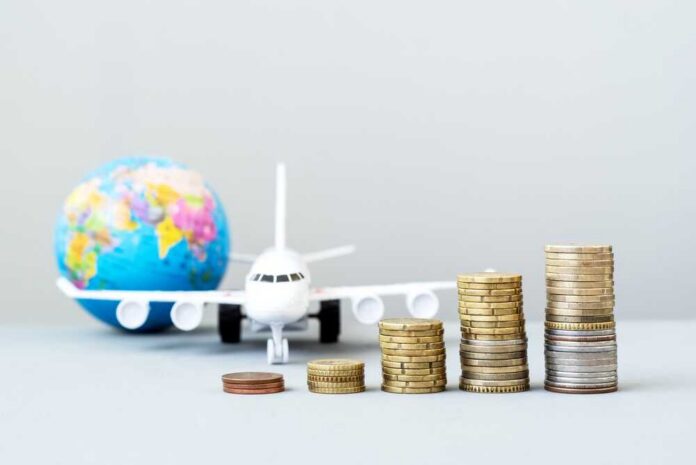
Jetstar’s overhead fees will vary by route, but early examples give a clear sense of the hit to the wallet. On shorter domestic flights, such as Launceston to Sydney or Adelaide to Brisbane, overhead locker access will start around A$25 for a one-way trip.
On longer international routes, including popular leisure flights such as Cairns to Tokyo, the fee is expected to begin near A$52, with prices able to rise based on demand in the same way airfares do.
These Priority Carry-on fees buy two things at once: a reserved slice of locker space and priority boarding, so those who pay get on the plane earlier and claim space without a mad scramble. That bundle is classic budget airline design.
Travelers with tight schedules or valuable gear will feel pressure to pay, while those trying to save money will be pushed to shrink their bags or check luggage instead. The locker becomes less a shared resource and more a product.
Jetstar’s case: less stress, faster boarding, aligned with low-cost peers
Jetstar defends the change using a language every frequent flyer knows well: “stress,” “simplicity,” and “on-time performance.” The airline says it made the decision after extensive research and feedback from customers and crew, who pointed to two big pain points: having bags weighed at the gate and fighting for overhead space once on board.
Chief executive Stephanie Tully argues that by focusing on bag size instead of weight and selling defined locker slots up front, staff can stop policing scales and start boarding sooner.
The company also frames the move as catching up to global budget carriers that already treat the overhead locker as a paid extra. From their point of view, the headline fare stays low, and travelers “pay for what they need” instead of cross-subsidizing heavy packers.
Travelers push back on the new fee culture in the cabin
Many Australian travelers do not see this as smart optimization; they see one more way to squeeze families and workers who already feel nickelled and dimed by modern flying.
Social media reactions and press coverage show frustration and disbelief, with critics calling the change “silly, unfair, unnecessary” and vowing to avoid Jetstar when possible. For them, the overhead locker is part of basic safety and comfort, like a seatbelt or air conditioning, not a luxury extra you bid for like concert parking.
🟠 JETSTAR WILL START SELLING YOU THE OVERHEAD LOCKER FROM 2 FEBRUARY 2027, SO WE PRICED A REAL SYDNEY TO MELBOURNE TRIP TO SEE IF THE CHEAP FARE IS ACTUALLY CHEAP 🟠
Jetstar boss Steph Tully says the change helps "keep our fares low". We booked nothing and priced everything,… pic.twitter.com/aziOOS0nwD
— One News Australia (@OneNewsAu) August 5, 2026
Parents hauling baby gear, older travelers who cannot easily check bags, and workers on tight trips have limited choices. They either pay the new fee, risk delays at the gate if they misjudge bag size, or add time and cost at check-in to use the hold.
Angry letters and commentary already warn that what starts with locker fees today could spread to more cabin basics tomorrow, if customers do not push back.
What this change signals about the future of budget flying
Jetstar’s overhead locker policy fits a wider pattern in aviation where airlines unbundle more and more pieces of the trip. First it was checked bags, then seat selection, then food, now cabin space itself.
Each step is sold as “choice” and “simplicity,” yet it also quietly moves familiar parts of flying from included to paid, testing how far customers will go to chase a low headline fare. This locker fee is not random; it is the next logical frontier for a business model built on add-ons.
For travelers, the message is clear. Budget flying is shifting from “what is included?” to “what do I have to buy back to stay sane?” Consumers will look past the sticker fare to the full trip cost, including cabin bags, and compare that to more traditional airlines that still bundle overhead space into the ticket.
Jetstar is betting that most people will grumble but adapt. Whether that bet pays off will show just how much value people place on that small bit of free space above their seat.
Sources:
nypost.com, mothership.sg, jetstar.com, youtube.com, news.com.au, dailymail.com, english.mathrubhumi.com, instagram.com