President Trump publicly backed calling New Mexico “New America,” turning a one-liner into a headline-grabbing naming fight that spotlights power, pride, and the limits of federal reach.
Story Snapshot
- Trump posted a map and message urging “New America” for New Mexico.
- He followed with multiple posts, keeping the spotlight on the idea.
- The federal government can shift names on maps, but not a state’s legal name.
- Naming fights tie to larger battles over identity and executive power.
What Trump Posted And Why It Caught Fire
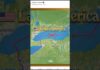
President Trump wrote that “many people suggested” changing New Mexico’s name to “New America,” calling it “more prestigious” and saying he loved the idea. He paired it with a graphic striking “Mexico” and inserting “America” on a state map.
National outlets noted he then hammered the theme with several more social posts in a short burst, a tactic that often shapes a multi-day news cycle by design. Local coverage in New Mexico amplified the image and wording.
The message landed because it fit a pattern. Trump has used naming as a fast, symbolic flex that signals priorities and draws battle lines.
He has ordered changes for federal usage before, like the “Gulf of America” directive tied to the Department of the Interior, placing renaming inside his broader America-first branding. Social media thrives on simple visuals and strong verbs. A crossed-out “Mexico” and bold “America” is built to travel.
The Line Between Maps And Law
The federal government can standardize what appears on federal maps and documents through the United States Board on Geographic Names and Interior Department orders.
That process can move quickly when a president points the way, which is why recent waterbody and landmark renamings showed up across federal products soon after orders dropped. But a state’s official name is a different animal. Changing that sits with the state and its constitution, not Washington, D.C..
Presidents can push, prod, and set the tone. They cannot by themselves rewrite a state’s name. Coverage walked through that bright line while still noting how White House direction affects what federal agencies print, what maps say, and what the public sees every day. That is how symbolic fights shape reality on the margins without touching the core legal identity.
Why This Push Resonates With Supporters And Critics
Supporters see a branding clean-up that centers American identity and shrugs off confusion with our southern neighbor. They hear a leader who speaks plainly and forces big media and blue-state officials to respond on his terms.
On the facts, Trump has used executive tools before to reframe places in a patriotic light, and he has legal lanes to do it across federal channels.
Trump proposes renaming New Mexico to 'New America' https://t.co/E1WGZN3sPP via @thecentersquare
— Donald M Wiencek (@WiencekDonald) September 8, 2026
Critics argue the state name talk is a distraction and note that states own their names. They also warn against federal muscle that bypasses public input.
The process for geographic names usually runs through petitions and case-by-case reviews, even when an administration turns the knobs faster. Fair point on paper, but politics is not a seminar.
The audience here is the public, not a docket. Trump’s method forces a yes-or-no conversation that voters understand in one glance.
What Changes Next, And What Does Not
Expect agency style guides and certain federal map layers to continue shifting where orders apply, because that is within reach and has precedent. Expect “New America” to live online and in campaign rhetoric as a shorthand for a bigger identity argument.
Do not expect New Mexico’s legal name to change because that must start in Santa Fe, not Washington, and state leaders already pushed back hard in public forums. The net effect is cultural pressure, not constitutional revision.
Here is the blunt takeaway. Words on maps move people and budgets. Labels shape how kids learn, how tourists travel, and how newsrooms frame the country.
The president chose a high-contrast label fight that keeps attention on his themes: national pride, executive action, and drawing sharp lines with opponents.
Whether you cheer or roll your eyes, the playbook works because the stakes are felt every time someone opens a map or a phone. That is not a meme. That is power, spelled out.
Sources:
usatoday.com, forbes.com, indiatv.in, nypost.com, scholarlycommons.law.northwestern.edu, doi.gov