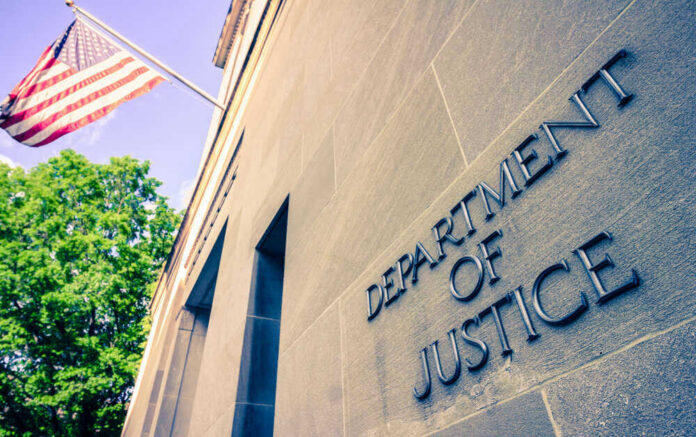
The Justice Department has moved its beef price probe from the slaughterhouse to your shopping cart.
Story Snapshot
- Justice Department broadened an antitrust inquiry to eight major retailers over beef prices.
- Investigators already had an active case focused on the cattle and beef markets.
- The original theory centered on dominant meatpackers that control most U.S. processing.
- The expansion fits a wider push on food pricing across the supply chain.
Justice Department Puts Big Retail Under the Microscope
The Department of Justice sent letters to eight retail giants about rising beef prices. The list includes Walmart, Costco, Amazon, Kroger, Publix, Albertsons, Aldi, and Ahold Delhaize USA.
Associate Attorney General Stanley E. Woodward Jr. authorized the outreach, which marks a new phase in the beef pricing probe. News outlet reports say the letters ask about recent price increases at the register and related practices retailers use to set, monitor, and pass through costs.
🇺🇸 The Justice Department has sent inquiries to major grocery chains including Walmart, Costco, Kroger, Aldi, Publix, Albertsons, Amazon and Ahold Delhaize as part of its investigation into rising beef prices.
The probe is examining whether pricing practices or anticompetitive… pic.twitter.com/DZOG7o6ttC
— NewsForce (@Newsforce) September 2, 2026
The department had already confirmed an active investigation into possible antitrust violations in cattle and beef markets. Officials described a wide review of documents and interviews across the supply chain.
The focus includes possible collusion, price fixing, and other anticompetitive conduct that could raise prices for families or squeeze ranchers. Those facts matter because the new retail angle builds on an existing effort rather than starting from scratch.
From Meatpackers to the Aisle Label: Why the Target Expanded
The first phase centered on the four large meatpackers often called the “Big Four.” Those firms—JBS, Cargill, Tyson Foods, and National Beef—control a very large share of U.S. beef processing. Reporting pegs that share above 80 percent.
That level of control can shape how prices move from feedlot to wholesale, then to the store shelf. Investigators now want to see whether anything at the store level added fuel to the final price consumers pay.
Federal attention tends to rise when food prices jump and markets look concentrated. Beef fits that pattern. Officials across administrations have revisited the same question for decades: did market power or coordination, upstream or downstream, push prices above competitive levels?
The current expansion to retailers sits inside a broader food-price effort that has also touched eggs, pork, and poultry. The goal is to map how prices form across each link in the chain.
What Investigators Likely Want From Retailers
Retailers set prices using data, supplier contracts, and local competition checks. Investigators will likely seek internal pricing playbooks and vendor terms. They may ask how retailers used category management, private labels, promotions, and fees.
They will test if beef margins rose faster than input costs. They will also check whether benchmarking tools or shared datasets lined up across rivals in a way that looks like coordination rather than normal competition. That is where antitrust risk can hide.
The Trump Justice Department antitrust team widened a probe of eight grocery giants over high beef prices.
Kroger, Publix, Walmart, Albertsons, Aldi, Ahold Delhaize USA, Costco, and Amazon are on the list. Officials called beef prices a priority. pic.twitter.com/1BX4RsFQcH
— Andrew Alvarez (@theOGalv) September 2, 2026
Common sense says high prices alone do not prove illegal conduct. Droughts, feed costs, plant disruptions, and inflation can also raise beef prices. But the department’s job is to separate weather and cost shocks from any human-made edge that breaks the law.
That is especially true when a handful of packers dominate processing and a few large chains sell most groceries in many regions. The burden sits with the government to find facts that show an agreement or conduct that harms competition.
Why This Matters to Shoppers, Ranchers, and Small Grocers
Shoppers want lower prices and real choice. Ranchers want fair bids and steady demand. Small grocers want a level field against national chains. If the probe finds unlawful coordination, tougher remedies could follow.
That might include fines, conduct limits, or changes to how data and contracts flow in the meat case. If the probe clears the market, that result also matters. It would point policy back to supply resilience, more capacity, and less bottleneck risk when shocks hit beef supply.
The Road Ahead: Speed, Proof, and Policy
The department has reviewed millions of documents and held many interviews already. The new letters suggest more subpoenas and depositions to come. Expect a methodical process that tests numbers first, then narratives.
Families plan budgets weekly. Ranchers plan herds years ahead. Certainty on the rules can help both sides act with confidence.
Sources:
foxbusiness.com, newsweek.com, abc3340.com, jdsupra.com