
Americans plan to drop a staggering $13.5 billion on Halloween, and the receipts will show where the fright really comes from: prices and passion colliding in one night.
Story Snapshot
- The National Retail Federation projects $13.5 billion in Halloween spending based on a national consumer survey.
- Decorations, costumes, and candy together make up the bulk of the total.
- Media coverage ties higher Halloween costs to pricier chocolate and shipping.
- The series tracks planned spending, not audited transactions; treat it as intentions.
NRF’s Forecast: Big Night, Bigger Bill
The National Retail Federation said consumers plan to spend $13.5 billion on Halloween this year, based on its annual survey with Prosper Insights and Analytics. The survey asked 7,889 people about their plans in early September and reported a margin of error near one point. The group shared category totals across candy, decorations, costumes, and cards that align with the overall number, showing where wallets will feel the squeeze most. One survey-based projection guides retailers’ playbooks every fall.
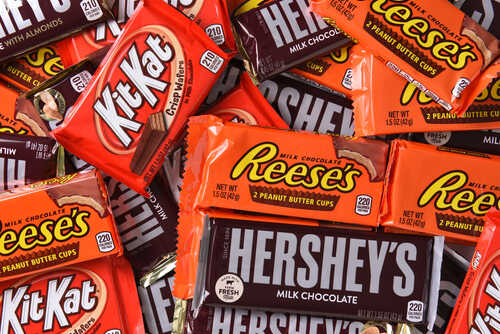
CBS News amplified the headline and connected it to everyday pain points. Reporters pointed to rising cocoa costs, higher shipping rates, and other inputs that push shelf prices up. That pressure lands where families notice it most: candy bags, porch decor, and simple add-ons that make a yard pop. The story is not only about more people celebrating. It is also about what each item now costs when you tap or swipe at checkout.
Where The Money Goes: Candy, Costumes, And Yards That Glow
Decorations and costumes compete for the top share of spending, with candy close behind, according to the National Retail Federation breakdown. That mix tracks how people celebrate at home and in their neighborhoods. Twelve-foot skeletons and animated ghosts do not come cheap. Neither do full-family costumes or last-minute party fixes. The retail play is simple: stock early, price to demand, and ride the weekend before October 31. Households lean into fun even when budgets feel tight.
Participation trends support the tilt toward visual flair. Earlier National Retail Federation releases showed rising interest in celebrating and spending over the past few years, with earlier peaks and steady momentum. The pattern suggests that Halloween has become a mini-season. Shoppers start weeks ahead to grab hot items before they sell out. Retailers answer with end-caps of candy, aisles of props, and theme zones that make it easy to say yes. The upsell lives in the glow of a yard at dusk.
Prices Drive The “Record” Feel
Sticker shock plays a starring role. CBS linked pricier candy to global cocoa shortages and shipping friction that bumps costs across the supply chain. Families notice when a fun-size bag costs more than last year. Retailers know it too. Many lean on promotions to keep baskets full and avoid a last-minute slump. The headline total sits in dollars, not pounds of chocolate or counts of costumes. That means higher prices alone can lift the final tally even if units stay flat.
🔴 U.S. Halloween spending hits record $13.5B; candy up 3.5%, chocolate up 8%
Americans will spend a record $13.5 billion on Halloween in 2026, with candy alone accounting for $4.1 billion, according to the National Retail Federation. A 100-piece bag of assorted candy costs an… pic.twitter.com/mphyGOpv1R
— NewsTongue (@NewsTongueX) October 26, 2026
One fair caveat: the National Retail Federation number reflects what consumers say they plan to spend, not what later shows up in bank statements. Plans can change with weather, paychecks, or sold-out items. Still, the series has history. Stores set orders and staffing with these signals. The public takeaway is clear. Expect crowded aisles, strong decoration displays, and candy deals that appear and disappear fast. Families will chase value, but many will still make October 31 feel big.
What It Means For Households
Shoppers can beat the price creep with three moves. Buy earlier, when shelves are full, and promotions run deeper. Bundle needs across stores to hit free shipping or in-store pickup deals. Choose a few high-impact pieces and reuse them next year, then let candy buys float with the best weekly price. This is common-sense budget defense that fits any income. It respects both the fun of the holiday and the reality at the register. A little planning keeps the scares on the lawn, not in the wallet.