

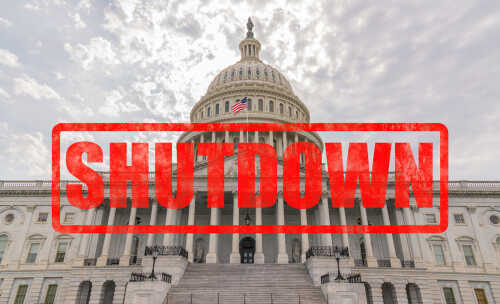
President Trump said he’ll “become Mr. Veto” if Democrats win Congress, and he explained exactly how that forces a deal.
Story Snapshot
- Trump pledged to veto Democratic bills to drive them to the table.
- The Constitution lets a president block bills unless two-thirds of both chambers override.
- Overrides are hard; Congress needs supermajorities, not simple votes.
- Democrats say they could use must-pass spending to gain leverage.
Trump’s Stated Play: Veto First, Negotiate After
President Trump laid out a simple sequence. Democrats pass bills. He vetoes them. After a month or two of dead ends, they sit down and cut a deal. He said, “I’ll probably become Mr. Veto,” and described the cycle as “veto, veto, veto,” then negotiations. The message was not chaos for its own sake. It was leverage. He framed gridlock as a tool to shape the final bill, not as surrender to a hostile Congress.
The tactic relies on a pressure point built into the law. The Constitution says a bill does not become law if the president vetoes it unless two-thirds of the House and two-thirds of the Senate vote to override. That bar is far above a routine majority. It raises the cost of passing party-line bills and pushes both sides toward a bargaining range where a signature is possible or an override is realistic.
Why The Veto Is Real Power, Not Just Rhetoric
Congressional references spell out the math. Overriding a veto demands two-thirds of Members present in each chamber, with a quorum. Regular bills need only a simple majority. That supermajority rule gives any president in divided government a sturdy shield. Skeptics can argue tone, but they cannot wish away the numbers. If Democrats lack two-thirds, the White House can block their agenda unless they fold in Republican votes or adjust to earn a signature.
History backs the leverage claim, even if outcomes vary. Constitutional commentary and congressional records show the veto as a core check that often stands. Across eras, Congress rarely musters repeated supermajorities to grind down a president. That does not prove every veto sparks a deal. It does prove the president holds a reliable stop sign that forces choices: change the bill, build a broader coalition, or watch it die.
The Limits: Spending Deadlines And Must-Pass Bills
Opponents say the government still needs to function. They point to spending as the place Democrats can drive terms. Democratic strategist Jim Manley argued that a new House could pass bills, push priorities like ending the Iran conflict and protecting Medicaid and food aid, and tie asks to must-pass measures. The logic is clear: if the lights must stay on, the side willing to hold the line can try to trade funding for policy.
🚨 BREAKING: President Trump announces his plans if Democrats win the midterms
"I'll become — MR. VETO."
"They will send stuff up?"
"And I'll VETO IT."
"But hopefully, we don't have to worry about that!" 🔥
Vote red anyway so it doesn't happen!
A Democrat House means two… pic.twitter.com/q7PgoCaqfu
— Eric Daugherty (@EricLDaugh) November 1, 2026
This is the tug-of-war to watch. A veto blocks a partisan bill cold; a funding clock creates heat for both sides. Trump’s stance signals he will not sign a bad bill just to avoid headlines. That aligns with conservative instincts: spend less, focus the state, and refuse larded packages. The counter is that shutdown politics can backfire in public opinion. Both claims can be true. The winner is usually the side that prepares early, communicates clearly, and stands on common-sense terms voters accept.
What “Getting Things Done” Looks Like Under Gridlock
Trump’s pledge explains how to stop laws he opposes. It is thinner on how to pass new laws he wants. That is not a flaw in the veto; it is the nature of divided government. The path forward runs through three lanes. First, force edits to Democratic bills until they meet key tests on spending, border security, energy, and crime. Second, attach modest bipartisan items to must-pass vehicles that will reach his desk. Third, use executive authority within the law while Congress argues.
The biggest open question is not legal but political: seat counts and coalitions. The override threshold rules everything. If Democrats hold majorities but fall short of two-thirds, Trump’s shield is strong. If they build cross-party supermajorities on select issues, they can punch through. Early signals suggest Democrats would use the budget to press their case, but even there, a determined White House can send a veto back and force a cleaner bill or a narrower deal.
Bottom Line: Leverage Beats Noise
Trump told voters exactly how he would handle a hostile Congress, and the Constitution backs the plan. A veto is not a tantrum; it is a tool to demand better bills. Critics say must-pass deadlines will squeeze him. Maybe. But Congress still needs two-thirds to beat a veto, or they need to meet him where the votes are. That is why this fight, if it comes, will not be about slogans. It will be about numbers, time, and who blinks first.
Sources:
nypost.com, bloomberg.com, senate.gov, constitution.congress.gov, congress.gov, archives.gov, forbes.com, politicalwire.com, thestatesman.com