
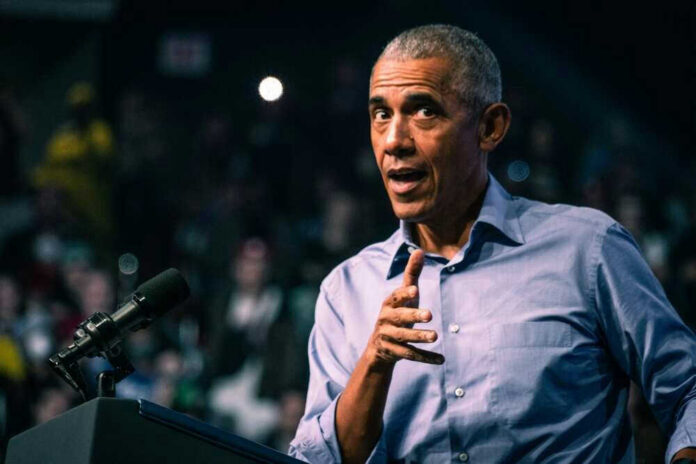
Barack Obama jumped into Kentucky’s biggest race with four words meant to move votes: “I’m proud to support Charles Booker.”
Story Snapshot
- Obama endorsed Democrat Charles Booker for the United States Senate on November 1, 2026.
- The statement said Booker understands Kentucky working families and can drive real change.
- The move came two days before Election Day in a race to replace Mitch McConnell.
- Booker, running against Republican Representative Andy Barr, welcomed the boost.
What Happened And Why It Matters Now
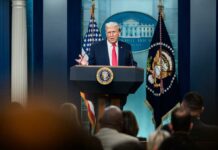
Barack Obama endorsed Charles Booker for the United States Senate in Kentucky on Sunday, November 1, 2026, two days before voters cast ballots. The endorsement arrived with a clear line: Obama said Booker cares about Kentuckians and would fight for working families in Washington. Several outlets reported the same language and timing, confirming the message and the stakes. The seat opened after Senator Mitch McConnell announced his retirement, setting up a high-profile fight.
Booker faced Republican Representative Andy Barr in a contest shaped by national figures and local concerns. Obama’s late statement put a familiar Democratic brand on the ticket in a state that leans red in federal races. Booker called the support humbling and said his campaign was “fired up” and ready to bring “common sense” to the Senate. Late endorsements can energize volunteers, feed local news, and tighten a closing argument in a noisy final weekend.
How The Endorsement Landed In Kentucky
News organizations in Kentucky and nationwide carried the endorsement and quoted Obama’s words. Reports tied the statement to the final sprint of the midterm push, with attention spread across many states. That placed Kentucky’s race inside a crowded news cycle but also gave Booker earned media he did not have to buy. In statewide races, that kind of mention can matter when undecided or low-information voters look for fast cues near the finish.
Obama’s framing focused on everyday economics and local identity. The message said Booker “cares deeply about the people of Kentucky” and understands “their struggles.” That pitch targets voters who weigh character and community fit alongside party. For conservatives, that also spotlights a fair measure: does a candidate’s record show concrete gains for families and jobs. Voters reward substance over slogans. The final judgment rests on plans that respect work, strengthen public safety, and protect taxpayer dollars.
The Stakes Of A McConnell Successor
McConnell’s retirement raised the ceiling on the race’s importance. The winner would enter the Senate without the long shadow of an incumbent but with Kentucky’s expectations for steady results. That means rail lines, river commerce, energy jobs, and health care access all sit on the table. An endorsement from a former president can draw eyes, but delivery on kitchen-table issues is what lasts. Voters tend to ask one question: who will fix what hurts and leave us freer and safer.
CBS News: Former President Obama endorses Charles Booker in Kentucky Senate race
"I'm proud to support Charles Booker for the U.S. Senate," former President Barack Obama said in a statement shared first with CBS News.
"Charles cares deeply about the people of Kentucky, and by…
— Politics & Poll Tracker 📡 (@PollTracker2024) November 1, 2026
Endorsements often work less like orders and more like shortcuts. Research on political behavior shows that a known name can help voters sort crowded choices when time is short. Effects vary by endorser, audience, and timing, and they often show up most in attention, fundraising, and volunteer energy rather than in big, instant swings. A final-week nod from a household name can still shape what late deciders hear and what local outlets choose to feature.
How Campaigns Convert A Late Nod Into Votes
Campaigns turn endorsements into action through quick steps. They push the quote into local news, splice it into short digital ads, and blast supporters with shareable lines. They ask donors for a 48-hour surge and aim volunteers at targeted doors and phones. Booker’s team had little time but a clear script and a headline every Kentuckian would recognize. Obama’s four words gave Democrats a rally point; the rest came down to ground game and whether the message matched voters’ daily lives.
Sources:
cbsnews.com, fox56news.com, wlky.com