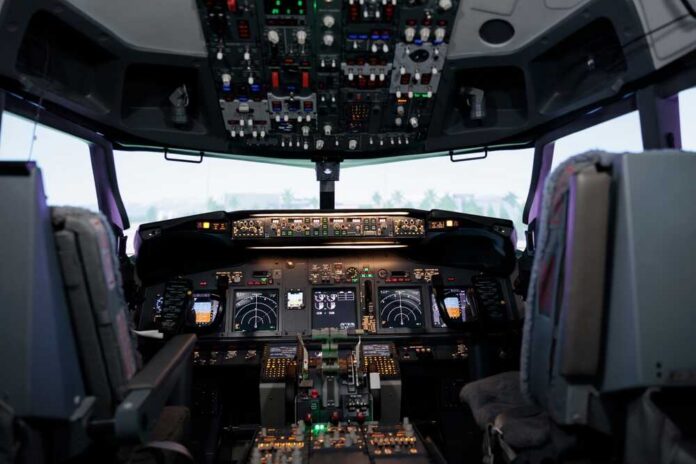
Investigators say the FlyDubai co-pilot mapped out a July hijack-and-crash, then pressed pause when he realized a friend would be on board.
Story Snapshot
- Investigators say the co-pilot planned an earlier July attack but backed off due to a crew acquaintance.
- Officials say he began executing a terrorist plan on a later flight by assaulting the captain in the cockpit.
- Reports attribute to the suspect a claim that he planned the operation even before joining the airline.
- The case spotlights insider threats and cockpit security gaps that demand faster, tighter fixes.
Investigators outline a shelved July plot and a later midair assault
Multiple outlets report investigators say the FlyDubai co-pilot planned to hijack and crash a flight in July but called it off after learning a friend would be on board. Canadian reporting says United Arab Emirates interrogators were told he formed the plan even before employment with the airline. The United Arab Emirates attorney general said the co-pilot later attempted a terrorist act, assaulting the captain mid-flight and trying to take control of the aircraft.
Several reports attribute to the suspect a statement that he sought airline employment to carry out the attack, saying he planned the operation before being accepted by any company. CBS News likewise reported he told interrogators he planned the attack before FlyDubai hired him, according to an Israeli official briefed on the matter. BBC coverage adds he told investigators he had intended to hijack and crash a previous flight to Tel Aviv but stopped because he knew someone on board.
What was attempted in the cockpit, and why it matters
The United Arab Emirates prosecutor general said the co-pilot attacked the captain with a crash axe and tried to seize the controls in a terrorist attack. ABC News reported the attorney general’s statement that the co-pilot began to execute his plan during the flight by assaulting the pilot. These details matter because they show method and intent: get into the cockpit, neutralize the captain, and use the aircraft itself as a weapon. That is the nightmare playbook aviation security exists to stop.
FlyDubai’s early statement warned against premature speculation on motive, which is standard corporate caution during live investigations. That caution does not undercut the core law-enforcement narrative that followed. Prosecutors have since labeled the act a terrorist attempt. Multiple outlets, citing officials, report that planning predated employment, and that a prior attempt was considered and scrapped due to a personal connection onboard. The arc from incident details to prosecutorial framing tracks with past aviation terror cases.
The July plan shows the risk of insiders with keys to the kingdom
This case sits inside a known pattern: an insider with cockpit access tries to turn a routine flight into a guided missile. The public sees this pattern across decades, from the post-1970 hijacking era to the modern focus on crew access and cockpit takeover. The Transportation Security Administration’s advisory committees and toolkits stress that insider threats are unique because trust and access come built in. That means detection must focus on behavior, reporting, and rapid, layered checks.
Motive behind foiled Flydubai hijack plot revealed.
Omani co-pilot Hamam Al Hamami planned to stab his captain mid-air and crash a Flydubai flight into Israel’s Ben Gurion Airport in a 9/11-style attack. During interrogation, he confessed that the motive was 'revenge' over the…
— Republic (@republic) October 7, 2026
Security professionals should treat one detail like a blaring alarm: reports say the suspect sought airline employment with a destructive mission in mind. That profile mirrors past plots where attackers learned to fly to use planes as weapons, not as transport. American conservative common sense says trust must be earned and rechecked. If someone tries to enter a cockpit workforce with hidden intent, employers and regulators need the tools to spot and stop it before the jet leaves the ground.
What should change now: hiring, monitoring, and cockpit resilience
Airlines and regulators should tighten hiring screens for flight deck roles and refresh them over time. Focus on deeper, periodic vetting; peer and manager reporting lines that actually work; and fast suspension protocols when red flags surface. Cockpit procedures should train for insider violence, not just intruders. That means drills for sudden assaults, defensive positioning, and crew coordination to keep at least one qualified pilot in control while others restrain an attacker. Red-team tests should probe every weak seam.
Routes into high-risk airspace also deserve added layers. Pairing policies, jump-seat access rules, and in-flight door management can be tuned for risk without wrecking schedules. The aim is simple: deny a rogue insider time, tools, and solitude. Prosecutors say the accused assaulted the captain with a crash axe. That should trigger a focused review of tool access, storage, and emergency-use only controls. Every second we can shave from an insider’s window is a life saved if a plan turns kinetic.
Sources:
abc.net.au, indiatoday.in, aol.co.uk, bbc.com, abcnews.com, cbc.ca, cbsnews.com, nbcnews.com, france24.com