
President Trump just put a 1% price tag on proven fraud recoveries and invited every American to collect.
Story Snapshot
- Trump announced a fraud tip reward: a 1% commission tied to government recoveries.
- The program targets schemes that steal from U.S. taxpayers and federal programs.
- Reports say anyone, including journalists, can submit tips through a federal portal.
- The White House described a $25 million initiative with Justice Department involvement.
Trump’s Offer: Turn Fraud Tips into Cash
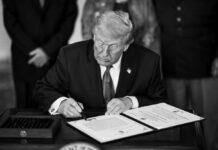
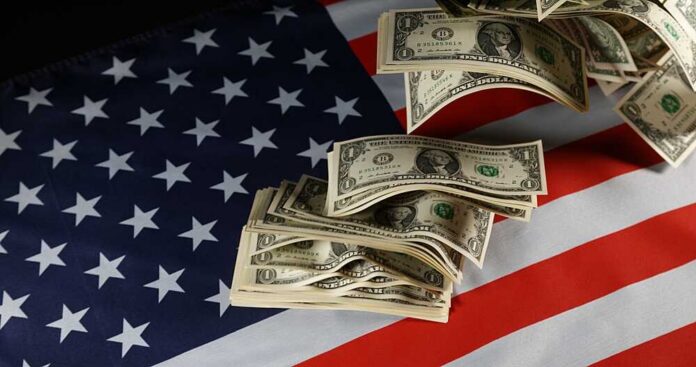
President Trump told the country that whistleblowers who help the government recover stolen taxpayer money will earn a 1% commission. He gave clear examples: expose a $1 billion or $10 billion scheme, and you get a 1% cut of what the government gets back. He said the target is fraud against taxpayers and federally funded programs. He described a simple route: send tips through a government website dedicated to fraud reporting.
The President also widened the tent. He said the door is open to “independent journalists, and everybody, and all Americans” to report cases of theft and corruption. He added that reporters could take part, with their newsrooms’ approval. That stance tries to tap people who hold receipts: workers, contractors, beat reporters, and savvy citizens who see waste up close and can back it up.
The Machine Behind the Promise
Coverage linked the pledge to a formal Fraud Whistleblower Incentive Program. Reports described a $25 million federal initiative with the Department of Justice serving in an administrative role and fraud.gov as the intake site. The framing anchors the tips to crimes that hit federal dollars. It aims to move leads fast toward enforcement, where recoveries can be counted and rewards can be paid from a known program pool.
Early signals show the program is not just talk. The Washington Examiner reported that YouTube creator Nick Shirley stood with Trump at the rollout and received the first payment, a $10,000 award. That moment marked the program’s starting shot and showcased how a lead can convert into a check when officials tie it to government action. A single early payout does not define the whole system, but it demonstrates operational intent.
The 1% Commission Meets Real-World Rules
Published materials do not always match the 1% line. Some descriptions referenced awards “up to $30,000” and tied eligibility to charges, convictions, or major enforcement steps, while Trump emphasized recoveries and said criminal charges were not required. That gap matters. If rewards ride on dollars actually recovered, then the timing, case posture, and collection record will shape how and when people get paid. A brief caveat here: outlets reported both the 1% pitch and a capped structure.
BREAKING: 🇺🇸 President Trump unveils a $25 million Fraud Whistleblower Incentive Program that pays tipsters a 1% commission on fraud they help uncover.
If you report $1 billion worth of fraud, you get $10 million.
Trump says there's no limit on the payout. pic.twitter.com/KRkK4mGOro
— Futures Max (@FuturesMax) October 21, 2026
The President said he would decide who deserves payment and even serve as a binding arbitrator in disputes. That is an unusual layer of personal control for awards tied to public enforcement. From a common-sense, conservative view, results should drive rewards. Clear standards, basic due process, and repeatable math build trust and keep politics out of the ledger. A clean chain from tip to recovery to check is the surest way to scale this idea nationwide.
How This Fits America’s Whistleblower Playbook
The country already pays insiders when they help recover public funds. The False Claims Act lets private citizens sue on the government’s behalf and earn a share of the recovery. Between 1987 and 2005, cases filed by whistleblowers accounted for about $9.6 billion of $15 billion recovered, or roughly 64 percent. That track record shows why a strong incentive can surface hidden fraud that agencies alone might miss.
Other federal models point the same way. The Securities and Exchange Commission’s whistleblower program, created by Congress, pays awards when original tips lead to successful enforcement actions. It has granted large sums to people who helped nail complex securities frauds. These programs thrive when the rules are clear: who qualifies, what counts as “original” information, how awards are calculated, and when the government pays.
What Will Decide Whether It Works
The promise will stand or fall on four simple things. First, tight definitions that say exactly what triggers a reward and when payment happens. Second, a transparent link to recovered dollars, so the public sees that checks follow real wins for taxpayers. Third, even-handed claim review, including when tips overlap or arrive in waves. Fourth, stable funding and a posted formula that match the scale of the offer. When rules are clear, citizens act, and fraud shrinks.
For now, the signal from the Oval Office is direct: spot fraud that raids federal money, document it, report it, and get paid when the government brings the money back. If the administration locks the rules and stays focused on recoveries, Americans will become thousands of extra eyes on the balance sheet. That is how you turn outrage into outcomes—and how taxpayers stop paying the bill for someone else’s scam.
Sources:
cbsnews.com, inquirer.com, washingtonexaminer.com, thegatewaypundit.com, usatoday.com, yahoo.com