
Polish prosecutors moved fast to classify the Kraków mass shooting as a terrorist offense, and that choice now shapes everything that follows.
Story Snapshot
- Prosecutors opened a terrorism investigation after six people were killed in Kraków.
- Police wounded and arrested a 24- or 25-year-old suspect at the scene.
- Officials say the suspect showed far-right fascination and radical views.
- Three relatives found dead at the suspect’s home are part of the same probe.
What Happened In Kraków’s Heart
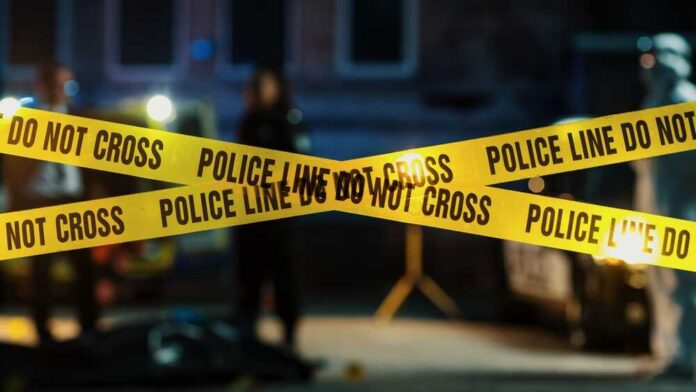
Gunfire tore through Kraków’s Main Market Square, one of Europe’s busiest public spaces. Six people died, and about 15 were hurt as crowds fled and officers closed in. Police shot and arrested the suspect, ending the attack before the toll rose higher. Prosecutors in Kraków then opened an investigation into a terrorist offense tied to the killings and attempted murders, including against police. The early decision set a legal path with higher stakes for motive, intent, and punishment.
Officials described the suspect as a young adult male, either 24 or 25, who fired randomly into the crowd. Reports said he carried “very radical views” and showed fascination with far-right ideology, which prosecutors will test against Polish law on terrorist purposes. Police activity stretched beyond the square. Investigators connected the city attack to a second scene far away, drawing a darker picture that widened through the night.
The Second Crime Scene And A Larger Case
Police found three bodies at a home in Ostrowiec Świętokrzyski. Authorities said the dead were likely the suspect’s parents and sister. Reported ages matched a 53-year-old father, 52-year-old mother, and 21-year-old sister. Prosecutors signaled one coordinated case. They described murder and attempted murder across both locations and said the conduct met the frame of a terrorist offense, while investigators continued to gather evidence. That consolidation matters for how courts will read motive and purpose.
Investigators now face a tight chain of tasks. They must trace the weapons, map the timeline, and connect the two sites. They will examine devices, social media, and writings, looking for signals of intent. They will seek ballistic matches, gunshot residue, and DNA to align scenes, and they will document each injury and death for charging precision. The public frame is clear: prosecutors are treating the entire episode as a terrorist offense from the outset.
Why Prosecutors Used The Terrorism Lens First
Polish criminal law treats a terrorist offense as a regular crime done for a special purpose. That purpose includes terrorizing many people, forcing public authorities, or causing a serious political or economic disruption, with a high penalty ceiling. The definition sits in Article 115 of the Polish Penal Code. In practice, prosecutors may open a terrorism investigation while they work to show which specific purpose applies. Kraków’s team chose that path after a mass killing in a central civic space.
Six people were killed and 15 to 16 wounded in a mass shooting in Krakow, Poland, according to France 24 and CBC. Poland has launched a terrorism investigation. CBC reports that authorities say the 24-year-old suspect, who held far-right views, drove into a busy central square… pic.twitter.com/vqVOOnASxF
— Hemera News (@hemeranews) November 9, 2026
The approach invites a sharper look at ideology and intent. Officials publicly said the suspect held radical far-right views. That claim will meet the legal test of purpose, not just belief. The distinction fits common sense. A murder can be vile and still not be terrorism. A mass shooting can be both, if the shooter aimed to terrify the public or coerce the state. The case will turn on evidence that connects views to purpose, not on labels alone.
What To Watch Next
Expect clarity on weapons, sourcing, and training. Expect updates on digital trails, travel, and any contact with extremist figures. Expect corrections on counts and ages as hospitals and police finalize logs; early reports ranged from 15 to 16 injured and listed the suspect’s age as 24 or 25. One caveat remains standard in such cases: investigators opened a terrorism probe, but a court will decide the final legal outcome. The public record already fixes one fact—the attack shattered Poland’s sense of safety.
Sources:
abcnews.com, afp.com, bbc.com, ksbw.com, klfy.com, abc15.com, itv.com, cbsnews.com, sherloc.unodc.org