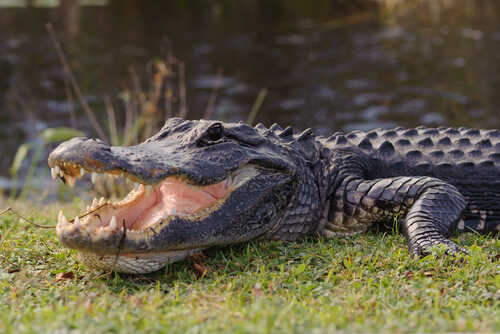
A 15-year-old Florida girl did what most would think impossible: she fought off a 10-foot alligator after being dragged underwater, turning a terrifying brush with death into a jaw-dropping story of grit and survival.
At a Glance
- Summer Hinote, 15, was attacked by a 10-foot alligator while wading in Pond Creek, Okaloosa County, Florida.
- She escaped after repeatedly punching the alligator in the head, with help from her quick-thinking friends.
- Hinote was hospitalized for severe leg injuries but avoided amputation and is recovering at home.
- The attack has reignited debate over alligator safety in Florida and the responsibilities of wildlife officials.
A Florida Teen’s Terrifying Ordeal in the Wild
Summer Hinote and her friends were simply enjoying a summer day in the waters of Pond Creek—like any group of teenagers should be able to do without worrying about apex predators lurking nearby. That’s when her life turned upside down.
Without warning, a 10-foot alligator lunged, grabbed her leg, and dragged her beneath the surface. The beast began violently shaking her—this wasn’t a minor scrape with nature, this was a direct confrontation with one of America’s most dangerous wild animals.
Only the kind of fight-or-flight instinct you hope you’d have in a crisis took over. Summer started punching the alligator in the head, not once, but over and over, refusing to become just another statistic.
Her friends rushed to help, and together, they managed to break her free and get her to safety. If that’s not the definition of courage, what is?
Summer’s mother, Shree Hinote, wasted no time—she rushed her daughter to meet first responders. The teen’s leg was badly injured, but doctors were able to save it.
Summer is now recovering at home, a survivor in every sense of the word. Her story is already being hailed as a testament to determination, quick thinking, and, frankly, something we don’t see enough of these days: real bravery in the face of overwhelming adversity.
Alligator Attacks and Government Responsibility
Florida has always had its share of run-ins between people and the state’s massive alligator population. But as the number of attacks creeps up, especially during mating and nesting season, locals are asking tough questions about whether wildlife agencies are doing enough to protect families and communities.
The Florida Fish and Wildlife Conservation Commission manages alligator populations and issues warnings, but warnings are a small comfort when your kid gets attacked just feet from shore.
The FWC and the Walton County Sheriff’s Office responded quickly in Summer’s case, and trappers were reportedly sent to capture the alligator. Still, the fact remains: these attacks are happening more often, and people are tired of getting the same recycled safety tips after the fact instead of seeing action to keep their communities safe.
Summer’s ordeal has put a spotlight back on the need for more aggressive management of dangerous wildlife in popular swimming spots. Locals and visitors alike are demanding better signage, increased patrols, and more proactive removal of large alligators from recreational areas.
After all, Florida’s families shouldn’t have to play Russian roulette every time they enjoy the outdoors, and parents have a right to expect more than a pat on the back from officials when things go wrong. This isn’t about shutting down natural areas—it’s about protecting citizens first, wildlife second.
A Community Rallies, and a State Looks for Answers
Summer Hinote’s survival has inspired an outpouring of support from her community. People are rallying around her and her family, offering help and expressing outrage that a teenager can barely enjoy a summer swim without ending up on the wrong end of a predator’s jaws.
The incident has also reignited debate over public safety protocols and alligator management in Florida. Some are calling for tougher measures: more frequent trapping, stricter access to high-risk waterways during nesting season, and even legal action to hold agencies accountable if they fail to protect the public.
Some wildlife experts defend the current approach, arguing that attacks are rare and that education is the best tool. But for families like the Hinotes, that’s cold comfort. They want real change, not just another round of public awareness campaigns.
The fact that Summer survived is a miracle, but people shouldn’t have to rely on miracles when it comes to the safety of their children. Florida’s leaders need to listen—loud and clear—and act before the next headline is about a tragedy that could have been prevented.