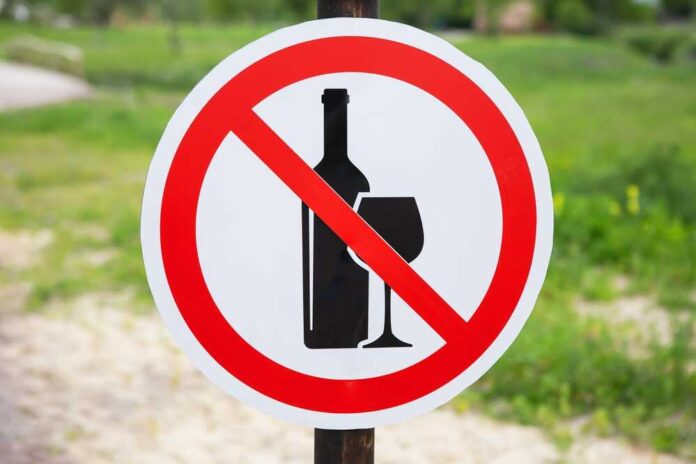
The latest U.S. government guidelines on alcohol consumption have abandoned specific drink limits, sparking debate over public health and industry influence.
Story Highlights
- The 2025–2030 Dietary Guidelines eliminate numeric alcohol limits and advise to “consume less for better health.”
- This marks the first major change in federal alcohol guidelines since 1990.
- The policy shift is seen as a win for the alcohol industry and a setback for public-health advocates.
- The debate centers on the influence of political and industry pressures on scientific recommendations.
Major Policy Shift Raises Questions
In a significant departure from decades of established guidance, the U.S. government has removed explicit numeric limits on daily alcohol consumption in its 2025–2030 Dietary Guidelines for Americans.
The new guidelines, issued by the USDA and HHS, now simply advise Americans to “consume less alcohol for better overall health.” This change has been met with mixed reactions, as it marks the first major modification to federal alcohol advice since 1990.
The decision to eliminate the long-standing numeric benchmarks of “1 drink per day for women and 2 for men” was finalized amid a contentious and politicized review process.
Public-health advocates have expressed concern over what they perceive as leniency that favors industry interests. Meanwhile, the alcohol and wine industries have welcomed the vaguer language as a more flexible, favorable outcome compared to a potential “no safe level” declaration.
Influence of Industry and Politics
The removal of specific drink limits has sparked discussions about the role of political and industry influence in shaping public health policy. Critics argue that the final guidelines reflect the pressures of lobbying and political interference rather than strict adherence to scientific findings.
Reports emphasize that the final wording diverges from some scientific recommendations, such as the “no safe level” stance advocated by the World Health Organization.
These developments have also highlighted the competing scientific reviews that reached opposite conclusions on the health risks associated with low-level alcohol consumption.
The National Academies suggested moderate drinkers may have lower mortality than abstainers, while an ICCPUD panel linked even low alcohol use to increased mortality risk. Such discrepancies have fueled further debate over the guidelines’ integrity.
New federal dietary guidelines announced by the Trump administration on Wednesday include a dramatic change on alcohol consumption. https://t.co/p9ewqSVBvt
— ABC News (@ABC) January 8, 2026
Implications for Public Health and Policy
The absence of clear numeric guidance may lead to greater ambiguity for consumers trying to navigate safe and acceptable drinking levels. Public-health messaging must now bridge the gap between the non-numeric language of the guidelines and more specific risk communication. Health agencies and clinicians face the challenge of conveying the potential risks of alcohol while addressing individual health needs.
While the change may offer a near-term advantage for alcohol producers, who can market moderate consumption as officially acceptable, long-term health outcomes could be affected if consumption patterns do not improve.
The controversy underscores ongoing debates about personal responsibility versus regulatory oversight in U.S. health policy, potentially influencing future discussions on harmonizing domestic guidelines with international standards.
Sources:
Daily Limit for Alcohol Consumption Removed from U.S. Dietary Guidelines
U.S. government shifts its guidelines on alcohol for the first time in decades
Dietary Guidelines for Americans: Alcohol Information
2025-2030 Dietary Guidelines for Americans Published