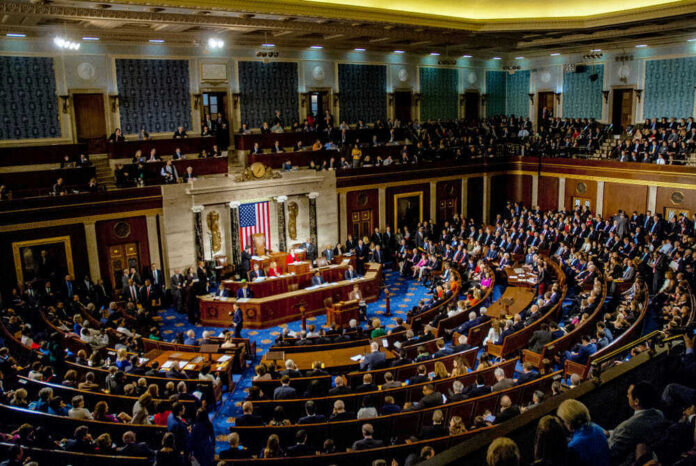
Senate Majority Leader John Thune is steering Congress toward targeted guardrails for the riskiest artificial intelligence, not a heavy federal clampdown.
Story Snapshot
- Thune favors a light-touch, risk-based framework for artificial intelligence rules.
- His past bill focused on transparency and oversight of high-impact systems, not broad controls.
- He has supported debate on a pause of state artificial intelligence enforcement, which divided lawmakers and industry.
- Congress faces pressure to balance innovation with real safety risks in critical uses.
Thune’s North Star: Risk-Based Rules, Not Blanket Bans
John Thune has made his view plain: regulate artificial intelligence based on risk, protect innovation, and avoid sweeping mandates that slow progress. He argued for “light touch” law that sets guardrails where stakes are highest, like systems that make core life, safety, or rights decisions. Thune’s stance aligns with a common policy model that places stronger obligations on high-risk uses while leaving general tools open to compete and improve. That approach appeals to builders and many consumers who want speed and safety.
Senate Majority Leader John Thune said Monday that Congress should address the most serious risks from artificial intelligence with limited regulation that protects innovation and keeps the U.S. competitive with China. MORE: https://t.co/KiZpMhbnVx pic.twitter.com/nbegezTcrh
— NEWSMAX (@NEWSMAX) September 15, 2026
Thune’s earlier bipartisan proposal captured the same idea in plain terms: transparency for consumers and risk-based oversight of high-impact applications. His press materials said the bill would bolster United States leadership in artificial intelligence and create common-sense safety and security guardrails for the highest-risk systems. He also framed disclosure as a core duty for large providers, so people know when artificial intelligence shapes their choices and can weigh those outcomes. The theme is simple: sunlight and proportionate checks.
Why This Model Fits America’s Innovation Engine
Risk-based governance has become a go-to strategy because it directs attention to real harms without burying the entire field in red tape. Legal scholars describe it as a way to calibrate duties to the severity of potential damage and the likelihood of harm. In practice, that means tighter controls on artificial intelligence used in medicine, finance, or critical infrastructure, and lighter rules for lower-stakes tools. This model guards people and property while letting honest competitors move fast and serve customers.
Thune’s emphasis on transparency matters because it turns black boxes into informed choices. When people know an artificial intelligence tool helped pick a loan rate, screen a résumé, or suggest a diagnosis, they can ask smarter questions and demand fair treatment. That is common sense and consistent with conservative values: empower the buyer, keep the process open, and put real accountability on those who build high-impact systems. Clear labels and audit trails also reward responsible firms and deter sloppy practices.
The State Moratorium Fight Shows the Federalism Tension
Thune has entertained a pause on state and local enforcement of artificial intelligence rules as part of larger talks, while noting the Senate’s rules could shape the outcome. Trade groups pushed for this to prevent a patchwork of fifty different compliance regimes that could kneecap startups and multistate rollouts. Supporters say a temporary timeout can buy Congress room to pass one national standard that is tough where it must be and predictable everywhere. That argument resonates with businesses planning products years ahead.
🔴 Thune pushes Congress role on AI; Trump insists he alone should regulate
Senate Majority Leader John Thune (R-S.D.) said Congress has responsibility to act on AI regulation, backing a "light touch" with "guardrails" for frontier models. He is working with Commerce Chair Ted… pic.twitter.com/NqJ2uwE14E
— NewsTongue (@NewsTongueX) September 15, 2026
Opponents warned a long moratorium would freeze state protections without a firm federal replacement, leaving gaps in consumer safeguards and civil rights enforcement. That concern explains why the idea turned into a high-friction flashpoint. The governing test should be straightforward: if Congress wants one fair set of rules, write them with teeth for high-risk uses, deliver national clarity on transparency, and preempt only where the federal standard is real and enforceable. Anything less invites backlash and confusion.
What Comes Next For Congress
Thune signaled that timing remains uncertain for a large bipartisan package, but the committee process is active. The route most likely to pass starts with durable basics: define high-impact systems, set clear transparency duties, require risk management for those systems, and enforce with audits and penalties when needed. Keep lower-risk artificial intelligence free to improve at market speed. That blueprint puts safety first where it counts, avoids panic lawmaking, and guards the country’s lead in a field that rewards speed and trust.
Sources:
thune.senate.gov, thehill.com, cta.tech, axios.com, matsui.house.gov, politico.com, washingtontimes.com, papers.ssrn.com, arxiv.org