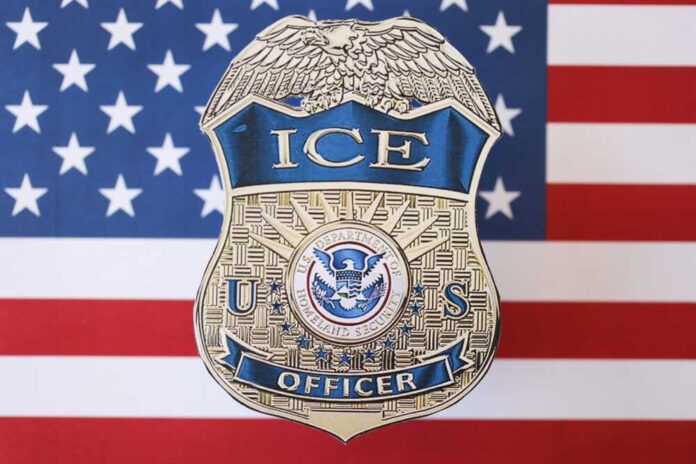
President Trump is making a major leadership change in his immigration enforcement strategy, pulling Border Patrol Chief Greg Bovino out of Minneapolis following fatal shootings and replacing him with former ICE Director Tom Homan in a shift that signals a retreat from aggressive confrontational tactics.
Story Snapshot
- Border Patrol Chief Greg Bovino and federal agents began departing Minnesota on January 27, 2026, after the fatal shootings of two residents during enforcement operations
- President Trump announced the deployment of former ICE Director Tom Homan to Minneapolis following productive talks with Governor Tim Walz and Mayor Jacob Frey
- The leadership reshuffle marks a pivot from Bovino’s aggressive “turn and burn” urban raid tactics toward a more collaborative approach with state officials
- Governor Walz revealed Minnesota’s existing cooperation with ICE protocols, surprising Trump and influencing the decision to scale back confrontational enforcement
Leadership Reshuffle Follows Fatal Shootings
Border Patrol Chief Greg Bovino and several federal agents departed Minnesota starting Tuesday, January 27, 2026, marking a significant tactical shift in President Trump’s immigration enforcement. The withdrawal follows the fatal shootings of Minnesota residents Renee Good and Alex Pretti by federal authorities during recent operations.
Trump announced the deployment of former ICE Director Tom Homan to replace Bovino’s operation, with Homan reporting directly to the President. This represents a departure from Bovino’s high-profile, confrontational style that characterized urban immigration raids since Trump’s 2025 inauguration.
Bovino’s Aggressive Enforcement Pattern Draws Scrutiny
Greg Bovino emerged as the public face of Trump’s mass deportation efforts, implementing aggressive “turn and burn” tactics across major cities. Starting as Border Patrol Commander-at-Large in Los Angeles, Bovino led operations in Chicago with helicopter raids in October 2025, Charlotte in November 2025, and New Orleans before arriving in Minneapolis in January 2026.
His approach emphasized rapid arrests designed to outpace protesters, contrasting sharply with ICE’s traditionally targeted methods. Bovino’s confrontational style included public altercations with protesters and spotlight-seeking behavior in tactical gear, raising concerns about effectiveness versus spectacle in law enforcement operations.
Trump and Walz Find Common Ground on Immigration Protocols
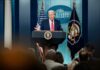
Monday’s phone conversation between President Trump and Governor Tim Walz proved pivotal in reshaping federal-state dynamics on immigration enforcement. Walz described the discussion as productive, noting Trump’s surprise upon learning Minnesota already notifies ICE about undocumented detainees despite the heightened federal presence.
Trump posted on Truth Social that he and Walz were “on the same page” regarding targeting criminals. Mayor Jacob Frey confirmed agents would begin leaving the following day. This dialogue revealed assumptions of federal overreach that proved unfounded, providing both sides an opportunity to reset their approach.
Border Patrol commander Gregory Bovino is expected to leave Minneapolis on Tuesday, according a person familiar with the matter, as the Trump administration reshuffles leadership of its immigration enforcement operation and scales back the federal… https://t.co/BKBDQ6B9dc
— The Washington Times (@WashTimes) January 27, 2026
The leadership change addresses legitimate concerns about enforcement methods that unnecessarily escalated tensions while Minnesota was already cooperating with federal immigration authorities. Walz advocated for an independent investigation into the fatal shootings, and Trump’s decision to bring in Homan suggests prioritizing results over theatrical confrontations.
White House Press Secretary Karoline Leavitt clarified Trump did not label shooting victim Alex Pretti a “domestic terrorist,” despite reports attributing such language to administration aides. House Speaker Demuth characterized Homan’s deployment as a “reset” opportunity for more effective collaboration.
Strategic Implications for National Immigration Enforcement
The Minneapolis withdrawal signals potential broader implications for Trump’s immigration strategy nationwide. Bovino’s pattern of urban raids in Los Angeles, Chicago, Charlotte, New Orleans, and Minneapolis established a confrontational precedent that generated protests and escalated tensions without necessarily improving deportation efficiency.
Homan’s appointment suggests a shift toward targeted enforcement over spectacle-driven operations. For law-abiding Americans, this tactical adjustment maintains border security priorities while reducing unnecessary federal-state friction.
The change demonstrates Trump’s willingness to adapt enforcement methods when local officials demonstrate genuine cooperation, addressing conservative concerns about both border security and proper federal-state balance.
Minnesota’s immigrant communities face continued scrutiny but may experience temporary relief from aggressive raid tactics. The leadership transition preserves immigration enforcement objectives while acknowledging that cooperative approaches with compliant state authorities can achieve security goals without the confrontational theatrics that characterized Bovino’s operations.
This pragmatic adjustment reflects Trump’s focus on effective deportation of criminals rather than publicity-generating operations that risk innocent lives and inflame unnecessary conflicts with state officials already working within federal immigration frameworks.
Sources:
Border Patrol head Bovino and some agents leaving Minnesota